Introduction
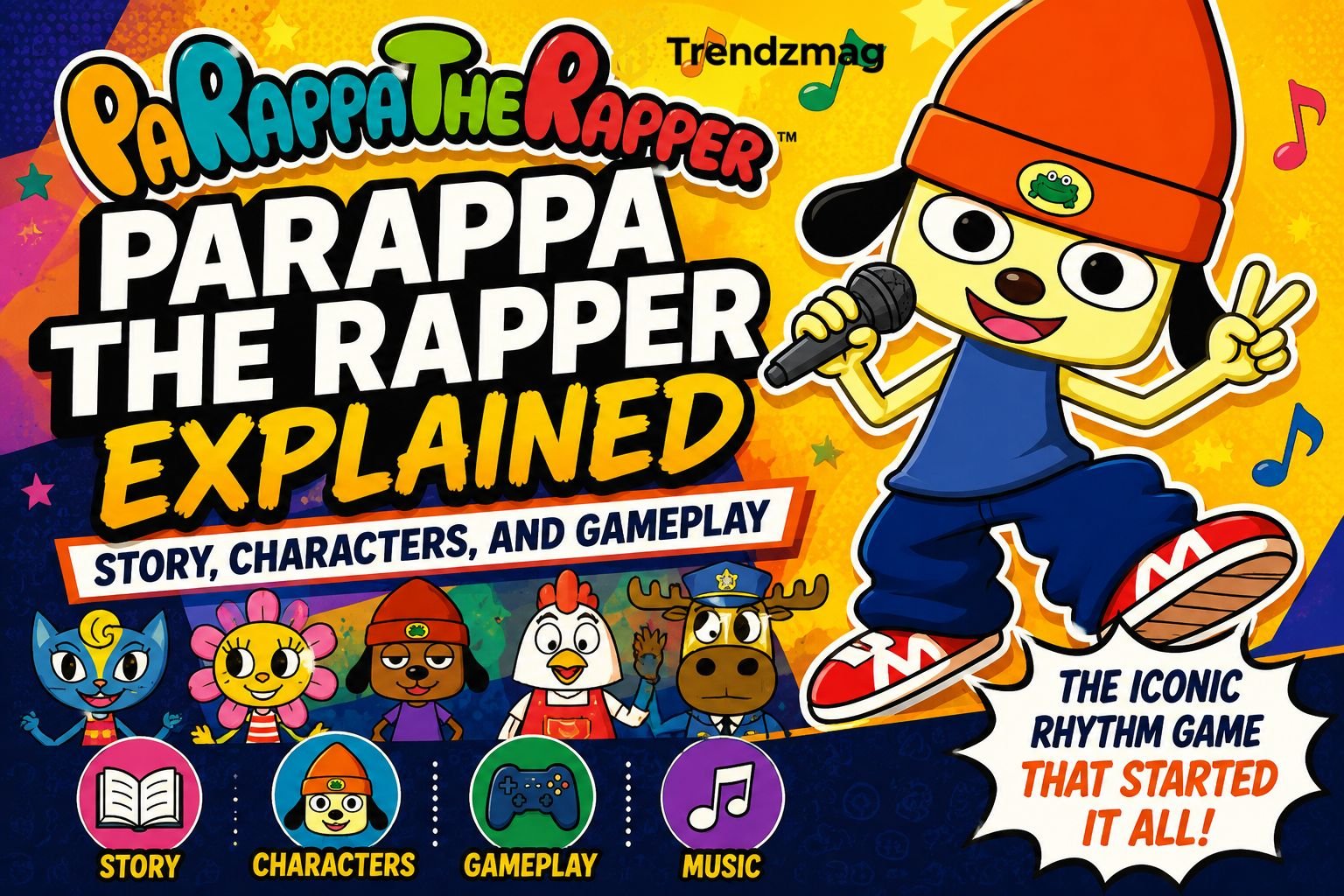
Few video games have left a lasting impression on the rhythm genre quite like Parappa the Rapper. Released during the early days of the original PlayStation, the game introduced players to a colorful world where music, timing, and storytelling came together in a way that had never been seen before. While modern rhythm games often feature realistic graphics and licensed music, Parappa the Rapper built its reputation through creativity, memorable characters, catchy original songs, and a charming paper-cutout visual style.
Created by Japanese game designer Masaya Matsuura with artwork by Rodney Greenblat, the game became one of Sony’s earliest iconic titles. It proved that music games could appeal to players of all ages while offering a unique gameplay experience that rewarded rhythm rather than traditional action or adventure skills.
Even decades after its release, Parappa the Rapper continues to be remembered as a groundbreaking PlayStation classic. Whether you are discovering the game for the first time or revisiting it out of nostalgia, understanding its story, memorable cast, and innovative gameplay helps explain why it still holds a special place in gaming history.
BIO
| Label | Information |
|---|---|
| Title | Parappa the Rapper |
| Type | Rhythm video game |
| Genre | Music / Rhythm |
| Developer | NanaOn-Sha |
| Publisher | Sony Computer Entertainment |
| Original Release | 1996 (Japan) |
| Main Character | Parappa |
| Main Goal | Complete rap challenges and build confidence |
| Gameplay | Rhythm-based button timing |
| Art Style | 2D paper-cutout characters in 3D environments |
| Platforms | PlayStation, PSP, PlayStation 4 Remastered |
| Legacy | One of the first influential rhythm games |
What Is Parappa the Rapper?
Parappa the Rapper is a rhythm-based video game first released for the original PlayStation in 1996 in Japan before reaching North America and Europe in 1997. Developed by NanaOn-Sha and published by Sony Computer Entertainment, it is widely recognized as one of the first rhythm games to achieve international success.
Unlike traditional games that focus on combat or exploration, players progress by following musical beats and pressing controller buttons in time with rap lyrics. Every stage introduces a new instructor who teaches Parappa an important life lesson through music.
The game’s art style immediately stood out from other PlayStation titles. Characters appear as flat, colorful paper-like illustrations placed within three-dimensional environments, creating a distinctive visual identity that remains recognizable today.
Beyond its artistic style, the game became famous for its positive message. Confidence, determination, kindness, and believing in yourself are recurring themes throughout Parappa’s adventure.
The Story of Parappa the Rapper
At the heart of Parappa the Rapper is a simple yet heartfelt story about confidence and personal growth.
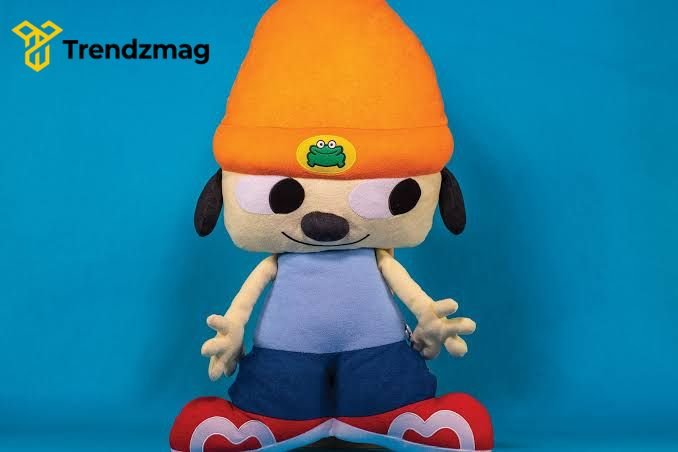
The main character, Parappa, is an energetic young dog who has a crush on a flower-like girl named Sunny Funny. Although Parappa deeply admires her, he struggles with self-confidence and often feels overshadowed by his rival, Joe Chin.
Throughout the game, Parappa decides to improve himself in hopes of winning Sunny Funny’s affection. Rather than becoming stronger through fighting or collecting powerful items, he learns valuable life skills from a series of unusual teachers.
His journey includes:
- Learning karate for confidence.
- Taking driving lessons.
- Shopping wisely.
- Cooking a cake.
- Completing military-style training.
- Performing an unforgettable live rap performance.
Each lesson represents another step in Parappa’s emotional growth rather than simply advancing the game’s levels.
One of the game’s most memorable messages is repeated throughout every challenge:
“I gotta believe!”
This phrase perfectly captures the game’s central theme. Success comes from believing in yourself, practicing, and never giving up after failure.
Although the story remains lighthearted and humorous, it delivers meaningful lessons that continue to resonate with players years later.
Meet the Main Characters
Parappa
Parappa is the cheerful hero of the game. Despite his shy personality, he constantly works to improve himself. His determination and optimistic attitude make him one of PlayStation’s most recognizable mascots.
His signature orange beanie, blue shirt, and confident smile have become iconic among gaming fans.
Sunny Funny
Sunny Funny is Parappa’s love interest and one of the kindest characters in the game. She appreciates honesty and positivity rather than wealth or popularity.
Her presence motivates Parappa to become a better version of himself throughout the story.
PJ Berri
PJ Berri is Parappa’s loyal best friend. Calm, supportive, and humorous, PJ often provides comic relief while encouraging Parappa during difficult moments.
His relaxed personality contrasts nicely with Parappa’s energetic enthusiasm.
Katy Kat
Katy Kat is one of Sunny Funny’s closest friends. She is fashionable, confident, and outgoing, adding extra personality to the game’s colorful cast.
Joe Chin
Joe Chin serves as Parappa’s friendly rival. He is wealthier, more confident, and tries to impress Sunny Funny with expensive possessions.
Although Joe appears competitive, the game presents him more as comic relief than as a true villain.
Chop Chop Master Onion
The first instructor players meet is Chop Chop Master Onion.
This wise martial arts teacher introduces Parappa to rhythm-based gameplay through karate training. His energetic rap and unforgettable phrases remain among the most famous moments in the game.
For many players, this opening lesson immediately demonstrated how unique the gameplay would be.
Instructor Mooselini
Instructor Mooselini teaches Parappa how to drive.
She demands concentration, patience, and perfect timing while delivering one of the game’s catchiest musical performances.
Although the lesson appears simple, many players remember it as one of the game’s biggest challenges.
Prince Fleaswallow
Prince Fleaswallow owns a busy flea market where Parappa learns shopping skills.
His upbeat personality and humorous lyrics encourage players to think carefully before spending money.
The stage combines rhythm gameplay with entertaining storytelling that perfectly fits the game’s playful tone.
Cheap Cheap the Cooking Chicken
Perhaps the game’s most famous instructor, Cheap Cheap the Cooking Chicken teaches Parappa how to bake a cake.
Her exaggerated cooking instructions and humorous rap have become legendary among longtime fans.
This level remains one of the most quoted sections in the entire game.
Colonel Noodle
Colonel Noodle introduces military-style discipline while maintaining the game’s lighthearted atmosphere.
Players must carefully follow increasingly difficult rhythm patterns as Parappa learns teamwork, focus, and determination.
MC King Kong Mushi
The final challenge features MC King Kong Mushi.
Instead of simply repeating learned patterns, players are encouraged to demonstrate creativity and confidence during the final rap performance.
This exciting conclusion rewards everything players have learned throughout the adventure.
Gameplay Explained
The gameplay of Parappa the Rapper is built around rhythm, timing, and musical memory.
Each stage begins with an instructor performing a rap sequence. Players then repeat the rhythm by pressing combinations of PlayStation controller buttons in time with the music.
Unlike many modern rhythm games, success depends not only on accuracy but also on maintaining rhythm throughout the entire performance.
Every lesson gradually becomes more challenging, introducing faster beats and more complex button combinations.
The game measures player performance using a ranking system that includes:
- Cool
- Good
- Bad
- Awful
Remaining in the Good category allows the song to continue normally.
Excellent performances can raise players into the Cool ranking, where they gain the freedom to improvise their own rhythmic patterns. This feature was revolutionary for its time because it rewarded creativity rather than strict memorization.
On the other hand, repeated mistakes lower the performance to Bad or Awful, forcing players to recover quickly or restart the stage.
Although each level lasts only a few minutes, mastering every song requires patience and practice. Because of this balance between accessibility and challenge, the game appeals to both casual players and dedicated rhythm game enthusiasts.
Another reason the gameplay remains enjoyable is its replay value. Many fans revisit stages repeatedly to earn higher rankings, unlock freestyle performances, and perfect difficult songs.
Combined with memorable music, expressive animation, and humorous dialogue, the rhythm mechanics continue to feel surprisingly engaging even by modern standards.
Every Stage in Parappa the Rapper
Each stage in Parappa the Rapper introduces a new lesson, a memorable song, and a unique character. Rather than feeling repetitive, every level offers a fresh setting and a different challenge, making the game enjoyable from beginning to end.
Stage 1 – Chop Chop Master Onion
The adventure begins with karate training under Chop Chop Master Onion. This opening level teaches the basic rhythm mechanics while introducing players to the game’s upbeat style. The lesson focuses on confidence, discipline, and believing in yourself before moving on to more difficult challenges.
Stage 2 – Instructor Mooselini
Parappa decides to learn how to drive in hopes of impressing Sunny Funny. Instructor Mooselini guides him through traffic rules and safe driving with a fast-paced rap that requires accurate timing. Many players remember this level as one of the first major tests of their rhythm skills.
Stage 3 – Prince Fleaswallow
In this stage, Parappa visits a lively flea market where Prince Fleaswallow teaches him how to shop wisely. The colorful setting and playful lyrics create one of the game’s most entertaining musical performances while reminding players that smart choices matter.
Stage 4 – Cheap Cheap the Cooking Chicken
Preparing a birthday cake becomes the focus of the fourth stage. Cheap Cheap the Cooking Chicken delivers humorous cooking instructions through a catchy rap that has become one of the most recognizable songs in gaming history. Despite its cheerful tone, the rhythm patterns become more demanding, requiring players to stay focused from start to finish.
Stage 5 – Colonel Noodle
Colonel Noodle’s military training introduces faster rhythms and more complex button combinations. Players must carefully follow orders while maintaining perfect timing. This level emphasizes discipline, teamwork, and perseverance, matching Parappa’s personal growth throughout the story.
Stage 6 – MC King Kong Mushi
The final performance brings together everything players have learned. MC King Kong Mushi encourages Parappa to express himself through freestyle rapping, rewarding confidence and creativity. It is a memorable conclusion that celebrates the game’s central message of believing in yourself.
What Makes Parappa the Rapper So Unique?
Many rhythm games have appeared since the late 1990s, but Parappa the Rapper continues to stand apart because of its originality.
The first feature that catches players’ attention is its paper-thin visual design. Rodney Greenblat’s artwork gives every character a playful appearance that feels like a children’s storybook brought to life inside a three-dimensional world. Even today, the style remains instantly recognizable.
Another defining feature is the game’s original soundtrack. Rather than using licensed songs, every level includes custom-written rap performances that perfectly match each instructor’s personality. These songs are humorous, memorable, and designed to teach gameplay mechanics while entertaining the player.
The game’s positive tone also sets it apart. There are no dark themes or complex conflicts. Instead, players experience a cheerful journey built around friendship, confidence, and self-improvement. This universal message has helped the game appeal to audiences of different ages for nearly three decades.
The Music That Defined a Generation
Music is the heart of Parappa the Rapper. Every lesson features a unique rap song with memorable lyrics and energetic performances. Because players actively participate in the songs instead of simply listening, the soundtrack becomes an essential part of the gameplay experience.
Many fans can still recall lines from songs like Chop Chop Master Onion’s karate lesson or Cheap Cheap the Cooking Chicken’s cooking instructions years after playing the game. These tracks remain some of the most recognizable pieces of music from the original PlayStation era.
The voice acting also deserves recognition. Each instructor has a distinct vocal style that reflects their personality, making every lesson feel fresh and entertaining. Combined with expressive animation, the performances give the characters lasting charm.
Platforms and Versions
Since its original release, Parappa the Rapper has been made available on several PlayStation platforms, allowing new generations of players to enjoy the classic.
The game first launched for the original PlayStation in 1996 before reaching international audiences the following year. Its success helped establish rhythm games as a popular genre.
A portable version later appeared on the PlayStation Portable (PSP), bringing the adventure to handheld gaming.
To celebrate the game’s legacy, Sony also released Parappa the Rapper Remastered for the PlayStation 4. The remastered edition features improved visuals while preserving the original gameplay, music, and charm that fans remember.
These re-releases have ensured that the game remains accessible long after its original debut.
Tips for New Players
Although Parappa the Rapper is easy to understand, mastering its rhythm takes practice. New players can improve their performance by following a few simple strategies.
First, pay close attention to the instructor’s rhythm before responding. Listening carefully often matters more than watching the screen.
Second, focus on timing instead of pressing buttons as quickly as possible. Maintaining a steady rhythm usually produces better results than rushing through the sequence.
Practicing difficult stages repeatedly is also important. Since each lesson follows consistent musical patterns, repetition helps players recognize the rhythm more naturally.
Finally, don’t become discouraged by mistakes. The game’s famous message, “I gotta believe,” reflects the importance of persistence. Every failed attempt becomes an opportunity to improve.
Why Parappa the Rapper Became a Gaming Icon
The influence of Parappa the Rapper extends far beyond its own success. It demonstrated that rhythm-based gameplay could support a complete video game experience and inspired countless developers to explore the genre.
Later titles such as Bust a Groove, Guitar Hero, Rock Band, Elite Beat Agents, and Rhythm Heaven built upon ideas that Parappa helped introduce to mainstream audiences.
The game’s charming characters also contributed to its popularity. Parappa became one of Sony’s early mascot characters, appearing in sequels, merchandise, and even an animated television series.
Its blend of music, humor, and accessible gameplay continues to make it one of the defining games of the original PlayStation library.
Interesting Facts About Parappa the Rapper
Several fascinating facts make Parappa the Rapper even more interesting for longtime fans.
The game was created by musician and game designer Masaya Matsuura, who wanted to combine music with interactive gameplay in a completely new way.
Artist Rodney Greenblat developed the game’s distinctive paper-style character designs, giving the title an artistic identity unlike any other PlayStation game.
Following the success of the original game, Parappa appeared in the sequel Parappa the Rapper 2, released for the PlayStation 2.
The franchise also inspired the anime series Parappa the Rapper, introducing the characters to a wider audience outside the gaming community.
Today, the game is frequently included on lists of the greatest PlayStation titles ever made and remains an important milestone in the history of rhythm games.
Is Parappa the Rapper Still Worth Playing Today?
Despite its age, Parappa the Rapper continues to offer an enjoyable experience for modern players.
Its visuals remain charming because they rely on artistic creativity rather than realistic graphics. The original soundtrack is still catchy, and the simple controls make it easy for newcomers to begin playing within minutes.
Some players may notice that the timing system feels less forgiving than in modern rhythm games. However, this challenge becomes part of the experience, rewarding patience and practice.
Whether you are a longtime PlayStation fan or someone interested in the history of video games, Parappa the Rapper remains well worth playing. It represents an important chapter in gaming history while delivering genuine fun that has stood the test of time.
Frequently Asked Questions
What is Parappa the Rapper about?
The game follows Parappa, a young dog who learns life skills through rap lessons as he tries to become more confident and impress Sunny Funny.
Who created Parappa the Rapper?
The game was created by musician and game designer Masaya Matsuura, with artwork by Rodney Greenblat, and developed by NanaOn-Sha.
How many stages are in Parappa the Rapper?
The main story consists of six rhythm-based stages, each featuring a different instructor, song, and gameplay challenge.
Can you play Parappa the Rapper on modern consoles?
Yes. The remastered version is available for the PlayStation 4, allowing modern players to experience the classic with updated visuals.
Why is Parappa the Rapper considered a classic?
It pioneered rhythm-based gameplay, introduced memorable characters and music, and influenced many successful rhythm games that followed.
Conclusion
More than twenty-five years after its debut, Parappa the Rapper remains one of the most creative and influential games ever released on the original PlayStation. Its unforgettable music, imaginative visual style, lovable characters, and encouraging message have helped it earn a lasting place in gaming history.
While technology has advanced dramatically since the game’s release, its core ideas continue to feel fresh. The simple belief that confidence, determination, and practice lead to success resonates just as strongly today as it did in the 1990s.
For players interested in classic PlayStation games, rhythm gaming, or the evolution of interactive music experiences, Parappa the Rapper is more than just a nostalgic favorite. It is a landmark title that changed the industry, inspired future developers, and continues to entertain new generations with its timeless charm and unforgettable slogan: