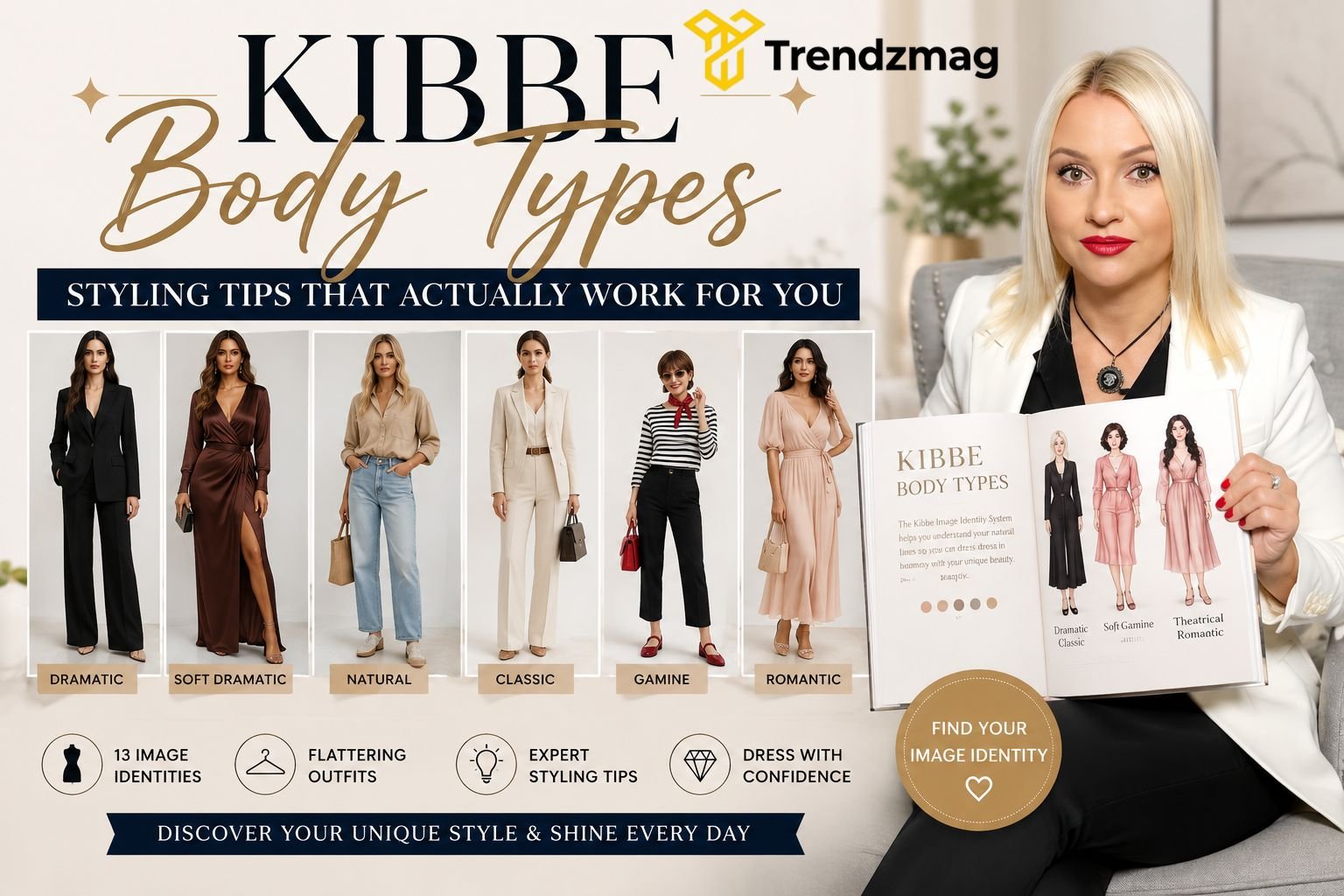
Fashion trends come and go, but personal style lasts much longer when it complements your natural features. One styling system that has remained popular for decades is the Kibbe Body Types method. Unlike traditional body shape guides that focus only on measurements, the Kibbe system looks at your overall appearance, including your bone structure, body lines, facial features, and the balance between softness and sharpness.
Created by image consultant David Kibbe in the 1980s, this approach encourages people to dress in harmony with their natural characteristics rather than trying to change or hide them. The goal isn’t to fit into an ideal body type—it’s to discover what already makes you unique and enhance it through clothing, accessories, hairstyles, and overall styling.
If you’ve ever felt frustrated because an outfit looked amazing on someone else but not on you, understanding Kibbe body types may provide the missing piece. This guide explains the system in simple language and offers practical styling advice that you can actually apply to your wardrobe.
BIO
| Label | Information |
|---|---|
| Topic | Kibbe Body Types |
| Created By | David Kibbe |
| Introduced | 1987 |
| System Type | Personal style and image identity system |
| Main Purpose | Help people dress according to their natural features |
| Core Concept | Balance of Yin (softness) and Yang (sharpness) |
| Number of Types | 13 Image Identities |
| Focus Areas | Bone structure, body lines, and overall balance |
| Not Based On | Body measurements or clothing size alone |
| Best For | Building a flattering and confident wardrobe |
| Key Benefit | Creates balanced, natural-looking outfits |
| Ideal Audience | Anyone interested in personal style and fashion |
What Are Kibbe Body Types?
The Kibbe Body Type system is often called an Image Identity System rather than a body classification method. Instead of placing people into categories based only on their waist, hips, or shoulders, it evaluates the complete visual impression they create.
David Kibbe introduced this concept in his book Metamorphosis in 1987. His philosophy is that every person possesses a natural combination of Yin and Yang characteristics. Yin represents softness, delicacy, and rounded features, while Yang represents sharpness, length, and angularity. Every Image Identity is simply a different balance of these qualities.
Unlike many fashion rules that encourage people to disguise perceived flaws, the Kibbe system recommends celebrating your natural lines. When your clothing echoes your body’s structure, your appearance feels balanced and effortless.
This is one reason why the Kibbe method continues to attract fashion enthusiasts, stylists, and everyday shoppers around the world.
How Kibbe Differs from Traditional Body Shape Systems
Many people confuse Kibbe body types with body shapes like apple, pear, rectangle, or hourglass. Although both systems help people choose clothing, they work very differently.
Traditional body shape guides mainly focus on body proportions. They measure shoulder width, waist size, and hip measurements to determine which styles create visual balance.
The Kibbe system goes much deeper.
It considers:
- Bone structure
- Height
- Vertical line
- Shoulder shape
- Hands and feet
- Facial features
- Body flesh
- Overall impression
For example, two women with the same hourglass figure could belong to completely different Kibbe Image Identities because one has long angular bones while the other has soft rounded features.
This broader perspective makes the Kibbe method more personalized than many traditional styling systems.
Understanding Yin and Yang
Before exploring the different Kibbe body types, it’s important to understand the foundation of the system.
Yin Characteristics
Yin represents softness and femininity.
Typical Yin features include:
- Rounded shoulders
- Curved body lines
- Soft facial features
- Large eyes
- Small hands
- Delicate bone structure
- Gentle appearance
People with strong Yin qualities often look best in flowing fabrics, curved silhouettes, and elegant details.
Yang Characteristics
Yang represents strength, length, and sharpness.
Common Yang features include:
- Long limbs
- Angular shoulders
- Sharp jawline
- Tall appearance
- Prominent bone structure
- Straight body lines
- Bold presence
People with Yang dominance often shine in structured clothing, clean tailoring, and bold silhouettes.
Most People Are a Blend
One of the biggest misconceptions is believing someone must be entirely Yin or entirely Yang.
Very few people fit either extreme.
Most Image Identities combine both characteristics in different proportions, creating thirteen unique Kibbe body types.
Understanding your personal balance helps explain why certain clothing naturally feels more flattering than others.
The 13 Kibbe Body Types Explained
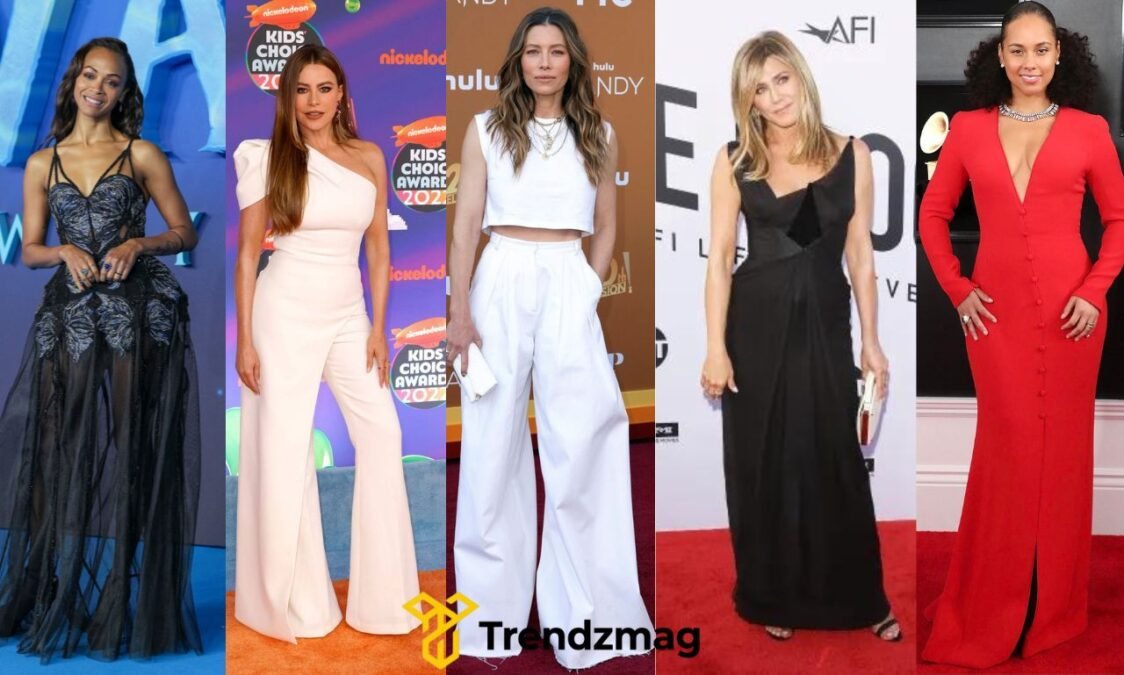
Each Image Identity has its own styling recommendations. None is better than another, and every type has its own strengths.
Dramatic
The Dramatic Image Identity is dominated by Yang energy.
People in this category are usually tall with long vertical lines, narrow frames, and angular features. Their appearance naturally feels striking and elegant.
The best clothing emphasizes clean lines and sharp tailoring.
Recommended styles include:
- Long coats
- Straight trousers
- Structured blazers
- Sleek dresses
- Minimal accessories
- Monochromatic outfits
Heavy draping or overly soft fabrics often compete with their natural structure.
Soft Dramatic
Soft Dramatic combines dramatic bone structure with noticeable softness and curves.
These individuals often appear glamorous without trying.
Styling works best when structured garments include flowing fabrics or waist emphasis.
Ideal wardrobe pieces include:
- Wrap dresses
- Long skirts
- Luxurious fabrics
- Statement jewelry
- Wide necklines
- Elegant evening wear
Their natural presence pairs beautifully with rich textures and bold details.
Flamboyant Natural
Flamboyant Naturals have broad shoulders, long limbs, and a relaxed appearance.
Their style feels effortless rather than overly polished.
Loose silhouettes, textured fabrics, and comfortable layering complement their frame.
Excellent clothing choices include:
- Oversized sweaters
- Relaxed blazers
- Linen shirts
- Wide-leg pants
- Casual jackets
- Maxi dresses
This Image Identity looks best when clothing feels easy rather than restrictive.
Natural
Natural body types have balanced width and moderate height.
Their appearance is approachable, athletic, and relaxed.
Simple clothing often looks better than highly tailored fashion.
Recommended wardrobe choices include:
- Soft denim
- Cotton shirts
- Relaxed dresses
- Comfortable trousers
- Knitwear
- Leather jackets
Natural fabrics help maintain their effortless style.
Soft Natural
Soft Naturals combine width with gentle curves.
Their beauty appears warm, relaxed, and approachable.
They often look best in clothing that softly follows the body without becoming tight.
Great wardrobe options include:
- Soft wrap tops
- Peasant blouses
- Flowy skirts
- Curved necklines
- Lightweight cardigans
- Relaxed jeans
Gentle draping enhances their natural elegance.
Dramatic Classic
Dramatic Classics are balanced but slightly sharper than the Classic family.
They appear polished and sophisticated.
Tailored clothing with crisp lines complements their appearance.
Ideal pieces include:
- Structured blazers
- Pencil skirts
- Straight trousers
- Button-down shirts
- Minimal jewelry
- Elegant handbags
Symmetry is the key to successful styling.
Classic
The Classic Image Identity represents perfect balance.
Neither strongly Yin nor strongly Yang dominates their appearance.
Their best wardrobe consists of timeless pieces that never feel overly trendy.
Recommended clothing includes:
- Tailored dresses
- Straight-leg trousers
- Neutral colors
- Fine-knit sweaters
- Medium-scale prints
- Structured handbags
Classic fashion values quality over excess.
Soft Classic
Soft Classics blend balance with delicate Yin softness.
Their style naturally feels graceful and refined.
Gentle tailoring creates the most flattering silhouette.
Excellent wardrobe options include:
- Soft blouses
- A-line skirts
- Elegant dresses
- Light cashmere
- Pearl jewelry
- Rounded handbags
Small feminine details enhance their overall harmony.
Flamboyant Gamine
Flamboyant Gamines combine youthful energy with sharp features.
Their appearance feels lively and expressive.
Bold fashion choices often suit them surprisingly well.
Popular styling choices include:
- Cropped jackets
- Layered outfits
- Graphic prints
- Color blocking
- Short skirts
- Statement accessories
Their playful personality shines through fashion.
Gamine
Gamines appear compact, energetic, and balanced between Yin and Yang.
They look fantastic in youthful silhouettes that include interesting details.
Recommended clothing includes:
- Cropped pants
- Short jackets
- Small prints
- Contrast colors
- Structured tops
- Playful accessories
Their wardrobe benefits from variety rather than simplicity.
Soft Gamine
Soft Gamines combine youthful energy with noticeable softness.
Their appearance often feels charming and feminine.
Clothing that defines the waist while maintaining playful details works especially well.
Ideal wardrobe pieces include:
- Fit-and-flare dresses
- Puff sleeves
- Soft skirts
- Rounded collars
- Delicate jewelry
- Patterned fabrics
Curved shapes help maintain visual harmony.
Theatrical Romantic
Theatrical Romantics possess soft curves enhanced by slight sharpness.
Their style naturally leans toward glamour.
Luxurious fabrics and elegant silhouettes suit them beautifully.
Excellent choices include:
- Velvet dresses
- Lace details
- Draped tops
- Decorative jewelry
- Fitted evening wear
- Soft heels
Refined details elevate their appearance.
Romantic
Romantics represent the purest Yin Image Identity.
They usually have soft curves, delicate bone structure, and feminine features.
Their clothing should celebrate those qualities rather than hide them.
Beautiful wardrobe choices include:
- Wrap dresses
- Silk fabrics
- Soft knits
- Curved necklines
- Flowing skirts
- Elegant accessories
How to Discover Your Kibbe Body Type
Finding your Kibbe Image Identity takes patience and honest observation. Many people initially mistype themselves because they focus on weight or clothing size instead of their natural body lines. The goal isn’t to find perfection but to recognize the features that remain consistent regardless of fashion trends or minor weight changes.
Rather than relying solely on online quizzes, study your overall appearance in a full-length mirror while wearing simple, fitted clothing. Look at how your body naturally creates lines and proportions.
Examine Your Bone Structure
Your bone structure is one of the most important parts of the Kibbe system because it changes very little over time.
Pay attention to:
- Shoulder width
- Overall height
- Hand and foot size
- Shape of your jawline
- Length of your arms and legs
People with long, angular bones usually lean toward Yang Image Identities, while those with smaller, rounded bones often display stronger Yin characteristics.
Observe Your Body Flesh
Next, notice how flesh sits on your frame.
Ask yourself questions like:
- Do I naturally have curves?
- Does my body appear straight?
- Are my hips rounded or angular?
- Does my waist naturally stand out?
Remember that body weight does not determine your Kibbe type. A Romantic and a Dramatic can both gain or lose weight while keeping the same Image Identity.
Consider Your Facial Features
Although modern discussions sometimes place less emphasis on facial features, David Kibbe originally considered them part of the overall image.
Notice details such as:
- Eye shape
- Nose
- Lips
- Cheekbones
- Jawline
Rounded features often add Yin influence, while sharper features suggest Yang.
Look at Your Overall Presence
Sometimes your overall impression tells you more than individual measurements.
Ask yourself:
- Do people describe you as elegant?
- Do you appear athletic?
- Do you have a youthful energy?
- Do you naturally look glamorous?
- Do your features seem balanced?
Your Image Identity is about the complete picture, not isolated characteristics.
Styling Tips That Actually Work for Every Kibbe Body Type
Understanding your Image Identity is only valuable if you know how to apply it in everyday life. These practical styling principles work regardless of changing fashion trends.
Dress According to Your Natural Lines
Instead of forcing your body into current trends, choose clothing that mirrors your natural silhouette.
Long vertical lines suit Dramatic types.
Curved silhouettes flatter Romantic families.
Balanced tailoring enhances Classics.
Relaxed shapes work beautifully for Naturals.
When clothing follows your body’s existing lines, outfits appear effortless instead of forced.
Don’t Follow Every Trend
Fashion trends are temporary.
Personal style lasts much longer.
Not every trend suits every Kibbe body type. Oversized blazers, ultra-wide jeans, cropped tops, or dramatic shoulder pads may look incredible on one Image Identity but overwhelm another.
Use trends selectively rather than completely rebuilding your wardrobe every season.
Choose Fabrics Carefully
Fabric often matters just as much as the garment itself.
Soft body types usually benefit from:
- Silk
- Jersey
- Satin
- Cashmere
- Lightweight knits
Angular body types often look stronger in:
- Denim
- Wool
- Linen
- Structured cotton
- Tweed
The texture of the fabric should support your natural lines instead of fighting against them.
Create Visual Harmony
One of the biggest lessons in the Kibbe system is harmony.
Every part of an outfit should work together.
Consider:
- Clothing
- Shoes
- Hair
- Makeup
- Accessories
A dramatic outfit paired with delicate accessories may feel disconnected, while coordinated styling creates balance.
Use Accessories Intentionally
Accessories should complement your Image Identity rather than compete with it.
Examples include:
- Bold geometric jewelry for Dramatic types
- Soft pearls for Classics
- Layered necklaces for Naturals
- Ornate pieces for Romantics
- Fun earrings for Gamines
Small details can dramatically change an outfit.
Best Clothing Recommendations by Kibbe Body Type
While every wardrobe is unique, some clothing styles consistently work well within the Kibbe framework.
Dresses
Choose dress silhouettes that echo your natural body lines.
Examples include:
- Wrap dresses for Romantics
- Shirt dresses for Naturals
- Tailored sheath dresses for Classics
- Long column dresses for Dramatics
Tops
The neckline can completely transform an outfit.
Examples include:
- V-necks
- Boat necks
- Square necks
- Soft scoop necks
- High collars
The ideal neckline depends on your Image Identity rather than current fashion.
Jeans
Finding the right jeans becomes easier once you understand your body lines.
Some people suit:
- Straight-leg jeans
Others shine in:
- Wide-leg styles
- Slim fits
- Relaxed denim
- Cropped cuts
The goal is balance rather than trend-following.
Jackets
Outerwear should continue the same visual lines as the rest of your outfit.
Choose between:
- Structured blazers
- Relaxed jackets
- Cropped styles
- Long coats
- Soft cardigans
Avoid jackets that interrupt your natural proportions.
Shoes
Footwear completes the overall look.
Examples include:
- Pointed heels
- Rounded flats
- Chunky boots
- Elegant sandals
- Minimal sneakers
The scale of the shoe should match the scale of your body.
Handbags
Bag size matters more than many people realize.
Large frames usually balance better with medium or oversized handbags.
Petite Image Identities often benefit from smaller bags that don’t overwhelm their proportions.
Jewelry
Jewelry should enhance—not distract from—your natural features.
Keep in mind:
- Scale
- Shape
- Texture
- Shine
Simple balance often creates the strongest impression.
Hairstyles That Complement Each Kibbe Body Type
Hair contributes to your overall Image Identity just as much as clothing.
Soft Image Identities usually suit movement, waves, and softness.
Yang-dominant types often look striking with cleaner, sleeker hairstyles.
Classic types benefit from polished cuts that avoid extremes.
Gamines frequently shine with shorter, playful hairstyles that highlight their energetic appearance.
The best hairstyle should frame your face naturally instead of hiding it.
Makeup Tips Based on Your Image Identity
Makeup works best when it supports your natural beauty rather than transforming it completely.
Dramatic Image Identities often carry bold eyeliner or defined lips with confidence.
Romantics generally suit blended makeup, glowing skin, and soft color transitions.
Classics usually look elegant with understated makeup and balanced features.
Naturals often appear their best with fresh, effortless makeup that enhances rather than conceals.
Gamines can experiment with playful eyeliner, fresh blush, and youthful color combinations.
Celebrity Examples of Kibbe Body Types
Looking at celebrities can help illustrate the Image Identities, although it is important to remember that these examples are interpretations rather than official classifications.
Some widely discussed examples include:
- Dramatic: Tilda Swinton, Keira Knightley
- Soft Dramatic: Sofia Vergara, Christina Hendricks
- Flamboyant Natural: Jennifer Lawrence, Cameron Diaz
- Natural: Liv Tyler
- Soft Natural: Jennifer Aniston, Kat Dennings
- Dramatic Classic: Olivia Munn
- Classic: Grace Kelly
- Soft Classic: Marion Cotillard, Naomi Watts
- Flamboyant Gamine: Zendaya
- Gamine: Audrey Tautou
- Soft Gamine: Reese Witherspoon
- Theatrical Romantic: Vivien Leigh
- Romantic: Marilyn Monroe, Drew Barrymore
These examples demonstrate how successful styling aligns with natural body lines instead of fighting against them.
Common Myths About Kibbe Body Types
Despite its popularity, the Kibbe system is often misunderstood.
One common myth is that it measures beauty. It does not. Every Image Identity is equally beautiful.
Another misconception is that your body type changes when you gain or lose weight. While your measurements may change, your underlying bone structure and natural lines remain the same.
Some people also believe that online quizzes provide definitive answers. In reality, quizzes are only starting points. Careful observation usually produces better results.
Finally, many assume the system limits creativity. The opposite is true. Kibbe encourages individuality by helping people make styling choices that feel authentic.
Beginner Wardrobe Checklist
If you’re new to the Kibbe system, start with timeless essentials rather than replacing your entire wardrobe.
Build a collection that includes:
- Well-fitting tops
- Quality jeans
- Neutral trousers
- Comfortable dresses
- Everyday jackets
- Versatile shoes
- Coordinated handbags
- Simple jewelry
- Seasonal layering pieces
Choose clothing that reflects your Image Identity while matching your personal lifestyle.
Mistakes to Avoid
Many beginners make similar mistakes.
Avoid copying celebrity outfits exactly without considering your own body lines.
Don’t assume expensive clothing automatically creates style.
Resist buying every trend simply because it’s popular.
Avoid hiding your body beneath oversized clothing if it disrupts your natural proportions.
Most importantly, don’t become obsessed with fitting perfectly into one category. The Kibbe system is meant to guide your styling decisions—not create stress.
Frequently Asked Questions
What is the easiest way to find my Kibbe body type?
Start by studying your bone structure, body proportions, facial features, and overall appearance instead of relying only on online quizzes.
Can my Kibbe body type change?
No. Weight, age, or fitness levels may affect your appearance, but your Image Identity remains the same because your bone structure does not fundamentally change.
Is the Kibbe system scientifically proven?
The Kibbe system is a styling philosophy rather than a scientific classification. It is designed to help people create visual harmony through clothing.
Can I wear clothes outside my recommendations?
Absolutely. Personal style always comes first. Kibbe recommendations are guidelines, not strict rules.
Do I need expensive clothes?
No. Understanding your body lines is far more valuable than buying luxury brands. Well-fitting, thoughtfully chosen clothing often looks better than expensive items that don’t suit your Image Identity.
Final Thoughts
The Kibbe body types system has remained relevant for decades because it offers something many fashion trends cannot: a personalized approach to style. Instead of encouraging everyone to dress the same, it celebrates the natural qualities that make each individual unique.
Whether you identify as a Dramatic, Romantic, Classic, Natural, or Gamine, the goal is never to change your body. The purpose is to create harmony between your clothing and your natural features so that your style feels authentic and effortless.
As you build your wardrobe, remember that confidence is your greatest accessory. Use the Kibbe system as a helpful guide, experiment with different silhouettes, fabrics, and details, and adapt the recommendations to suit your personality and lifestyle. When you dress in a way that reflects who you are, your clothing becomes more than fashion—it becomes an expression of your individuality.