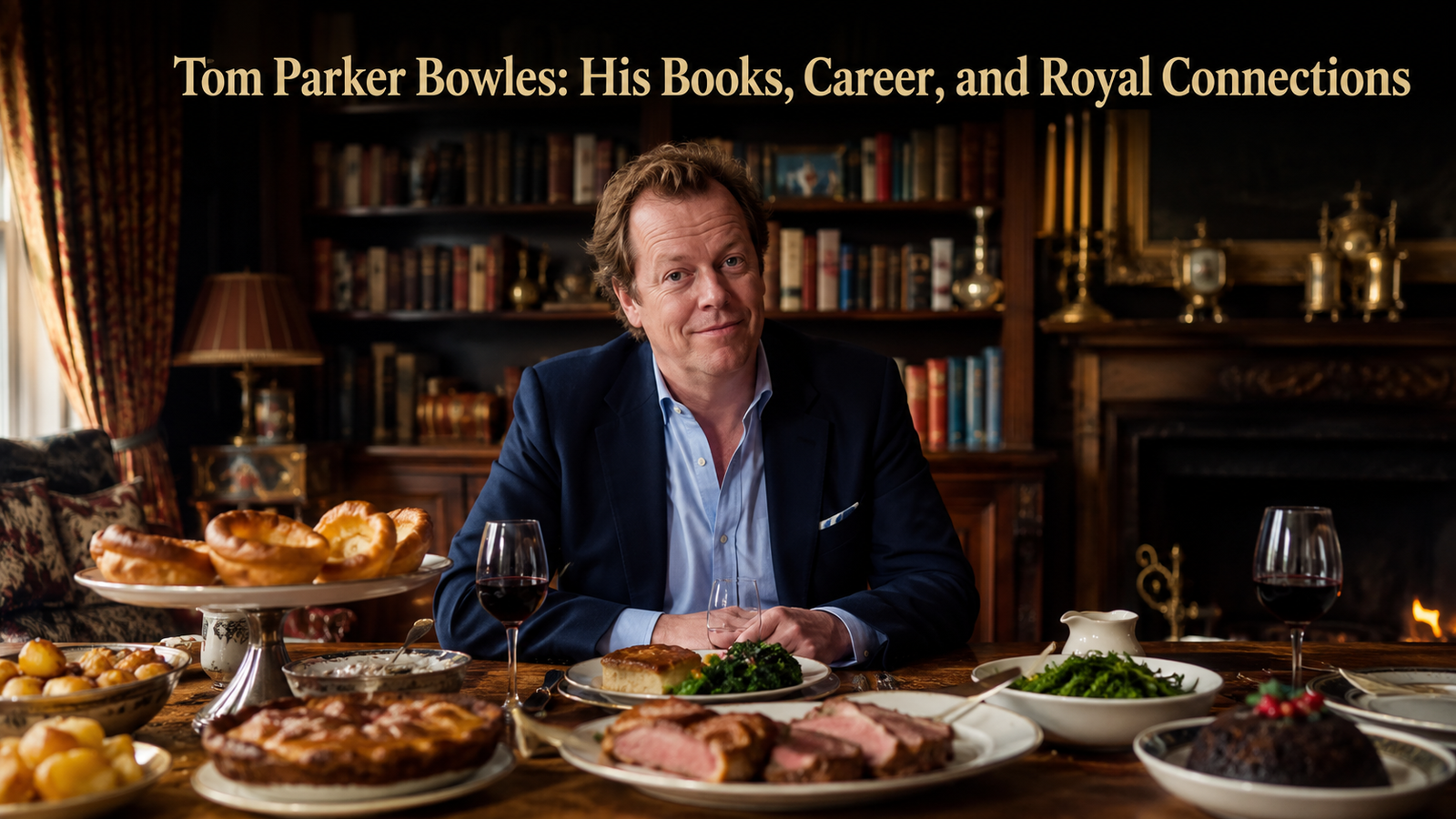
Tom Parker Bowles is widely recognised as a British food writer, restaurant critic, broadcaster and cookbook author. Although public interest often begins with his connection to the Royal Family, his professional reputation has been built through more than two decades of writing about restaurants, ingredients, culinary traditions and the social importance of food.
He has reviewed meals in Britain and abroad, written columns for major publications, judged television cooking competitions and published books ranging from culinary travel stories to carefully researched collections of British and royal recipes. His writing is usually direct, humorous and enthusiastic, without treating food as something that belongs only to professional chefs or luxury restaurants.
As the son of Queen Camilla and the stepson and godson of King Charles III, Parker Bowles also occupies an unusual position near the British monarchy. However, he is not a working royal and does not hold a royal title. His career has developed separately in journalism and publishing, where he is known primarily for his knowledge of food.
BIO
| Label | Information |
|---|---|
| Full Name | Thomas Henry Charles Parker Bowles |
| Known As | Tom Parker Bowles |
| Born | 18 December 1974 |
| Nationality | British |
| Profession | Food writer, author, broadcaster, restaurant critic |
| Education | Eton College and Worcester College, Oxford |
| Mother | Queen Camilla |
| Stepfather | King Charles III |
| Famous For | Food journalism, cookbooks, and restaurant reviews |
| Notable Books | Full English, Cooking and the Crown, Time for Tea |
| Areas of Expertise | British cuisine, food history, restaurant criticism |
| Years Active | Early 2000s–Present |
Who Is Tom Parker Bowles?
Tom Parker Bowles was born Thomas Henry Charles Parker Bowles on 18 December 1974. He is the eldest child of Camilla Shand, now Queen Camilla, and Andrew Parker Bowles, a retired British Army officer. His younger sister, Laura Lopes, later developed a career connected with the art world.
He grew up largely in Wiltshire and experienced what he has described as a happy and privileged childhood. Food was an important part of family life, but not always in a grand or ceremonial form. Home-cooked meals, seasonal ingredients, family lunches and traditional British dishes helped shape the preferences that later appeared throughout his work.
Parker Bowles attended Eton College before studying at Worcester College, Oxford. Despite the public prominence of his family, he did not initially establish himself through royal duties or public service. Instead, he entered journalism and gradually found his professional identity in food writing.
His background undoubtedly gave him access to distinctive experiences, but his career required more than a famous family name. Restaurant criticism demands observation, consistency, knowledge and the ability to describe taste in language that is useful to readers. Over time, Parker Bowles developed those qualities into a recognisable journalistic voice.
The Beginning of His Career
Before becoming established as a critic, Parker Bowles worked in public relations and related areas of media. His transition into food journalism became clearer when he started working as a food columnist for Tatler. He later contributed a regular column to a supplement of The Mail on Sunday, expanding his audience and strengthening his position within British food journalism.
His career developed at a time when restaurant criticism was becoming more varied. Traditional reviews often concentrated on formal dining rooms, famous chefs and expensive menus. Parker Bowles showed an interest in those subjects, but he was equally willing to discuss regional dishes, inexpensive restaurants, street food and everyday comfort meals.
That broad curiosity became one of his strengths. He could write about a carefully prepared tasting menu and then turn his attention to fried food, pies, curries, sandwiches or dishes found in small family-run establishments. For him, price and prestige were not the only measures of a memorable meal.
His work has appeared in publications including The Mail on Sunday, Esquire, GQ, Country Life and Condé Nast Traveller. Publisher biographies have described him as an award-winning food writer, broadcaster and regular newspaper columnist.
Life as a Restaurant Critic
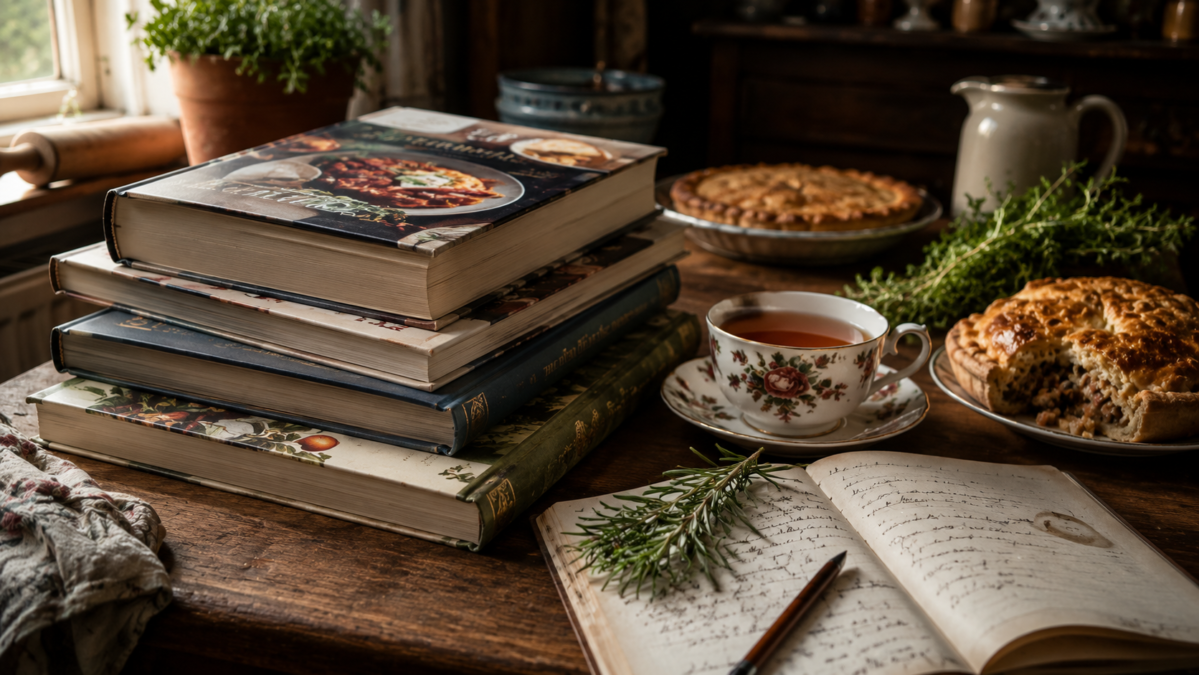
Restaurant criticism may sound like an ideal occupation, but it involves more than eating enjoyable meals. A critic must judge ingredients, cooking technique, service, atmosphere, value and consistency while still producing an article that holds a reader’s attention.
Parker Bowles became known for reviews that were confident, descriptive and often humorous. He does not normally hide behind overly technical culinary language. Instead, he explains whether a dish works, how it tastes and whether the restaurant offers a satisfying experience.
His approach also reflects a belief that food should bring pleasure. This does not mean he avoids criticism. A restaurant review must be honest to be useful, and weak cooking, poor service or unjustified prices can receive a sharp response. Nevertheless, his writing generally communicates affection for restaurants and for the people who make dining culture possible.
Another important element of his criticism is context. A neighbourhood café should not be judged as though it were a palace dining room. In the same way, an expensive restaurant must offer more than elegant decoration to justify its prices. By considering what an establishment is trying to achieve, Parker Bowles makes his reviews accessible to ordinary diners rather than writing only for industry professionals.
His First Major Books
Parker Bowles expanded beyond newspapers and magazines by writing books that allowed him to explore food in greater depth. One of his best-known early titles was The Year of Eating Dangerously, published in the mid-2000s.
The book followed his culinary travels and his search for unusual, challenging and culturally significant foods. Rather than presenting the world as a collection of fashionable restaurants, it examined the relationship between food, place and tradition.
The word “dangerously” captured the adventurous nature of the project, but the book was not simply a catalogue of shocking dishes. It reflected his willingness to experience unfamiliar cultures through their food. This idea has remained important to his work: eating can offer an immediate way to understand how people live, celebrate and remember.
Another early book, E Is for Eating: An Alphabet of Greed, used an alphabetical structure to explore ingredients, dishes, habits and personal food memories. Its format gave Parker Bowles room to move between serious culinary observations and entertaining opinions.
These books established that he was not only a restaurant reviewer. He could sustain a longer narrative, combine personal experience with research and make culinary history enjoyable for a general audience.
Celebrating British Food
British cuisine has sometimes been unfairly dismissed as plain, heavy or lacking imagination. Parker Bowles has repeatedly challenged that stereotype by highlighting the variety found across the country.
His book Full English: A Journey Through the British and Their Food explored the dishes, producers and regional traditions that shape British eating. It treated food as part of national and local identity rather than as a simple collection of recipes.
British cooking includes far more than roast dinners and fish and chips. Regional cheeses, pies, seafood, puddings, cured meats, breads, farm produce and immigrant influences have all contributed to the country’s food culture. Parker Bowles’ work recognises this mixture.
He has also defended foods that may appear unfashionable. Traditional recipes are valuable not because everything old is automatically better, but because they carry stories about geography, class, agriculture, trade and family life.
This respect for tradition does not make him opposed to modern cooking. His writing often supports skilled chefs and new ideas. The central issue is whether food is prepared with care, flavour and an understanding of ingredients.
The Fortnum & Mason Books
A major part of Parker Bowles’ publishing career has been his work connected with Fortnum & Mason, the historic London department store known for food, tea and luxury goods.
The Fortnum & Mason Cookbook brought together recipes, history and the character of an institution closely associated with British culinary life. Rather than functioning only as a promotional book, it gave readers practical dishes while exploring the traditions behind the store.
He followed it with Fortnum & Mason: Christmas & Other Winter Feasts, which focused on seasonal cooking, celebrations and the comforting foods associated with colder months. Christmas cookbooks can easily become repetitive, but this book drew on Fortnum & Mason’s history and Parker Bowles’ enthusiasm for generous British food.
Another related title, Time for Tea, examined one of Britain’s most recognisable customs. Tea is both an everyday drink and part of a larger ritual involving cakes, sandwiches, biscuits and conversation. The book explored that tradition while presenting recipes suitable for modern homes.
These publications showed Parker Bowles at his most practical. The travel-based books centred on discovery, whereas the Fortnum & Mason books offered recipes readers could prepare themselves. Together, they demonstrated the range of his food writing.
Cooking and the Crown
In 2024, Parker Bowles published Cooking and the Crown: Royal Recipes from Queen Victoria to King Charles III. The book brought together three subjects closely connected with his public identity: food, British history and the monarchy.
It examines more than two centuries of royal culinary traditions, using archival material, historical accounts, recipes and personal insight. The dishes range from formal banquet food to surprisingly simple family meals.
The official publisher describes the book as a journey through royal breakfasts, lunches, picnics, teas, dinners, coronations and state occasions. Featured dishes include Queen Camilla’s porridge, George V’s curry, Queen Mary’s birthday cake and a wet martini associated with King Charles III.
What makes the book interesting is the contrast between public ceremony and private preference. State banquets may involve complex menus, strict protocol and teams of professional chefs. Away from formal events, members of the Royal Family can favour relatively familiar foods.
Parker Bowles also places royal eating within wider historical changes. The ingredients available to Queen Victoria were not identical to those used during the reign of Elizabeth II or Charles III. Transportation, refrigeration, agriculture, empire, migration and changing social attitudes all influenced palace kitchens.
His family connection gives the book an additional personal dimension, but it is not simply a collection of private royal anecdotes. It is also a work of culinary history intended to show what food can reveal about different reigns and periods.
His Royal Connections
Tom Parker Bowles is the son of Queen Camilla, who married the future King Charles III in 2005. When Charles became King in September 2022, Camilla became Queen Consort and was crowned alongside him in May 2023.
Parker Bowles is both the King’s stepson and godson. Despite those relationships, he is not a prince, does not possess a royal style and is not a working member of the Royal Family. His sister, Laura Lopes, also does not perform royal duties.
This distinction is important. Marriage to the monarch changed Camilla’s constitutional and public position, but it did not automatically make her adult children members of the Royal House. Parker Bowles has continued to work as a writer and critic rather than adopting an official palace role.
His connections naturally attract media attention. Interviews frequently ask about his mother, the King, royal meals and family life. Parker Bowles usually acknowledges those relationships while maintaining a boundary between his career and the institution of monarchy.
In public comments, he has described Charles as a caring step-grandfather to the family’s children. He has also emphasised that, behind the titles and ceremonies, Camilla remains his mother. Reports about the family note that Parker Bowles has two children, Lola and Frederick, from his marriage to former fashion editor Sara Buys.
Food in the Family
Parker Bowles’ interest in food was influenced by family life. He has spoken about his mother cooking for her children and preparing straightforward meals rather than relying entirely on formal household staff.
This background helps explain why his writing moves comfortably between royal banquets and ordinary home cooking. He understands the spectacle of ceremonial dining, but his tastes are also grounded in familiar dishes, family tables and informal meals.
King Charles has long been publicly associated with organic farming, seasonal produce and environmental concerns. These interests overlap with many themes in contemporary food writing, including sustainability, responsible agriculture and respect for ingredients.
Parker Bowles has written about such subjects without presenting himself as an official representative of the King. The overlap is partly personal and partly culinary: good ingredients often depend on healthy soil, careful farming and seasonal awareness.
Television and Broadcasting
In addition to print journalism and books, Parker Bowles has developed a career in broadcasting. He has appeared on food programmes, documentaries and competitive cooking shows, sometimes as a presenter and often as a judge.
He has been associated with programmes including versions of MasterChef, where judges must assess both technique and flavour. Television work requires a different form of communication from newspaper criticism. Reactions must be clear and immediate, and viewers need to understand why a dish succeeds or fails.
His relaxed but knowledgeable manner suits this format. He can discuss cooking seriously without making it feel inaccessible. This balance has helped him reach audiences who may never read a formal restaurant review.
Radio and podcast appearances have also allowed him to discuss the emotional side of food. In a 2025 Good Food conversation, he reflected on restaurant criticism, family traditions, royal banquets and the idea that food is closely connected to happiness, community and the quality of ingredients.
Awards and Recognition
Parker Bowles’ long career has received recognition from within the food-writing profession. He won a Guild of Food Writers Award in 2010 for work connected with British food.
Such recognition matters because food journalism is a competitive field containing critics, historians, recipe writers, broadcasters and specialist reporters. Awards are not the only measure of quality, but they indicate that his work has been respected by professional peers.
His longevity is equally significant. Newspaper columns, restaurant reviewing and publishing careers can be difficult to maintain as audiences and media formats change. Parker Bowles has remained visible by moving between print, books, television, events and audio programmes.
His Writing Style
The most appealing quality in Parker Bowles’ writing is often its sense of appetite. He writes as someone who genuinely enjoys eating rather than as a distant observer performing an intellectual exercise.
His descriptions can be vivid, but they usually serve a practical purpose. Readers want to know whether meat is tender, pastry is crisp, sauce is balanced or a restaurant is worth the price. Clear sensory language helps them imagine the experience.
Humour is another important part of his voice. Food writing can become self-important when every meal is treated as a masterpiece. Parker Bowles is willing to enjoy the absurdities of dining culture while still respecting genuine craft.
He also writes with a strong awareness of history. A recipe is rarely just a list of instructions. It may reflect a region, a period of hardship, a religious celebration, a royal custom or a family memory.
His Influence on Food Journalism
Tom Parker Bowles belongs to a generation of British writers who helped make food journalism more open and entertaining. His work moves between expensive restaurants and everyday meals without assuming that one category automatically matters more than the other.
He has encouraged readers to take British food seriously while remaining curious about the rest of the world. This combination avoids two extremes: dismissing local traditions as outdated or treating foreign dishes merely as exotic novelties.
His career also demonstrates that expertise can be communicated in an approachable way. Readers do not need professional culinary training to understand why a dish is satisfying. They need honest description, useful context and a writer whose judgement feels consistent.
Personal Life
Parker Bowles married fashion editor Sara Buys in 2005. The couple had two children, Lola and Frederick, before separating and later divorcing.
Although his family connections are highly public, he generally avoids turning every aspect of his personal life into entertainment. He appears at selected public and family occasions but remains primarily active as a food professional.
This separation between public background and professional identity has been important to his reputation. Royal curiosity may introduce readers to his name, but it does not fully explain why his books continue to be published or why editors have employed him for many years.
Why Tom Parker Bowles Remains Relevant
The lasting interest in Tom Parker Bowles comes from the way his career brings together food, culture, history and personal experience.
His early books captured the excitement of culinary travel. His writing on British cuisine defended regional traditions without ignoring modern influences. The Fortnum & Mason titles turned institutional history into practical home cooking, while Cooking and the Crown used royal menus to explore more than two centuries of changing tastes.
His royal connections will always be part of his public story. As Queen Camilla’s son and King Charles III’s stepson and godson, he has a perspective that few food writers share. Yet those relationships are only one part of his identity.
Parker Bowles has spent more than two decades reviewing restaurants, writing columns, publishing books and appearing on food programmes. That body of work shows a sustained commitment to culinary journalism rather than a career dependent solely on family fame.
Frequently Asked Questions
Who is Tom Parker Bowles?
Tom Parker Bowles is a British food writer, restaurant critic, broadcaster and cookbook author. He is also the son of Queen Camilla and Andrew Parker Bowles.
What are Tom Parker Bowles’ most popular books?
His notable books include The Year of Eating Dangerously, Full English, The Fortnum & Mason Cookbook, Time for Tea and Cooking and the Crown.
How is Tom Parker Bowles connected to the Royal Family?
He is Queen Camilla’s son and King Charles III’s stepson and godson. However, he does not hold a royal title and is not a working member of the Royal Family.
Is Tom Parker Bowles a professional chef?
No, Tom Parker Bowles is not primarily known as a professional chef. His career focuses on food journalism, restaurant criticism, broadcasting and writing cookbooks.
Does Tom Parker Bowles have children?
Yes, he has two children, Lola and Frederick, from his marriage to former fashion editor Sara Buys.
Conclusion
Tom Parker Bowles has created a distinctive place for himself in British food culture. He is a restaurant critic with an appetite for both refined and everyday cooking, an author interested in the history behind recipes and a broadcaster capable of explaining food without making it feel complicated.
His books reveal the breadth of his interests. Some explore unfamiliar dishes and international food traditions, while others celebrate British cooking, afternoon tea, festive meals and the history of royal dining.
His connection to Queen Camilla and King Charles III gives his work an unusual perspective, especially in Cooking and the Crown. However, his professional standing rests on years of journalism, criticism and research.
Ultimately, Parker Bowles’ career is best understood not simply as the story of a man connected to royalty, but as the work of a writer who believes that food provides one of the clearest ways to understand families, communities, countries and history.