
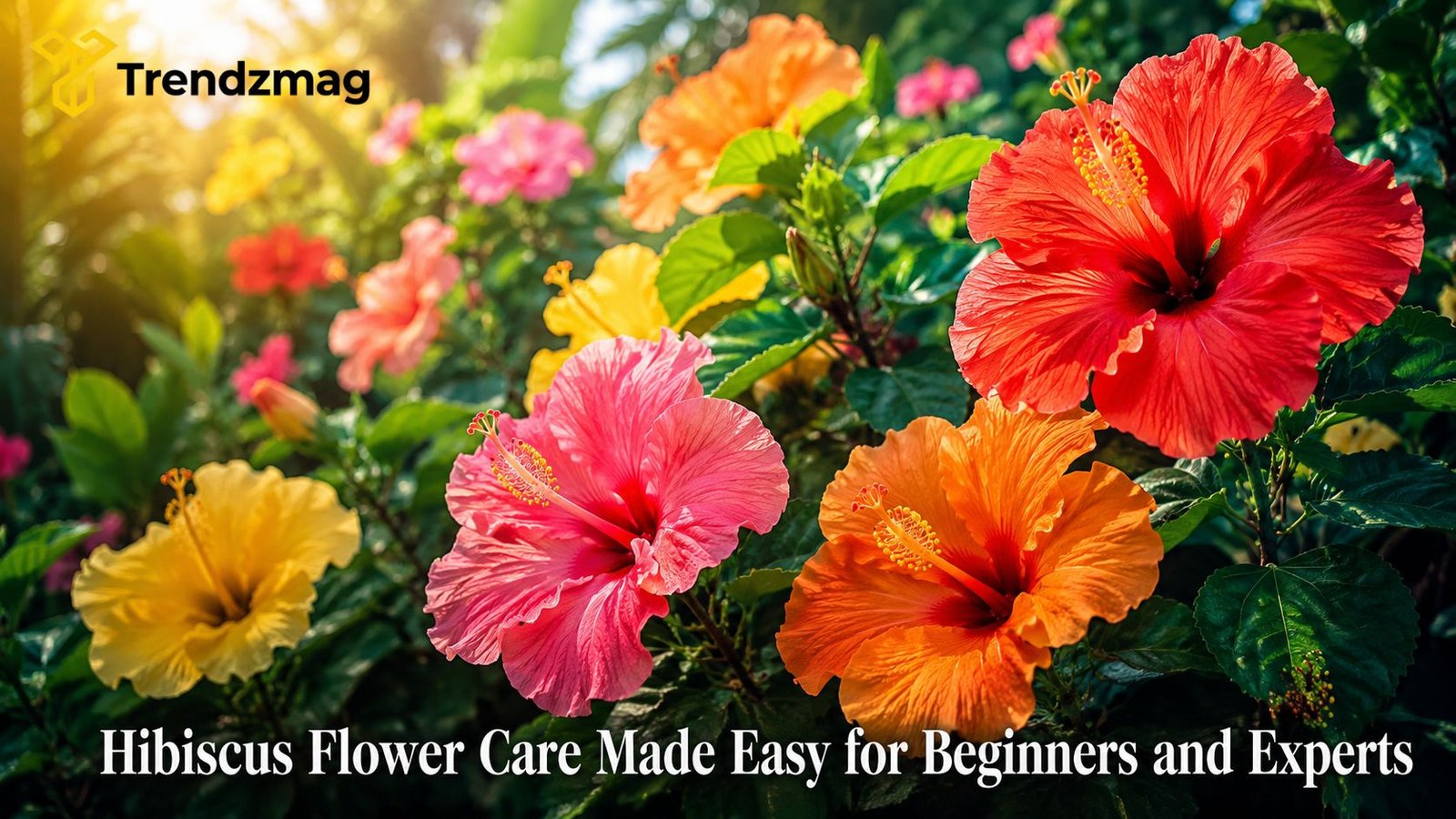
The hibiscus flower is known for its large, colorful blooms and unmistakable tropical character. Its flowers can appear in shades of red, pink, orange, yellow, white, purple, and combinations of several colors. A healthy hibiscus can become the centerpiece of a garden, patio, balcony, or bright indoor room.
Despite its exotic appearance, hibiscus is not necessarily difficult to grow. Most problems develop because the plant receives the wrong amount of sunlight, inconsistent watering, poor drainage, or unsuitable winter protection. Once these basic needs are understood, caring for hibiscus becomes much easier.
The most important point is that not all hibiscus plants are the same. Tropical hibiscus, hardy hibiscus, and Rose of Sharon may share similar flowers, but they respond differently to cold weather, pruning, moisture, and seasonal care. Understanding which type you own is the first step toward keeping it healthy.
BIO
| Label | Information |
|---|---|
| Common Name | Hibiscus Flower |
| Botanical Genus | Hibiscus |
| Plant Type | Flowering shrub or perennial |
| Family | Malvaceae (Mallow family) |
| Native Regions | Tropical and subtropical areas |
| Flower Colors | Red, pink, yellow, white, orange, purple |
| Sunlight Needs | Full sun to partial sun |
| Soil Preference | Rich, well-drained, fertile soil |
| Water Needs | Regular watering with good drainage |
| Blooming Season | Spring through fall (varies by climate) |
| Best Uses | Gardens, containers, borders, landscapes |
| Main Benefit | Large, colorful blooms that attract pollinators |
Understanding the Hibiscus Flower
Hibiscus is a genus in the mallow family, and it includes many flowering species grown in warm, temperate, subtropical, and tropical regions. Gardeners usually encounter three main groups: tropical hibiscus, hardy perennial hibiscus, and Rose of Sharon.
Tropical hibiscus, commonly associated with Hibiscus rosa-sinensis, usually has glossy evergreen leaves and brightly colored flowers. It thrives in warmth but is vulnerable to frost. In cold regions, it is commonly grown in containers and moved indoors before temperatures become dangerous.
Hardy hibiscus, including plants related to Hibiscus moscheutos, behaves differently. It dies back to the ground after frost and returns from its roots in spring. Its flowers can be exceptionally large, sometimes creating a dramatic display in moist garden beds.
Rose of Sharon, or Hibiscus syriacus, is a deciduous woody shrub. It usually flowers later in summer and may be used in borders, screens, informal hedges, and specimen plantings.
Before changing your plant’s care routine, identify its type. A tropical hibiscus should not be treated like a hardy perennial, particularly during winter.
Why Grow Hibiscus?
Few flowering plants create the same visual impact as a hibiscus flower. Even a single bloom can attract attention because of its size, prominent staminal column, and rich coloring.
Hibiscus plants can serve several purposes in a landscape. They may be grown as colorful container specimens, informal screens, flowering shrubs, border plants, or seasonal patio decorations. Some varieties are compact enough for smaller gardens, while others develop into substantial shrubs.
The flowers may also attract pollinating wildlife. Depending on the species, local climate, and location, hibiscus blossoms can be visited by bees, butterflies, and hummingbirds. This makes the plant valuable for gardeners who want both ornamental beauty and wildlife activity.
A further advantage is the hibiscus flowering season. With suitable light, moisture, nutrition, and warmth, tropical types can continue producing buds over an extended period. Individual flowers may be short-lived, but a mature plant can replace them regularly.
Choosing the Right Variety
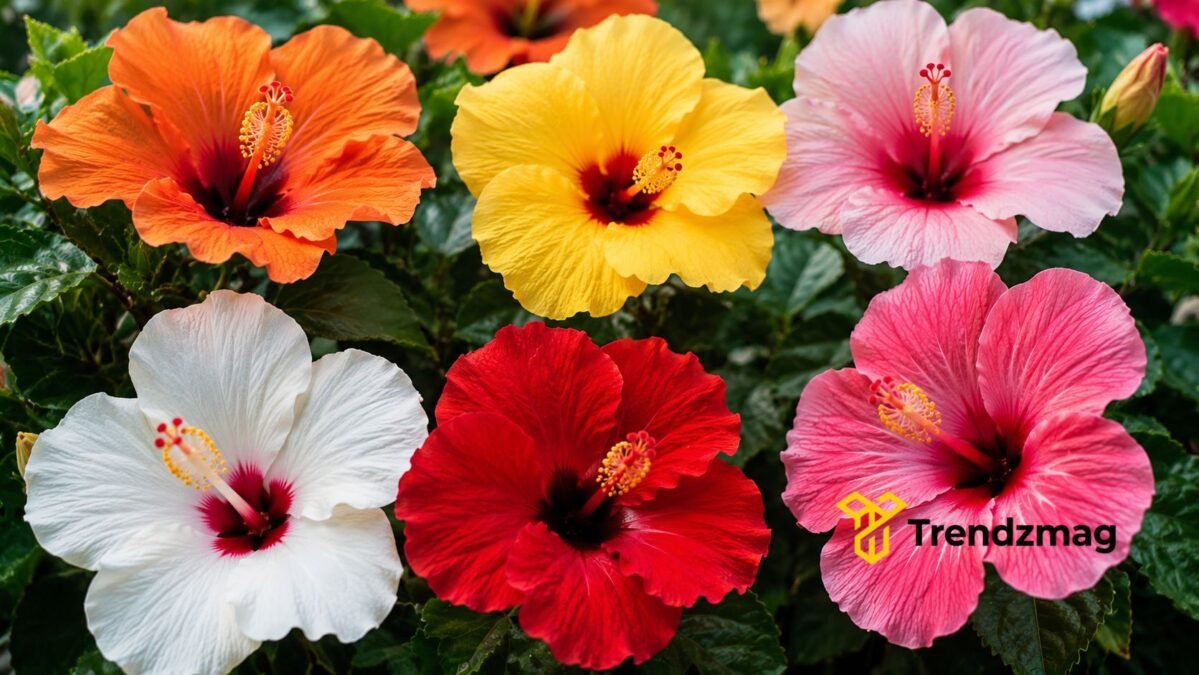
Selecting a suitable plant is easier than trying to force the wrong hibiscus to survive in an unsuitable climate.
Gardeners in frost-free or consistently warm areas can grow tropical hibiscus outdoors for much of the year. In colder climates, tropical plants are better kept in movable pots so they can be protected indoors during winter.
Hardy hibiscus is generally the better choice where winters are cold. Although its stems disappear after frost, an established root system can survive underground and produce new growth when warm weather returns. Do not assume a dormant hardy hibiscus is dead simply because it emerges later than many other perennials.
Rose of Sharon suits gardeners who want a woody, upright shrub rather than a tropical-looking container plant. It generally requires less frequent pruning and becomes a permanent part of the landscape.
When purchasing a hibiscus, check the botanical name and hardiness information on the label. Common names are sometimes used loosely, so the botanical name provides a more reliable guide to the plant’s needs.
Providing Enough Sunlight
Light has a direct influence on the health and flowering of hibiscus. A plant kept in deep shade may remain alive, but it will often produce weak growth and few flowers.
Most outdoor hibiscus plants perform best in full sun or very bright conditions. Tropical hibiscus can tolerate some partial shade, especially in extremely hot climates, but insufficient light often reduces blooming. Hardy hibiscus also develops stronger stems and a better floral display when it receives generous sunlight.
In regions with intense afternoon heat, a little protection during the hottest part of the day may help prevent excessive stress. However, the plant should still receive several hours of direct light.
An indoor hibiscus should be placed near the brightest suitable window. A south-facing or west-facing exposure is often useful in the Northern Hemisphere, although the exact location depends on the building, season, and local climate.
If a plant has been indoors for winter, do not move it directly into powerful outdoor sunlight. Gradually acclimate it over one or two weeks. Begin with a protected, lightly shaded position and slowly increase its sun exposure. Sudden exposure can scorch leaves that developed under indoor light.
Maintaining the Right Temperature
Tropical hibiscus grows best in warm, stable conditions. It can become stressed when exposed to cold drafts, abrupt temperature changes, or frost. Plants growing outdoors in containers should be moved to protection before cold weather arrives.
Hardy hibiscus is far more tolerant of winter cold, but the visible stems usually die after frost. The root crown remains underground and produces new stems in the next growing season.
Temperature changes can also contribute to bud drop. A plant moved suddenly from a warm patio to a cool indoor room may shed buds or leaves while adjusting. This does not always indicate disease. It may simply be a response to changing light, humidity, and temperature.
When overwintering tropical hibiscus indoors, keep it away from exterior doors, cold window glass, heating vents, and radiators. A stable position is usually better than moving the plant repeatedly.
Preparing the Soil
Good soil for hibiscus should hold enough moisture to support active growth without remaining waterlogged. This balance is especially important for tropical varieties grown in pots.
For container plants, use a high-quality, well-draining potting mix rather than heavy garden soil. Garden soil may compact inside a pot, limiting oxygen around the roots and slowing drainage.
A useful growing medium contains materials that retain moderate moisture while allowing excess water to escape. Compost or other well-decomposed organic matter can improve soil structure, but it should not turn the potting mixture into a dense, soggy mass.
Outdoor tropical hibiscus generally prefers moist, organically rich, well-drained soil. Hardy hibiscus naturally tolerates moister conditions than many common garden plants, but its needs still vary by cultivar and location. Clemson Cooperative Extension notes that hardy hibiscus can grow in soil ranging from moist to well-drained and benefits from organic matter such as compost.
Always plant in a container with drainage holes. A decorative pot without an outlet can trap water around the roots and create ideal conditions for decline.
Planting Hibiscus Correctly
Choose the planting position before digging. Consider the plant’s mature height and width, its sunlight needs, and whether it will require winter protection.
When planting in the ground, dig a hole that is wide enough to spread the roots naturally. Avoid placing the plant much deeper than it was growing in its nursery container. Deep planting can keep the crown unnecessarily wet.
Backfill carefully, firm the soil gently, and water thoroughly. A layer of organic mulch around an outdoor hibiscus can reduce evaporation, moderate soil temperature, and suppress weeds. Keep mulch slightly away from the main stems instead of piling it against the crown.
For container hibiscus, choose a pot only moderately larger than the root ball. An oversized pot holds a large quantity of wet growing medium, which can dry slowly and increase the risk of root trouble.
Repot when roots have filled the container, water runs through unusually quickly, growth becomes restricted, or the growing medium has broken down. Spring is usually a convenient time because the plant is entering active growth.
Watering the Right Way
Correct watering is one of the most important parts of hibiscus flower care. The goal is consistent moisture without permanent saturation.
During hot weather, a container-grown tropical hibiscus may need frequent watering because leaves lose moisture rapidly and pots dry faster than garden beds. However, watering should be based on the soil rather than a rigid timetable.
Check the upper layer of the growing medium with a finger. If it has begun to dry, water deeply until moisture drains from the bottom. Discard water that collects in an outer pot or saucer instead of allowing the roots to stand in it.
Missouri Botanical Garden recommends consistent moisture for tropical hibiscus while warning that roots should not be allowed to dry completely.
Outdoor plants usually need less frequent irrigation after becoming established, although they still require attention during heat and drought. Hardy hibiscus appreciates dependable moisture, particularly while producing new stems and large flowers.
Morning is generally a practical time to irrigate outdoor plants. Watering at soil level reduces unnecessary leaf wetness and allows the plant to absorb moisture before the hottest part of the day. University of Minnesota Extension likewise recommends early-morning watering during hot weather and directing water close to the soil surface.
Recognizing Watering Problems
Both excessive and insufficient watering can cause yellow leaves, wilting, and bud loss. That is why symptoms should be interpreted alongside the condition of the soil.
A thirsty hibiscus may have dry soil, drooping leaves, crisp leaf edges, or flowers that fade quickly. A deeply watered plant should begin recovering once moisture reaches the root ball.
An overwatered plant may remain wilted despite having wet soil. Its leaves may yellow and fall, while the potting mix develops a sour smell. Severe cases can involve dark, soft roots and stem decline.
Do not automatically water every wilted plant. Always feel the soil first. Wilting in wet soil suggests that the roots may be struggling to obtain oxygen or may already be damaged.
Improving drainage, emptying saucers, reducing watering frequency, and removing severely damaged roots may help a stressed container plant. If root rot is advanced, taking healthy cuttings can sometimes preserve the variety.
Feeding for Healthy Blooms
Hibiscus plants produce substantial foliage and repeated flowers, so container-grown tropical types benefit from regular feeding during active growth.
A balanced fertilizer can provide nitrogen, phosphorus, potassium, and smaller amounts of other nutrients. University of Minnesota Extension describes hibiscus as a heavy feeder and suggests using a balanced fertilizer at reduced strength every few weeks during active outdoor growth. Indoor plants should be fertilized less often, especially during winter.
Follow the product label because fertilizer concentrations vary. Applying more than recommended will not necessarily produce more flowers. Excess fertilizer can damage roots, cause salt buildup, burn leaf margins, and encourage soft growth.
Water a dry plant before applying liquid fertilizer. Feeding severely dry roots increases the risk of injury.
Hardy hibiscus growing in good garden soil may not need the same intensive feeding schedule as a potted tropical plant. An annual application of compost and, where needed, a slow-release general fertilizer in late spring may be sufficient.
Reduce or stop feeding when growth slows in autumn and winter. Fertilizing a plant that lacks sufficient warmth and light can encourage weak growth rather than useful flowering.
Pruning Without Stress
Pruning keeps hibiscus manageable, removes damaged growth, and can encourage branching. The correct method depends on the type of plant.
Tropical hibiscus may be lightly shaped before strong spring growth begins. Remove dead, damaged, crossing, or weak stems first. Long shoots can then be shortened to create a balanced plant.
Avoid removing too much at once unless the plant requires major renovation. Heavy pruning temporarily reduces flowering because the hibiscus needs time to replace shoots and form new buds.
Use clean, sharp pruning tools. Make cuts close to a healthy node or branch junction without leaving long, dead stubs. Cleaning tools between diseased plants reduces the chance of spreading problems.
Hardy hibiscus stems can be cut back after frost once they have died, or they may be left standing for winter interest and removed before spring growth. Mark the planting position because the plant can emerge relatively late.
Rose of Sharon generally needs little routine pruning beyond the removal of dead, damaged, or badly placed branches. The Royal Horticultural Society advises that many established Rose of Sharon cultivars require only limited pruning.
Deadheading Hibiscus Flowers
A single hibiscus flower may last for only a short period, but healthy plants can continue opening new buds.
Removing faded blooms keeps the plant tidy and prevents old petals from collecting around the stems. Deadheading may also reduce unwanted seed production in certain varieties.
Use fingers or clean snips to remove the spent bloom gently. Avoid pulling hard enough to damage nearby buds.
Do not become concerned when fresh-looking flowers close or drop naturally. Short individual flower life is normal for many hibiscus varieties. Judge the plant by its overall bud production rather than the life of one bloom.
Encouraging More Flowers
A hibiscus that produces leaves but few flowers is usually responding to its environment.
Begin by checking light. A shaded hibiscus may develop healthy-looking foliage without enough energy for abundant blooming. Move container plants gradually into a brighter position.
Next, examine fertilizer use. Too much nitrogen may encourage leafy growth, while excessive fertilizer of any kind can damage the roots. Use a balanced feeding program rather than repeatedly applying strong products marketed only for flowering.
Watering should also remain consistent. Letting a hibiscus become extremely dry and then flooding it can cause stress and bud loss.
Avoid moving a budding plant unnecessarily. Changes in light, humidity, watering, and temperature can cause developing buds to drop. Missouri Botanical Garden identifies poor light, fluctuating temperatures, low humidity, and irregular watering as common contributors to hibiscus bud drop.
Finally, check for pests. Aphids and other sap-feeding insects often gather around tender shoots and flower buds, weakening new growth before blooms open.
Managing Yellow Leaves
An occasional yellow leaf is not always a serious problem. Older leaves naturally age and fall, particularly when the plant is adjusting to a new season or location.
Widespread yellowing deserves investigation. Possible causes include overly wet soil, severe dryness, low light, cold exposure, root restriction, insect feeding, or fertilizer buildup.
Start with the simplest observations. Check soil moisture, inspect drainage holes, examine the undersides of leaves, and consider whether the plant was recently moved.
If yellowing begins soon after bringing an outdoor hibiscus inside, the change in light may be responsible. Place it in the brightest practical indoor location and avoid making several additional changes at the same time.
When fertilizer salts are suspected in a container, water deeply enough for excess moisture to drain freely. Never attempt this in a pot without drainage.
Preventing Bud Drop
Bud drop is one of the most frustrating hibiscus problems because the plant appears ready to flower and then loses its buds.
Environmental instability is a common cause. Sudden temperature changes, inconsistent watering, low humidity, weak light, or relocation can interrupt bud development.
Pests may also hide inside or around buds. Inspect new growth closely for aphids, thrips, whiteflies, mites, and other small insects.
Keep the plant’s routine steady while it is budding. Water consistently, maintain good light, and avoid repeatedly rotating or moving the pot. Protect outdoor plants from strong wind, which can dry foliage and damage tender buds.
Do not overcorrect by adding extra fertilizer. A stressed plant needs stable growing conditions more than a strong dose of nutrients.
Controlling Common Pests
Hibiscus can attract aphids, spider mites, whiteflies, mealybugs, and scale insects.
Aphids often cluster on soft growing tips and buds. They may leave sticky honeydew on leaves. Whiteflies fly upward in small clouds when an infested plant is disturbed. Mealybugs look like small white cottony patches, while scale insects resemble fixed brown or pale bumps on stems and leaves.
Spider mites can be difficult to see without magnification. Early damage may appear as pale stippling, yellowing, or bronzing. Fine webbing usually becomes visible after the population has grown considerably.
Inspect hibiscus regularly, especially before moving an outdoor plant indoors. Isolate affected plants to prevent pests from spreading to other houseplants.
A firm spray of water can remove many aphids and mites. Insecticidal soap may help control soft-bodied insects when it is applied thoroughly and according to the label. Clemson Extension notes that insecticidal soaps are useful against pests such as aphids, mealybugs, scale crawlers, and spider mites.
Repeat treatment may be necessary because a single application may not reach every life stage. Test sprays on a small part of the plant first, avoid treating heat-stressed plants, and never assume that a stronger mixture is safer or more effective.
Reducing Disease Risk
Hibiscus problems are often prevented more easily than they are cured.
Provide sufficient space between plants so air can circulate. Avoid keeping foliage wet for long periods, particularly in cool or humid conditions. Remove fallen flowers, dead leaves, and badly affected plant material.
Powdery mildew may appear as pale or powdery growth on leaves. Better spacing, selective thinning, and improved air circulation can make conditions less favorable for the disease. University of Minnesota Extension recommends spacing and thinning plants to improve airflow and light within the canopy.
Leaf spots may develop when foliage remains wet or infected debris is allowed to accumulate. Water the soil rather than routinely wetting the entire plant.
Root problems are usually linked to poor drainage and excessive moisture. A clean container, fresh potting medium, functioning drainage holes, and careful watering provide the best protection.
Growing Hibiscus Indoors
A tropical hibiscus can live indoors, but it needs more than ordinary room light.
Place it near a bright window and keep the foliage from touching cold glass. If natural light is insufficient, a suitable grow light can support healthier growth.
Indoor air is often dry during winter. Grouping plants or placing the pot near a humidity tray may improve the local environment. The pot itself should remain above the water rather than sitting in it. The Royal Horticultural Society suggests damp gravel or clay pellets as one method of increasing humidity around indoor hibiscus.
Water less frequently as growth slows, but do not allow the entire root ball to remain dry for long periods. Stop or reduce feeding during low-light months.
Leaf loss after moving indoors is common. The plant is adjusting to weaker light, lower humidity, and a new temperature pattern. Maintain steady care and watch for pests rather than repeatedly changing its position.
Seasonal Care
In spring, increase watering gradually as new growth develops. Repot crowded tropical hibiscus, begin light feeding, and remove dead or weak stems.
During summer, monitor soil frequently because warm weather and active growth increase water use. Continue appropriate feeding, provide strong light, and check buds for pests.
In autumn, prepare tropical plants for the move indoors before cold conditions arrive. Inspect leaves and stems carefully, wash away pests, and reduce fertilizer as growth begins to slow.
In winter, hardy hibiscus remains dormant underground. Protect the root zone with suitable mulch where local conditions require it, but avoid burying the crown beneath a heavy, wet layer.
Indoor tropical hibiscus should receive the brightest available light. Water only when the upper growing medium has begun to dry, and avoid regular feeding until active growth returns.
Propagating New Plants
Stem cuttings are one of the most practical ways to propagate tropical hibiscus.
Choose a healthy, non-flowering shoot and cut it with a clean tool. Remove the lower leaves while keeping a few leaves near the top. Insert the cutting into a clean, lightly moist propagation medium.
Maintain warmth, humidity, and bright indirect light while roots develop. The medium should remain lightly moist but not saturated. A clear cover can help retain humidity, but it should allow some ventilation to reduce fungal growth.
Some hibiscus plants can also be grown from seed. Seed-grown offspring may not look identical to the parent, particularly when the parent is a hybrid. For gardeners who want to preserve the characteristics of a named cultivar, cuttings are generally more reliable.
Rose of Sharon can be propagated from softwood or semi-ripe cuttings, depending on the season and local growing conditions.
Using Hibiscus in the Garden
A hibiscus flower works well as a focal point because its blooms naturally draw the eye.
Tropical hibiscus looks attractive in a decorative container near a patio, entrance, seating area, or sunny wall. Containers also allow gardeners to move plants into winter shelter.
Hardy hibiscus is effective toward the middle or back of a perennial border, where its height and large flowers create late-season interest. Because it emerges relatively late, combine it with spring plants that fill the space earlier in the year.
Rose of Sharon can form a flowering screen or informal hedge. Give it enough space to develop without constant trimming.
Companion plants should have similar requirements for sunlight and moisture. Avoid crowding the hibiscus with aggressive plants that compete heavily for water and nutrients.
Mistakes to Avoid
The most common mistake is choosing a hibiscus without understanding its winter hardiness. A tropical hibiscus left outdoors during frost may suffer severe damage, while a hardy hibiscus may be discarded because its normal dormancy is mistaken for death.
Another mistake is watering by calendar instead of checking the soil. Conditions change with temperature, pot size, wind, plant growth, and season.
Poor drainage is equally damaging. Never leave a hibiscus permanently standing in water.
Deep shade, abrupt relocation, excessive fertilizer, and unnecessary heavy pruning can all reduce flowering.
Ignoring the undersides of leaves is another common problem. Many hibiscus pests remain hidden until the infestation becomes serious. A brief weekly inspection can prevent a small issue from becoming difficult to control.
Expert Care Tips
Experienced gardeners focus less on complicated products and more on consistency.
Keep records of watering, feeding, repotting, flowering, and pest problems. Notes make seasonal patterns easier to recognize.
Rotate indoor container plants occasionally so growth remains balanced, but avoid making sudden changes while the plant is covered in developing buds.
Remove weeds and fallen debris from around outdoor plants. Good sanitation improves airflow and eliminates hiding places for some pests.
Use mulch to conserve soil moisture, but keep it away from the central stems. Inspect irrigation regularly so water reaches the root zone rather than only wetting the surface.
Most importantly, respond to the plant rather than following a rigid routine. A hibiscus in a small sunny pot may need much more frequent watering than the same variety growing in a large container under mild conditions.
Is Hibiscus Safe for Pets?
Pet-safety information can differ according to the hibiscus species and the animal involved. The common name “hibiscus” covers many plants, so it is not wise to assume that every species has the same effect.
Prevent pets from chewing unknown ornamental plants. Keep the plant label or botanical name, and consult a veterinarian or recognized animal poison service when choosing plants for a home with curious pets.
If a pet eats part of a hibiscus and develops vomiting, diarrhea, drooling, weakness, or unusual behavior, contact a veterinarian promptly. Do not rely on home treatment.
Final Thoughts
Successful hibiscus flower care is based on a few dependable principles: identify the variety, provide strong light, maintain consistent moisture, ensure good drainage, feed during active growth, and protect the plant according to its cold tolerance.
Beginners do not need a complicated routine. Regular observation is more valuable than constant intervention. Check the soil before watering, inspect new growth for pests, and watch how the plant responds to changes in light and temperature.
Experienced gardeners can improve results by adjusting care according to the season, growth stage, and hibiscus type. Tropical hibiscus may need intensive container care and winter shelter, while hardy hibiscus benefits from a permanent sunny position and seasonal dormancy.
With steady attention, a hibiscus can reward its grower with vigorous foliage and a continuing display of bold flowers. Its blooms may look delicate and exotic, but the plant becomes surprisingly manageable once its essential needs are met.
Frequently Asked Questions
1. How often should I water a hibiscus flower?
A hibiscus flower should be watered whenever the top inch of soil feels dry. During hot summer months, container-grown plants may need water more often, while garden plants usually require less frequent watering.
2. Why is my hibiscus flower not blooming?
Poor blooming is often caused by insufficient sunlight, inconsistent watering, too much nitrogen fertilizer, or sudden temperature changes. Providing at least six hours of sunlight each day encourages more flowers.
3. Can a hibiscus flower grow indoors?
Yes, a hibiscus flower can grow indoors if it receives bright, direct sunlight and proper humidity. Place it near a sunny window and avoid cold drafts for the best results.
4. When is the best time to prune a hibiscus flower?
The ideal time to prune a hibiscus flower is in early spring before new growth begins. Regular pruning helps maintain shape, encourages healthy branches, and promotes more blooms throughout the season.
5. How do I protect a hibiscus flower during winter?
Tropical hibiscus should be moved indoors before frost arrives, while hardy hibiscus can remain outside with a layer of mulch to protect the roots. Proper winter care helps the plant return with healthy growth in spring.