
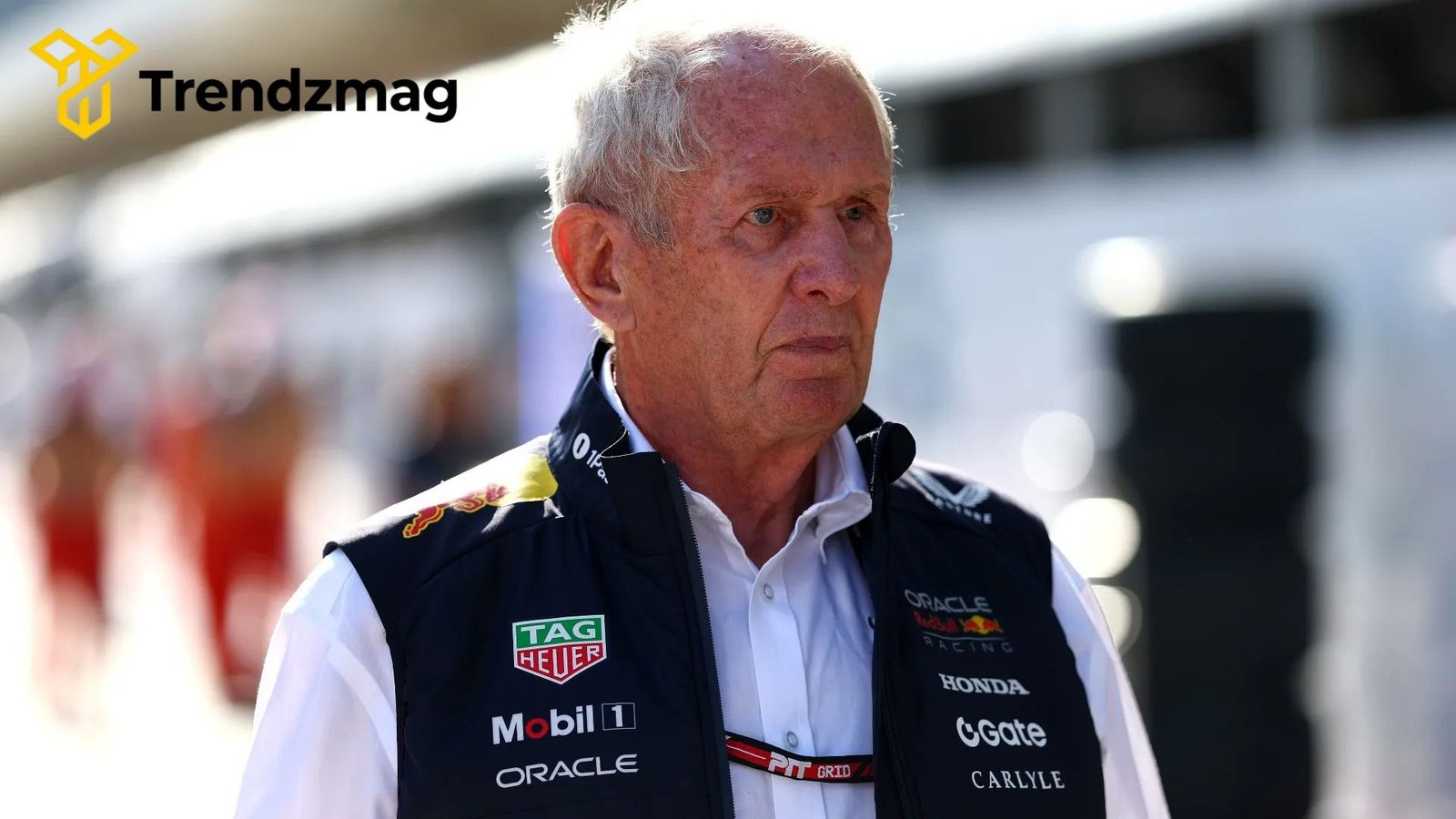
Helmut Marko is a name that resonates deeply within the world of motorsport, particularly Formula 1. As an integral part of Red Bull Racing’s rise to prominence, Marko has played a pivotal role in shaping the team’s success and the careers of many notable drivers. His journey, from a promising racing driver to one of the most influential figures in motorsport management, is a testament to his expertise, foresight, and unyielding passion for the sport. In this article, we will delve into the life of Helmut Marko, his contributions to Red Bull Racing, and his lasting impact on Formula 1.
BIO
| Label | Information |
|---|---|
| Full Name | Helmut Marko |
| Date of Birth | April 27, 1943 |
| Nationality | Austrian |
| Profession | Motorsport Advisor, Former Driver |
| Known For | Red Bull Racing’s Success |
| Racing Career | 1971-1972 |
| Major Achievements | 4x World Champion (Vettel), Verstappen’s Career Development |
| Team Role | Senior Advisor, Red Bull Racing |
| Key Contributions | Driver Development, Red Bull Junior Team |
| Notable Drivers Mentored | Sebastian Vettel, Max Verstappen |
| Famous Management Style | Strict, Discipline-Focused Leadership |
| Impact on Formula 1 | Transformed Red Bull Racing into a Championship Team |
| Legacy | Known for shaping the future of Formula 1 talent development |
Early Life and Racing Career

Helmut Marko was born on April 27, 1943, in Graz, Austria. From an early age, he demonstrated a keen interest in motorsport, which led him to pursue a career in racing. Marko’s journey began in the late 1960s, and he quickly made a name for himself in endurance racing and Formula 3. He later made his entry into Formula 1, participating in several Grands Prix between 1971 and 1972.
While his time as a Formula 1 driver was brief, Marko showcased significant talent and promise. However, his career was tragically cut short at the 1972 French Grand Prix, when an accident left him with permanent damage to his left eye, rendering him unable to continue as a driver. Despite this setback, Marko’s love for racing did not fade. Instead of walking away from motorsport entirely, he transitioned into a new role that would change the trajectory of his career—becoming a mentor and manager for young drivers.
The Birth of Red Bull’s Motorsport Legacy
Helmut Marko’s career in motorsport management began in 1984 when he founded the RSM Marko racing team, primarily competing in Formula 3 and Formula 3000. This move marked the beginning of his involvement in nurturing young talent, a passion that would define his later success with Red Bull Racing.
In the early 2000s, Marko’s association with Red Bull began to take shape. When Red Bull entered Formula 1 by acquiring Jaguar Racing in 2004, Marko was brought in as a senior advisor. It was in this role that Marko’s influence truly began to take hold, setting the stage for Red Bull Racing’s transformation from a midfield team to a dominant force in Formula 1. Marko’s ability to spot and develop young talent became one of his most defining qualities, and it would be this talent pipeline that helped catapult Red Bull Racing to the forefront of motorsport.
Helmut Marko’s Role in Red Bull Racing’s Success
Helmut Marko’s approach to team management is rooted in his belief in youth development and talent scouting. He revolutionized the way Formula 1 teams recruit drivers by establishing the Red Bull Junior Team, a system designed to identify and nurture young, promising drivers. This program would prove to be one of the cornerstones of Red Bull’s success, with Marko serving as the driving force behind the team’s recruitment and development strategies.
Under Marko’s leadership, Red Bull Racing introduced several talented drivers who would go on to achieve greatness. Sebastian Vettel, who won four consecutive World Championships with Red Bull between 2010 and 2013, was one of the first to rise through the ranks of the Red Bull Junior Team. His success would lay the foundation for what would become one of the most dominant periods in Red Bull Racing’s history.
Marko’s most notable achievement, however, has been his work with Max Verstappen. Marko recognized Verstappen’s immense talent early on and helped him secure a seat at Toro Rosso (now AlphaTauri) in 2015, when Verstappen was just 17 years old. The following year, Verstappen was promoted to Red Bull Racing, and by 2021, he had become a Formula 1 World Champion, with Red Bull Racing’s first driver’s title since 2013. Marko’s keen eye for talent and his ability to mentor young drivers has been instrumental in the team’s continued success.
Marko’s Leadership and Management Style
Helmut Marko is known for his intense, no-nonsense approach to team management. His leadership style is often described as tough but fair, and he demands nothing short of excellence from his drivers and team members. Marko’s philosophy is rooted in a deep understanding of the sport, combined with a desire to bring out the best in those under his guidance.
One of Marko’s most significant contributions to Red Bull Racing has been his ability to build a winning culture. He instilled a sense of discipline and focus within the team, ensuring that every member was aligned with the goal of achieving success. Marko is known for providing young drivers with the freedom to express themselves on the track, while also maintaining high standards and holding them accountable for their performance.
Marko’s no-compromise approach has not been without controversy, however. His frank assessments of drivers, coupled with his tendency to make swift decisions regarding driver line-ups, have earned him a reputation as one of the most formidable figures in the paddock. While some have criticized his style as being too harsh, it cannot be denied that his approach has yielded impressive results, with Red Bull Racing consistently competing at the highest level in Formula 1.
Red Bull Racing’s Championships and Achievements
Under Marko’s guidance, Red Bull Racing has become one of the most successful teams in Formula 1 history. The team’s first major success came with Sebastian Vettel, who secured four consecutive Drivers’ Championships from 2010 to 2013, making Red Bull Racing the dominant force in the sport during that period. The team also won the Constructors’ Championship in 2010, 2011, 2012, and 2013, further cementing their status as one of the sport’s premier teams.
In recent years, Marko’s influence has once again propelled Red Bull Racing to the top of Formula 1. With Max Verstappen’s rise to prominence, the team has once again become a dominant force in the sport, securing multiple Drivers’ Championships and Constructors’ Championships. Verstappen’s victory in 2021, which marked Red Bull Racing’s return to the top step of the podium after a long hiatus, was a testament to Marko’s ability to identify and cultivate top-tier talent.
Marko’s Legacy in Motorsport
Helmut Marko’s legacy in Formula 1 is undeniable. He has not only helped shape the careers of some of the sport’s greatest drivers but has also been instrumental in building one of the most successful teams in the history of Formula 1. His relentless drive for excellence, combined with his unparalleled ability to spot and nurture talent, has made him one of the most respected and influential figures in motorsport.
Marko’s impact extends beyond just the trophies and titles. He has been a key figure in transforming Red Bull Racing into a global brand, recognized for its commitment to innovation, youth development, and competitive spirit. His influence has reshaped the landscape of Formula 1, ensuring that Red Bull Racing remains a dominant force for years to come.
Conclusion
As Helmut Marko steps back from his active role within the team, his legacy will undoubtedly continue to influence the next generation of drivers and motorsport managers. His story is one of perseverance, vision, and a passion for motorsport that has left an indelible mark on the sport and on Red Bull Racing’s incredible success.
Helmut Marko’s journey from racing driver to Red Bull Racing advisor has not only shaped the careers of some of Formula 1’s brightest stars but has also redefined how teams approach driver development and success. His leadership, vision, and commitment to excellence have been key to Red Bull’s dominance in Formula 1 and will continue to inspire future generations of drivers and team principals for years to come.
Frequently Asked Questions (FAQs)
1. Who is Helmut Marko?
Helmut Marko is an Austrian motorsport figure known for his pivotal role in shaping Red Bull Racing into one of the most successful teams in Formula 1. Originally a racing driver, Marko transitioned into a leadership role, focusing on nurturing young talent and creating a competitive culture within the team.
2. What role did Marko play in Red Bull Racing’s success?
As a senior advisor, Marko was instrumental in the team’s strategy, particularly through the Red Bull Junior Team, which has produced top-tier drivers like Sebastian Vettel and Max Verstappen. His leadership helped Red Bull secure multiple championships in both the Drivers’ and Constructors’ standings.
3. How did Marko help Max Verstappen’s career?
Helmut Marko identified Verstappen’s immense talent at a young age and gave him the opportunity to join Toro Rosso (now AlphaTauri) at just 17 years old. Marko’s guidance played a crucial role in Verstappen’s rapid ascent to Formula 1 World Champion.
4. Why is Marko known for his strict management style?
Marko is known for his tough, no-nonsense approach to team management. He holds drivers accountable for their performance and is quick to make decisions regarding their futures. Despite being tough, his leadership has produced exceptional results for Red Bull Racing.
5. What is Helmut Marko’s legacy in Formula 1?
Helmut Marko’s legacy is rooted in his ability to identify and nurture young driving talent, significantly contributing to Red Bull Racing’s dominance in Formula 1. His impact extends beyond championships, as he reshaped the way teams develop and manage drivers in the modern era.
6. Has Marko ever been a Formula 1 driver?
Yes, Helmut Marko raced in Formula 1 for a brief period between 1971 and 1972. His career ended prematurely after a serious accident left him with permanent damage to his left eye. Despite this, Marko continued to make a lasting impact on the sport from the sidelines.
7. What is the Red Bull Junior Team?
The Red Bull Junior Team is a driver development program initiated by Marko to scout and develop young racing talent. It has been instrumental in promoting future Formula 1 stars, offering them a path from lower racing series to the highest level of motorsport.