Introduction
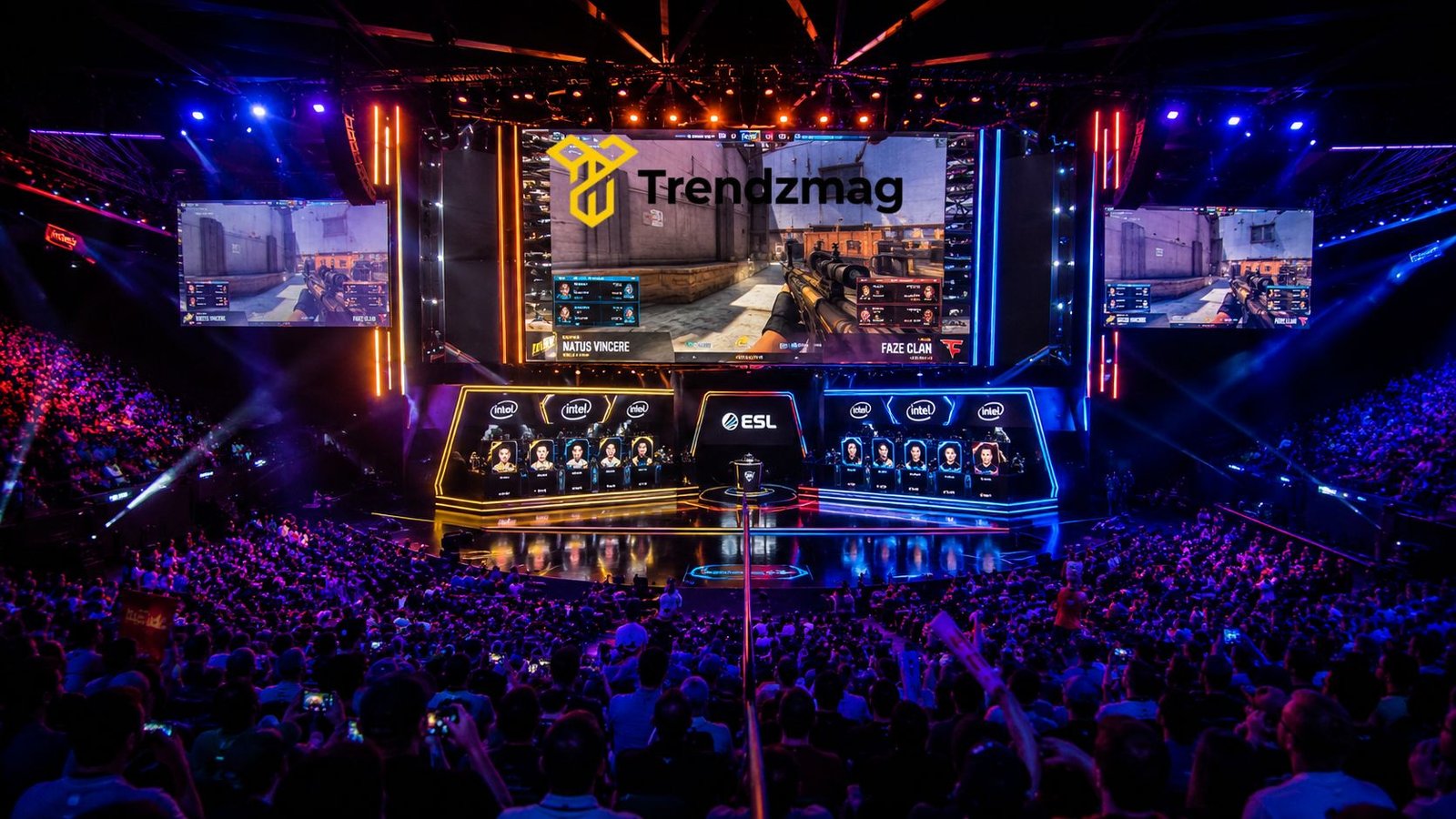
The gaming industry has changed dramatically over the last two decades. What once started as a hobby enjoyed in bedrooms, internet cafés, and small local tournaments has now become one of the world’s biggest entertainment industries. Competitive gaming is no longer a niche activity. Today, esports fills massive arenas, attracts millions of online viewers, and creates career opportunities for players, streamers, coaches, analysts, and media professionals.
At the center of this digital transformation is gaming journalism. Fans now rely on fast and reliable platforms to stay updated with tournament results, player transfers, game updates, and industry trends. This is where esports news dualmedia enters the conversation. The growing interest around esports-focused media platforms shows how important gaming news has become in modern entertainment culture.
Modern gaming is not just about playing anymore. It is about communities, live events, online personalities, streaming culture, and real-time interaction between fans and players. As esports continues to grow globally, platforms covering gaming news are becoming more influential than ever before.
This article explores the rise of modern gaming, the importance of esports media, and how esports news dualmedia reflects the changing future of digital entertainment.
BIO
| Label | Information |
|---|---|
| Topic | Esports News DualMedia |
| Industry | Gaming and Esports |
| Main Focus | Esports news and updates |
| Content Type | Gaming journalism |
| Audience | Gamers and esports fans |
| Coverage | Tournaments and players |
| Popular Topics | Streaming and gaming culture |
| Gaming Style | Competitive online gaming |
| Community Reach | Global gaming audience |
| Key Benefit | Fast gaming information |
| Media Platforms | Websites and social media |
| Industry Growth | Rapidly expanding worldwide |
| Future Trend | Digital esports entertainment |
The Evolution of Modern Gaming
From Small Competitions to Global Events
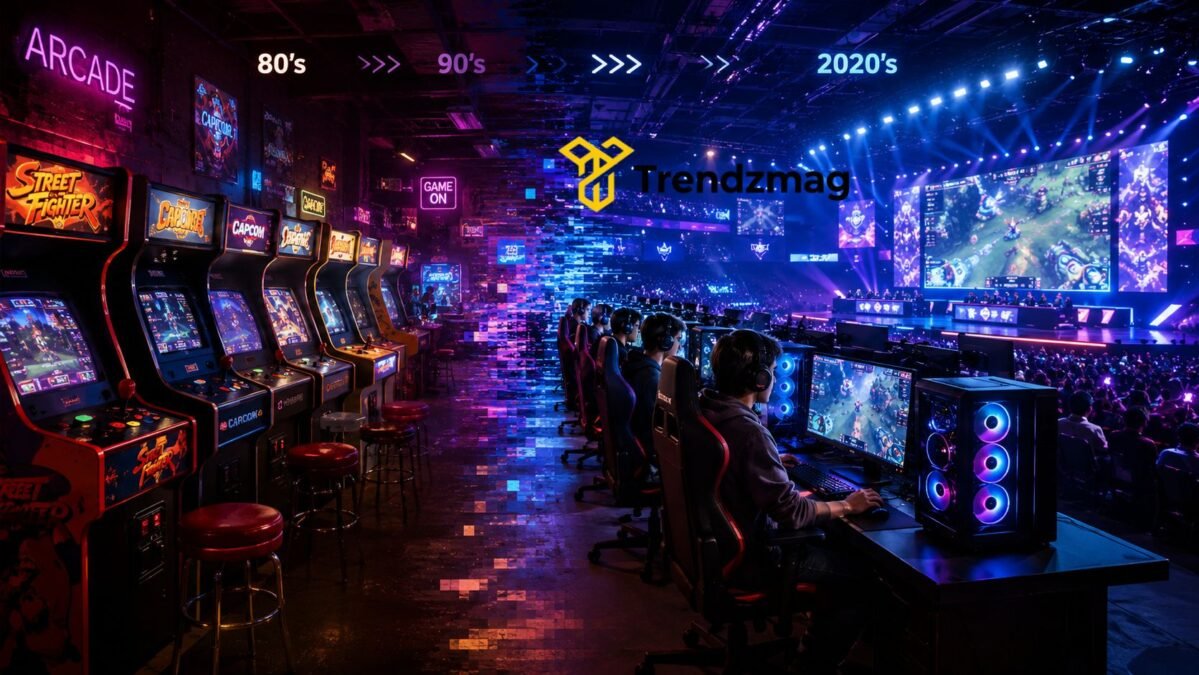
Gaming competitions existed long before esports became a mainstream term. In the early years, arcade gaming created the first competitive environments where players challenged each other for high scores. Later, home consoles and local area network gaming introduced multiplayer competition on a larger scale.
The arrival of faster internet completely changed the industry. Players could suddenly compete with others from different countries in real time. This created the foundation for modern esports. Games like Counter-Strike, StarCraft, and Warcraft helped shape the early competitive gaming scene.
Over time, esports tournaments became larger and more professional. International championships now offer prize pools worth millions of dollars. Teams sign professional contracts with players, while sponsors invest heavily in tournaments and gaming organizations.
The esports audience has also grown rapidly. Millions of viewers now watch tournaments online through livestream platforms. Some major esports finals attract viewership numbers comparable to traditional sporting events.
Streaming Changed Everything
The growth of livestreaming completely transformed gaming culture. Platforms like Twitch and YouTube Gaming allowed players to broadcast their gameplay directly to global audiences. Suddenly, gamers were no longer just players. Many became entertainers, influencers, and public personalities.
Streaming created a stronger connection between gaming communities and esports professionals. Fans could watch tournaments live, interact with streamers in real time, and follow their favorite players daily. This direct interaction helped esports become more personal and community-driven.
Streaming also changed how gaming news spreads online. Tournament highlights, viral moments, player interviews, and breaking updates now travel across social media within minutes. Media platforms covering esports must move quickly to keep audiences informed.
This fast-paced environment explains why reliable gaming journalism is becoming increasingly valuable.
Gaming Became a Major Industry
The gaming industry now generates billions of dollars every year. Revenue comes from tournaments, sponsorships, streaming platforms, advertisements, merchandise, and game publishers. Esports organizations partner with global brands ranging from technology companies to sportswear businesses.
Professional gaming careers are also more accepted today than ever before. Players can earn money through tournament winnings, sponsorship deals, streaming income, and social media partnerships. Beyond professional competition, the industry now supports careers in journalism, video production, game design, event management, and esports coaching.
This growth created a huge demand for trusted gaming coverage. Fans want updates, analysis, and behind-the-scenes stories from reliable sources. That demand helped gaming news platforms expand rapidly across the internet.
Understanding Esports News DualMedia
What It Represents
Esports news dualmedia represents the growing relationship between gaming culture and digital journalism. Modern esports audiences expect fast reporting, accurate tournament updates, player insights, and coverage of gaming trends happening around the world.
Gaming news platforms now do much more than report scores. They cover player stories, esports business developments, streaming culture, social media reactions, and community discussions. They help fans stay connected to a rapidly changing industry.
As esports continues expanding internationally, media platforms focused on gaming have become central to the experience. Fans rely on these outlets to understand what is happening across tournaments, organizations, and gaming communities.
Why Gaming Audiences Follow Esports Media
Gaming fans are highly active online. They constantly search for updates about their favorite games, professional teams, and esports events. Reliable reporting helps audiences stay informed about roster changes, tournament schedules, game updates, and competitive rankings.
Many fans also enjoy reading deeper stories about esports personalities. Behind every professional player is a personal journey filled with pressure, training, competition, and public attention. Human-centered storytelling helps esports feel more relatable and emotional.
Media coverage also builds excitement around major tournaments. Interviews, predictions, match analysis, and community discussions create anticipation before big esports events.
In many ways, esports journalism now shapes how gaming culture is experienced worldwide.
The Influence of Gaming Media
Fast News Matters in Esports
Esports moves incredibly fast. Tournament brackets change daily, game developers release updates regularly, and player transfers happen throughout the year. Because of this speed, gaming audiences expect instant updates.
A single roster change can affect millions of fans across social media. Major tournament results often trend globally within hours. Media platforms covering esports must stay accurate while delivering information quickly.
This environment increased the value of dedicated esports journalism. Fans want trusted coverage instead of rumors or misleading online speculation.
The rise of gaming-focused media platforms reflects the growing maturity of esports as a professional industry.
Social Media and Gaming Culture
Social media plays a massive role in modern gaming culture. Short clips, funny moments, tournament reactions, and livestream highlights spread rapidly across platforms like TikTok, YouTube, Instagram, and X.
Professional players now build personal brands online. Many have millions of followers who watch their streams, comment on their posts, and support their careers. Some esports personalities are as recognizable to young audiences as traditional athletes or entertainers.
Gaming media platforms help amplify these personalities by covering interviews, controversies, achievements, and community reactions.
This constant online engagement keeps esports active even outside tournament seasons.
The Power of Storytelling
Esports is not only about gameplay. Fans also care about stories. They follow underdog teams, comeback victories, rivalries, and player journeys. Human emotion is one reason esports continues attracting larger audiences every year.
Media coverage helps create emotional investment in players and teams. A strong story can turn a tournament match into a global event followed by millions of viewers.
Gaming journalism also helps introduce new audiences to esports by explaining the culture behind competitive gaming.
As esports grows, storytelling becomes just as important as competition itself.
Games Driving the Esports Boom
Battle Royale Games
Battle royale titles changed online gaming by introducing large-scale survival competition. These games combine fast action, teamwork, and unpredictable moments that keep viewers engaged.
Streaming platforms helped battle royale games explode in popularity because they are highly entertaining to watch. Competitive tournaments for these games attract huge audiences and sponsorships.
The excitement surrounding these titles continues influencing modern esports culture.
Multiplayer Strategy Games
Multiplayer online battle arena games remain among the biggest esports genres in the world. These games require teamwork, communication, and long-term strategic thinking.
Professional tournaments for these titles often feature enormous international audiences and some of the largest prize pools in esports history.
Fans enjoy the deep competition and evolving strategies that make every tournament unique.
Tactical Shooter Games
First-person shooter esports remain extremely popular because of their fast pace and intense competition. Tactical shooters reward precision, teamwork, and quick decision-making under pressure.
International leagues for shooter games attract dedicated fanbases across North America, Europe, Asia, and other regions. Major tournaments often become cultural events within the gaming world.
These games continue shaping the future of competitive esports entertainment.
Why Younger Audiences Love Esports
Interactive Entertainment
Unlike traditional sports, esports offers direct interaction between players and fans. Viewers can watch livestreams, join chats, comment during broadcasts, and communicate with creators instantly.
This level of interaction makes gaming feel more personal and engaging for younger audiences raised in digital environments.
Fans feel connected to players in ways that traditional media rarely allows.
Online Communitie
Gaming communities create friendships and social experiences that extend beyond competition. Many players meet online teammates, share strategies, and participate in discussions through forums, Discord servers, and social platforms.
For many young people, gaming communities provide entertainment, social interaction, and a sense of belonging.
Esports media platforms help strengthen these communities by giving fans a shared space for news and conversation.
Career Inspiration
Modern gaming also inspires career ambitions. Many young players dream of becoming professional gamers, streamers, content creators, or esports analysts.
The industry now offers opportunities far beyond competitive gameplay. Careers exist in broadcasting, journalism, production, graphic design, marketing, and esports management.
This growing ecosystem makes gaming feel like a realistic professional path for many people.
Challenges Facing the Esports Industry
Toxicity and Online Harassment
Despite its growth, esports still faces major challenges. Toxic behavior, online harassment, and unhealthy competition remain serious concerns in gaming communities.
Players, streamers, and even journalists often deal with negativity online. Platforms and organizations continue working to improve moderation and encourage healthier community environments.
Creating respectful gaming spaces will remain important as esports expands further.
Mental Pressure on Players
Professional esports competition can be mentally exhausting. Many players train for long hours every day while dealing with public expectations and performance pressure.
Burnout is becoming a growing conversation within esports. Some professional players retire at surprisingly young ages because of stress and demanding schedules.
Mental health awareness is becoming more important throughout the gaming industry.
The Need for Trusted Journalism
Misinformation spreads quickly online, especially in fast-moving industries like esports. Rumors about player transfers, tournament changes, or controversies often appear before facts are confirmed.
Reliable esports journalism helps audiences separate truth from speculation. Accurate reporting builds trust within gaming communities.
As esports grows larger, professional journalism will become even more important.
The Future of Esports News DualMedia
Global Expansion
Esports is becoming increasingly international. Tournaments now attract audiences from every continent, while professional organizations recruit players from around the world.
Gaming media platforms must adapt to global audiences by covering international events and understanding different gaming cultures.
The future of esports journalism will likely become even more multilingual and globally connected.
Technology Will Keep Changing Gaming
Emerging technologies like virtual reality, artificial intelligence, and cloud gaming could reshape esports over the next decade. Gaming experiences are becoming more immersive and interactive every year.
Broadcast technology is also improving rapidly. Viewers now expect high-quality streams, real-time statistics, and interactive tournament coverage.
Media platforms focused on esports will continue evolving alongside these technological changes.
Stronger Digital Communities
Gaming communities are becoming more connected through livestreaming, social media, and virtual events. Fans no longer just watch esports. They actively participate in conversations surrounding it.
This deeper engagement creates stronger loyalty between audiences, players, and gaming brands.
Esports media platforms will continue playing a key role in keeping these communities informed and connected.
FAQs
What is esports news dualmedia?
Esports news dualmedia refers to gaming-focused media coverage that shares updates about esports tournaments, players, streaming culture, and modern gaming trends. It helps fans stay informed about the fast-changing esports industry.
Why is esports becoming so popular worldwide?
Esports has grown because of online streaming, competitive gaming communities, and global tournaments. Millions of fans now watch esports events just like traditional sports, making gaming a major entertainment industry.
How do esports media platforms help gaming fans?
Gaming media platforms provide tournament results, player news, game updates, and industry insights. They also create stronger connections between esports communities and professional players.
Can people build careers in esports besides gaming?
Yes, the esports industry offers careers in streaming, journalism, coaching, event management, video editing, marketing, and content creation. Modern gaming now supports many professional opportunities.
What challenges does the esports industry still face?
Esports still deals with issues like online toxicity, player burnout, and misinformation. Many organizations are now focusing on mental health awareness and creating healthier gaming communities.
Final Thoughts
The rise of modern gaming has transformed esports from a niche hobby into a global entertainment industry. Competitive gaming now influences media, technology, online culture, and even career opportunities for millions of people worldwide.
As the industry grows, platforms connected to esports news dualmedia reflect the increasing importance of gaming journalism in today’s digital world. Fans no longer want simple tournament results alone. They want stories, analysis, player insights, and community discussions that help them feel part of the esports experience.
Gaming culture continues evolving rapidly, and esports media is evolving with it. From livestream coverage to social media engagement, modern gaming journalism now shapes how fans interact with competitive esports every day.
The future of esports looks stronger than ever. With expanding global audiences, advancing technology, and growing community engagement, gaming has firmly established itself as one of the defining entertainment industries of the modern era.