
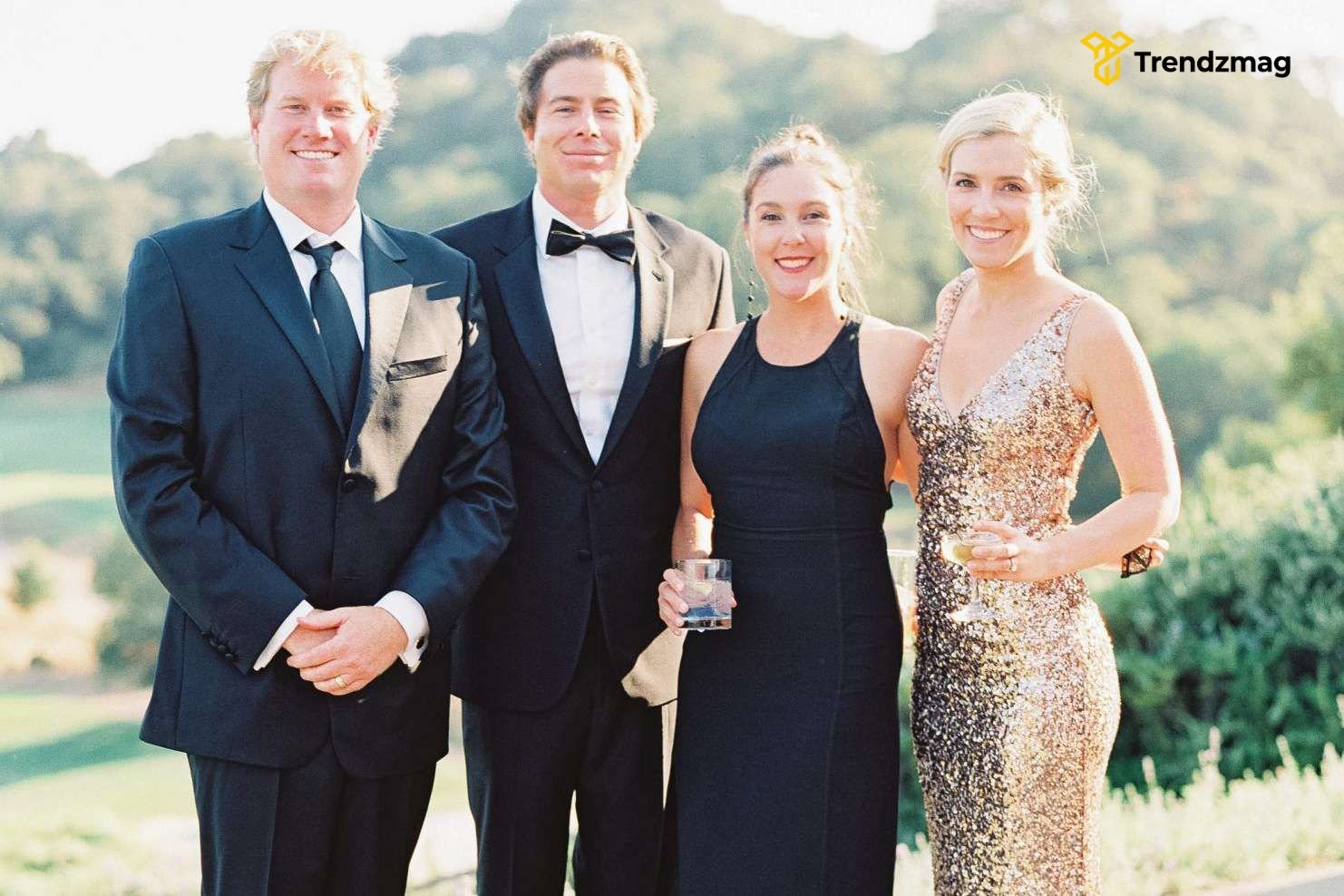
Introduction
The black tie dress code is one of the most recognized formal dress standards in the world. Whether you are attending a wedding, gala dinner, charity event, award ceremony, or upscale celebration, understanding black tie expectations can help you feel confident and appropriately dressed.
Many people assume black tie simply means wearing something formal, but the reality is more specific. Traditional black tie attire follows established fashion guidelines that emphasize elegance, sophistication, and attention to detail. While modern interpretations have become slightly more flexible, the core principles remain unchanged.
This guide explains everything you need to know about the black tie dress code, including essential clothing choices for both men and women, common mistakes to avoid, and practical tips for dressing appropriately for any formal occasion.
BIO
| Label | Information |
|---|---|
| Topic | Black Tie Dress Code |
| Category | Fashion & Etiquette |
| Dress Code Type | Formal Evening Wear |
| Main Purpose | Elegant Event Attire |
| Traditional Men’s Wear | Black Tuxedo |
| Traditional Women’s Wear | Evening Gown |
| Recommended Footwear | Formal Dress Shoes |
| Key Accessory for Men | Black Bow Tie |
| Common Event Types | Weddings, Galas, Awards |
| Popular Colors | Black, Navy, Jewel Tones |
| Style Focus | Sophistication and Elegance |
| Modern Flexibility | Some Contemporary Variations |
| Best Practice | Follow Event Instructions |
What Is a Black Tie Dress Code?
A black tie dress code is a formal evening dress standard that originated in the nineteenth century. It was introduced as a slightly less formal alternative to white tie attire while still maintaining a refined appearance.
Today, black tie remains the preferred dress code for prestigious social gatherings and formal celebrations. Event hosts use the term to signal that guests should wear elegant evening clothing rather than ordinary business or cocktail attire.
The primary purpose of black tie fashion is to create a polished and unified atmosphere where guests appear sophisticated and respectful of the occasion.
Understanding Modern Black Tie Expectations
While traditional black tie rules remain influential, modern fashion has introduced some flexibility. Guests are still expected to dress formally, but personal style and contemporary trends can often be incorporated without violating the spirit of the dress code.
For men, the tuxedo remains the gold standard. For women, floor-length gowns continue to be the most common choice, although elegant alternatives are increasingly accepted.
The most important factor is maintaining an overall appearance of refinement and elegance. Casual clothing, everyday business wear, and overly trendy outfits typically do not meet black tie expectations.
Black Tie Dress Code Essentials for Men
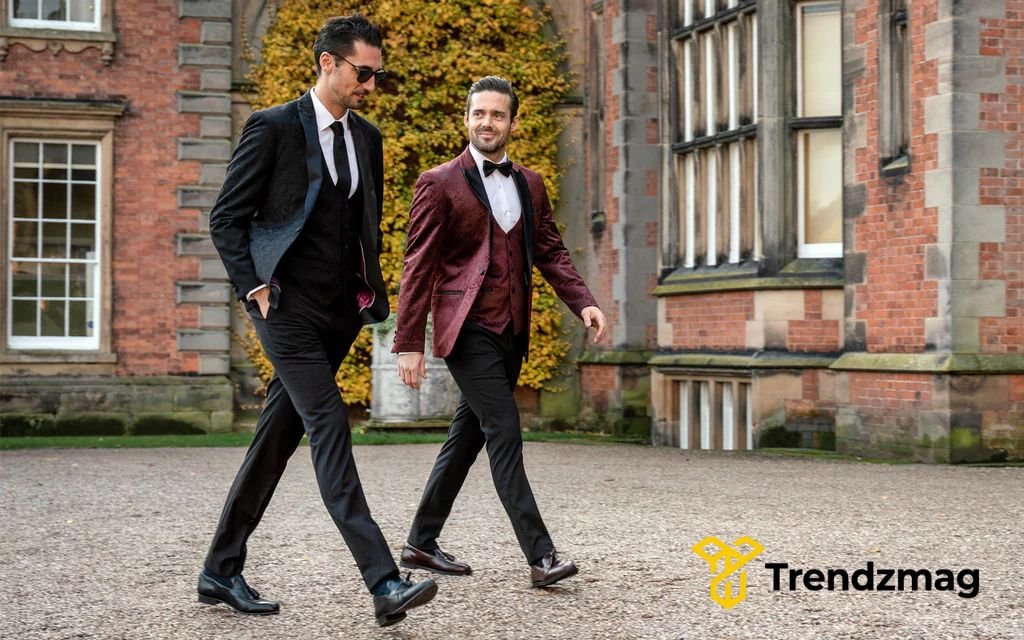
The Tuxedo
The tuxedo is the foundation of men’s black tie attire. Traditionally, it consists of a black or midnight blue jacket paired with matching trousers featuring a satin stripe along the outer seam.
A properly tailored tuxedo creates a clean silhouette and instantly elevates a man’s appearance. Fit is especially important. Even an expensive tuxedo can look unpolished if it does not fit correctly.
Single-breasted tuxedos are the most versatile option and work well for most formal occasions. Double-breasted styles offer a slightly more dramatic and traditional appearance.
The Dress Shirt
A white dress shirt is the standard choice for black tie events. Formal shirts typically feature a structured collar and may include pleated or textured fronts.
The shirt should fit comfortably without appearing loose or restrictive. Crisp fabric and careful pressing contribute significantly to the overall presentation.
Since the shirt serves as the backdrop for other accessories, maintaining a clean and polished look is essential.
The Bow Tie
The bow tie is one of the defining elements of black tie attire. Traditional black silk bow ties remain the preferred option for formal occasions.
Many style experts favor self-tied bow ties because they offer a more authentic appearance. However, high-quality pre-tied versions can also look appropriate when selected carefully.
A properly proportioned bow tie complements the tuxedo without drawing excessive attention.
Formal Footwear
Footwear plays a crucial role in completing a black tie outfit. Patent leather dress shoes have long been considered the traditional choice.
Polished black Oxford shoes are also widely accepted and provide a timeless appearance. Regardless of style, shoes should be clean, well-maintained, and suitable for formal events.
Worn-out footwear can detract from an otherwise elegant ensemble.
Accessories
Accessories add personality while maintaining sophistication.
Common black tie accessories include:
- Pocket squares
- Cufflinks
- Formal studs
- Waistcoats
- Cummerbunds
- Elegant dress watches
The key is restraint. Accessories should enhance the outfit rather than dominate it.
Grooming Matters
Even the finest tuxedo cannot compensate for poor grooming. Hair should be neatly styled, facial hair should be trimmed, and personal hygiene should receive careful attention.
A polished appearance demonstrates respect for the event and contributes to overall confidence throughout the evening.
Black Tie Dress Code Essentials for Women
Evening Gowns
For women, the evening gown remains the most traditional black tie option. Floor-length dresses are particularly popular because they align with the formal nature of black tie events.
Elegant fabrics such as silk, satin, velvet, chiffon, and crepe are commonly chosen for formal occasions. These materials create movement and sophistication while maintaining a luxurious appearance.
The ideal gown balances elegance with comfort, allowing the wearer to enjoy the event without feeling restricted.
Sophisticated Alternatives
Although floor-length gowns are traditional, modern black tie events sometimes allow refined alternatives.
Formal midi dresses, tailored evening jumpsuits, and designer separates may be acceptable depending on the occasion. However, these options should still convey the same level of sophistication as a traditional gown.
When uncertain, choosing a classic evening dress remains the safest approach.
Formal Shoes
Shoes should complement the outfit while remaining comfortable enough for several hours of wear.
Popular options include:
- Classic pumps
- Formal heels
- Elegant sandals
- Closed-toe evening shoes
Neutral metallic tones, black, and other timeless colors often pair well with black tie attire.
Jewelry and Accessories
Accessories help complete a formal look without overwhelming it.
Women commonly choose:
- Statement earrings
- Delicate necklaces
- Elegant bracelets
- Evening clutches
- Formal wraps or shawls
Selecting one or two standout accessories often creates a more refined effect than wearing multiple bold pieces simultaneously.
Hair and Makeup
Black tie events provide an opportunity for elevated beauty styling.
Classic hairstyles such as soft waves, elegant buns, and polished updos remain popular choices. Makeup should complement the outfit while highlighting natural features.
The goal is sophistication rather than excess.
Choosing Appropriate Colors
Color selection influences the overall impression of a black tie outfit.
For men, black remains the traditional choice, while midnight blue tuxedos have gained popularity for their subtle distinction and elegance.
Women enjoy greater flexibility in color selection. Deep jewel tones, classic black, navy, emerald, burgundy, silver, and champagne shades often work beautifully in formal settings.
Bright neon colors and extremely casual prints generally feel out of place at traditional black tie events.
Common Black Tie Mistakes
One of the most frequent mistakes is confusing black tie with standard formal wear.
Men sometimes arrive wearing ordinary business suits when a tuxedo is expected. While a dark suit may be acceptable for some black tie optional events, it does not fully meet traditional black tie standards.
Women occasionally choose dresses that are too casual, too short, or overly revealing for the occasion.
Another common mistake is ignoring grooming details. Wrinkled clothing, unpolished shoes, and poorly coordinated accessories can undermine an otherwise elegant outfit.
Attention to detail is often what separates a good black tie look from an exceptional one.
Dressing for Different Black Tie Events
Not all black tie occasions are identical. A wedding, charity gala, and corporate awards ceremony may each have slightly different expectations.
Wedding guests should respect the couple’s chosen level of formality while avoiding attire that distracts from the celebration.
Charity galas often encourage glamorous styling while maintaining traditional elegance.
Corporate black tie events generally favor a more conservative and polished appearance.
Understanding the nature of the event helps ensure your outfit feels appropriate and respectful.
Black Tie Optional vs Black Tie
Many people confuse these two dress codes.
A black tie dress code typically indicates that formal evening wear is expected. Men are generally expected to wear tuxedos, while women are encouraged to wear evening gowns or similarly formal attire.
Black tie optional offers slightly more flexibility. Men may choose between a tuxedo and a dark formal suit, while women can select from a wider range of formal dresses.
When deciding between the two, always follow the wording provided by the host.
Budget-Friendly Black Tie Style
Looking elegant does not always require a large budget.
Renting a tuxedo can be a practical option for men who rarely attend formal events. Many rental services provide high-quality garments that closely resemble custom pieces.
Women can often find beautiful evening dresses through rental services, sample sales, or designer outlet collections.
Investing in versatile accessories can also help create multiple formal looks without purchasing entirely new outfits for every occasion.
Final Thoughts
The black tie dress code represents timeless elegance, sophistication, and respect for special occasions. Although modern interpretations have introduced some flexibility, the fundamental principles remain unchanged.
For men, a well-fitted tuxedo, formal shirt, black bow tie, and polished footwear create a classic black tie appearance. For women, elegant evening gowns, refined accessories, and thoughtful styling help achieve the perfect balance of glamour and sophistication.
Ultimately, confidence comes from understanding the expectations of the event and dressing accordingly. By focusing on quality, fit, and attention to detail, both men and women can navigate any black tie occasion with ease and style.
Frequently Asked Questions
Can I wear a regular suit to a black tie event?
A traditional black tie event usually calls for a tuxedo. However, if the invitation says “black tie optional,” a dark, well-tailored suit may be acceptable.
What should women wear to a black tie event?
Women typically wear floor-length evening gowns or elegant formal dresses. Sophisticated jumpsuits and formal separates may also be suitable for some modern black tie occasions.
Are black shoes required for a black tie dress code?
For men, black formal shoes are the standard choice and pair best with a tuxedo. Women have more flexibility but should choose elegant footwear that complements their outfit.
Can I wear a necktie instead of a bow tie?
A black bow tie is the traditional option for black tie attire. While some modern events may allow a necktie, a bow tie remains the most appropriate and classic choice.
What is the difference between black tie and black tie optional?
Black tie generally requires formal evening wear, including a tuxedo for men. Black tie optional offers more flexibility, allowing men to wear a dark suit and women to choose from a wider range of formal outfits.