
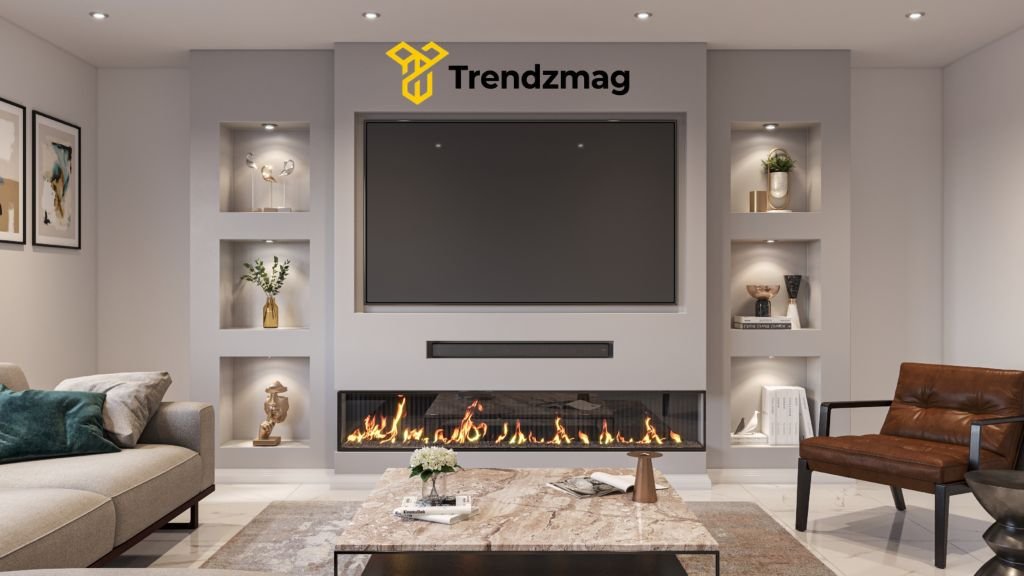
Introduction: The Rise of the Modern Media Wall
A media wall has become one of the most defining features of modern home interiors. It is no longer just a place to mount a television; it has evolved into a complete design statement that blends functionality with aesthetics. In many homes today, especially open-plan living spaces, the media wall acts as the central visual anchor of the room.
Interior designers often highlight that homeowners are shifting toward cleaner, more organized living spaces. Instead of scattered TV units, cables, and storage boxes, people now prefer a structured feature wall that hides clutter while enhancing the overall atmosphere. A well-designed media wall can completely transform a simple living room into a stylish, luxury-inspired environment without requiring a full renovation of the space.
This article explores practical design ideas, materials, styling tips, and expert insights to help you understand how to create a visually appealing and functional media wall that suits your home interior perfectly.
BIO
| Label | Information |
|---|---|
| Topic | Media Wall Interior Design |
| Purpose | Stylish TV and storage setup |
| Type | Built-in feature wall |
| Main Use | Entertainment and organization |
| Key Benefit | Clean and modern living space |
| Popular Materials | Wood, MDF, marble |
| Lighting Option | LED backlighting |
| Design Style | Modern, minimalist, luxury |
| Ideal Room | Living room or lounge area |
| Storage Feature | Hidden cabinets and shelves |
| Installation | DIY or professional setup |
| Trend Level | High in modern home design |
What Is a Media Wall in Interior Design
A media wall is a customized wall installation designed to house a television, entertainment system, storage units, and decorative elements in one integrated structure. Unlike traditional TV units that sit on the floor, a media wall is built into the architecture of a room.
It typically includes a mounted TV, concealed wiring, shelving for décor, and sometimes built-in lighting or fireplaces. The purpose is not only practical but also visual—creating a seamless focal point that enhances interior harmony.
In modern interior design practices, media walls are considered part of “feature wall design,” where a single wall is enhanced using materials, textures, and lighting to stand out while maintaining balance with the rest of the room.
Why Media Walls Are Becoming So Popular
The popularity of the media wall trend is driven by lifestyle changes and modern design preferences. Homes today are more focused on minimalism, smart storage, and visual clarity.
One of the main reasons homeowners choose media walls is their ability to reduce clutter. Traditional TV setups often involve visible cables, multiple devices, and bulky furniture. A media wall eliminates these issues by integrating everything into one structured design.
Another reason is aesthetics. A media wall creates a polished, high-end look similar to luxury interiors seen in modern apartments and designer homes. It also increases property appeal, as potential buyers often appreciate well-designed living spaces with built-in features.
Lastly, media walls provide flexibility. Whether a home is small or large, the design can be customized to fit space requirements, making it a practical solution for almost any interior.
Best Media Wall Ideas for Modern Homes
Minimalist Media Wall Design
A minimalist media wall focuses on simplicity, clean lines, and subtle elegance. This design avoids unnecessary decoration and instead emphasizes smooth surfaces and neutral tones like white, beige, or light grey.
Storage is usually hidden behind flat panels, keeping the appearance clean and uncluttered. Floating shelves may be added sparingly for decorative items like small plants or books.
This style works especially well in modern apartments where space and simplicity are priorities.
Wooden Media Wall for a Warm Interior Feel
Wood is one of the most timeless materials used in interior design, and it works beautifully for a media wall. A wooden finish adds warmth, texture, and a natural feel to the living space.
Designers often use oak, walnut, or engineered wood panels to create a balanced combination of modern and traditional aesthetics. The grain patterns in wood help soften the appearance of electronic devices, making the space feel more inviting.
This type of media wall is ideal for family living rooms where comfort and coziness are important.
Luxury Marble Media Wall Design
For homeowners who prefer a high-end interior look, a marble media wall offers a sophisticated solution. Marble instantly elevates the space with its natural patterns and polished surface.
It is often paired with metallic accents like gold or black trims to enhance its luxury appeal. This style is commonly seen in upscale homes and modern villas where elegance is a key design priority.
While marble designs are more expensive, they provide long-term durability and a timeless aesthetic that rarely goes out of style.
LED Backlit Media Wall for a Modern Glow
Lighting plays a crucial role in modern interior design, and a media wall with LED backlighting creates a cinematic and visually striking effect.
LED strips are often installed behind panels or shelves to produce a soft glow around the TV area. This not only enhances visual appeal but also reduces eye strain when watching television in low light conditions.
Color-changing LED systems are also becoming popular, allowing homeowners to adjust the mood of the room based on time or occasion.
Space-Saving Media Wall for Small Rooms
In smaller homes or apartments, space optimization is essential. A compact media wall design helps utilize vertical space efficiently without overcrowding the room.
Designers often combine slim shelving units, wall-mounted TVs, and hidden storage compartments to keep everything organized while maintaining a lightweight visual appearance.
This approach ensures that even small living rooms feel structured, modern, and functional without feeling cramped.
Materials Used in Media Wall Construction
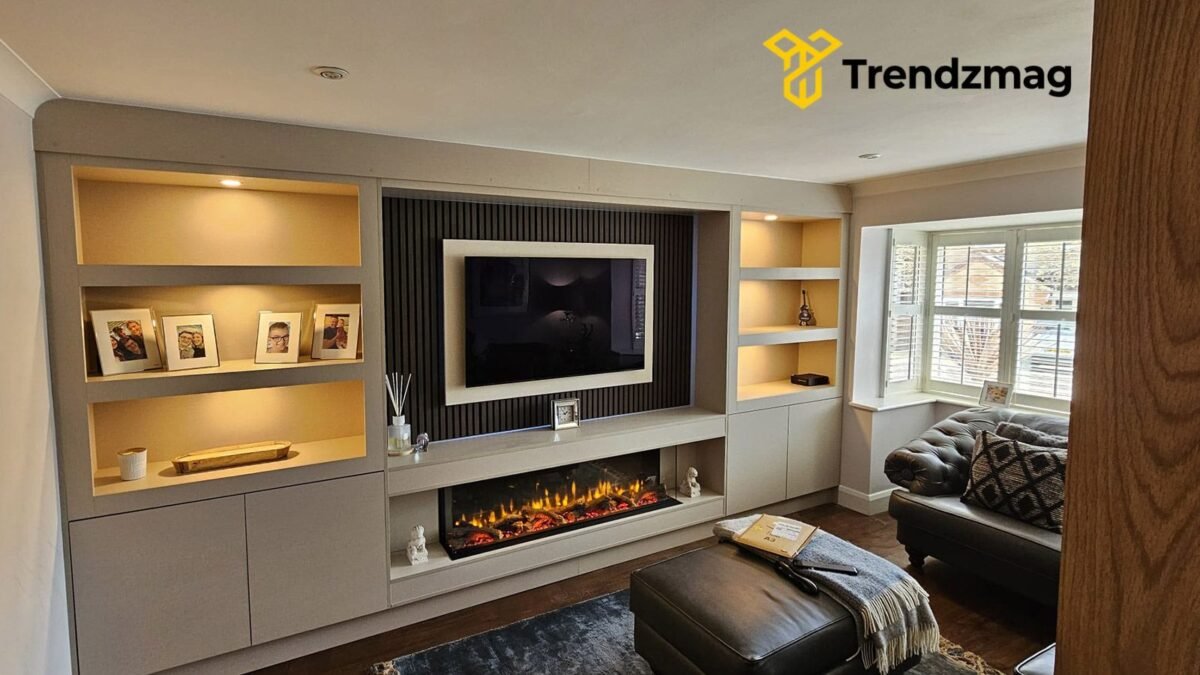
Choosing the right materials for a media wall is essential for durability, appearance, and maintenance.
MDF boards are commonly used because they are cost-effective and easy to shape into custom designs. Wood panels are preferred for natural aesthetics, while marble or stone is used for luxury interiors.
Glass and metal accents are also incorporated in modern designs to create contrast and add a contemporary feel. Each material offers different advantages depending on budget, style, and long-term maintenance requirements.
Professionals often recommend combining materials to achieve balance—for example, wood with LED lighting or marble with matte finishes.
Smart Storage and Functionality Features
A well-designed media wall is not only about appearance but also functionality. Storage plays a key role in maintaining a clean environment.
Hidden cabinets are often installed to store remotes, gaming consoles, and cables. This prevents visual clutter and keeps the focus on the design itself.
Open shelving can be used for decorative items such as photo frames, vases, or books. Some modern media walls even integrate sound systems or smart home devices for added convenience.
The goal is to create a unified system where entertainment and storage work together seamlessly.
Lighting Techniques for Better Visual Impact
Lighting can completely change the appearance of a media wall. Designers use different lighting techniques to enhance depth and mood.
Warm lighting creates a cozy and relaxing atmosphere, making it ideal for family rooms. Cool lighting, on the other hand, adds a modern and sharp appearance suitable for minimalist interiors.
Backlit panels behind the TV are especially popular as they create a floating effect. This technique reduces harsh shadows and improves viewing comfort during evening hours.
Proper lighting design ensures that the media wall remains visually appealing both during the day and at night.
Styling Tips for a Balanced Media Wall Design
A successful media wall design requires balance between functionality and aesthetics. One common mistake is overloading the wall with too many decorative elements.
Interior designers recommend sticking to a consistent color palette that matches the rest of the room. The TV size should also be proportionate to the wall to avoid visual imbalance.
Spacing is another important factor. Proper gaps between shelves, cabinets, and the TV help create a structured and organized appearance.
Simple styling choices often lead to the most elegant results.
Common Mistakes to Avoid in Media Wall Design
Many homeowners make design mistakes when planning a media wall. One of the most common issues is poor cable management, which can ruin the clean appearance of the setup.
Another mistake is choosing materials that do not match the room’s overall style. For example, a heavy marble wall may feel out of place in a small, minimalist space.
Overcrowding shelves with decorations can also reduce visual appeal. A media wall should feel balanced, not cluttered.
Careful planning and professional guidance can help avoid these issues.
Cost and Planning Considerations
The cost of a media wall varies widely depending on materials, size, and complexity. Basic designs using MDF and simple shelving are more affordable, while custom-built marble or wooden walls require higher investment.
Labor costs also depend on customization and installation difficulty. It is important to plan a budget in advance and prioritize essential features such as structure, storage, and lighting.
A well-planned media wall can be a long-term investment that enhances both comfort and property value
DIY vs Professional Installation
Some homeowners prefer building a media wall themselves, especially for simple designs. DIY projects can reduce costs and allow more personal customization.
However, professional installation ensures precision, safety, and better finishing. Experts also handle electrical wiring and structural alignment, which are critical for long-term durability.
For complex designs involving lighting, stonework, or built-in systems, hiring a professional is usually the better option.
FAQs About Media Wall Ideas and Design
What is a media wall used for?
A media wall is used to combine a television setup, storage, and decorative elements into one structured design. It helps create a clean, organized, and modern focal point in a living room while hiding cables and devices.
Is a media wall suitable for small rooms?
Yes, a media wall can be designed for small spaces. Compact layouts with slim shelves and wall-mounted TVs help save floor space while still providing storage and a stylish look without making the room feel crowded.
What materials are best for a media wall?
Common materials include MDF for budget-friendly designs, wood for a warm look, and marble or stone for luxury interiors. The choice depends on budget, style preference, and durability needs.
Can I add lighting to a media wall?
Yes, LED lighting is often added to media walls. It improves visual appeal, creates a modern atmosphere, and enhances the viewing experience, especially in low-light conditions.
Do I need a professional to build a media wall?
It depends on the design complexity. Simple setups can be done DIY, but for advanced designs with wiring, lighting, or built-in storage, a professional installation is recommended for safety and quality finishing.
Conclusion: Creating a Stylish and Functional Media Wall
A thoughtfully designed media wall is more than just an interior feature; it is a combination of style, technology, and functionality. It brings structure to living spaces while enhancing visual appeal and everyday convenience.
From minimalist layouts to luxury marble finishes, there are endless design possibilities that can suit different home styles and budgets. The key is to maintain balance, focus on functionality, and choose materials that align with your overall interior theme.