
Introduction
When choosing flooring for a home or commercial space, durability, appearance, and affordability are often the top priorities. Over the past decade, Luxury Vinyl Tile, commonly known as LVT flooring, has become one of the most popular flooring options available. It offers the visual appeal of natural materials such as hardwood and stone while providing excellent durability and lower maintenance requirements.
Many homeowners ask, what is LVT flooring, and why has it become such a preferred choice among interior designers, builders, and property owners? The answer lies in its combination of practicality, versatility, and modern manufacturing technology.
This guide explores everything you need to know about LVT flooring, including its construction, benefits, costs, key features, installation options, and potential drawbacks.
BIO
| Label | Information |
|---|---|
| Topic | What Is LVT Flooring |
| Full Name | Luxury Vinyl Tile Flooring |
| Flooring Type | Resilient flooring |
| Main Purpose | Durable floor covering |
| Appearance | Mimics wood, stone, or tile |
| Water Resistance | Waterproof in most products |
| Durability | Highly durable |
| Installation Methods | Click-lock, glue-down, loose-lay |
| Maintenance | Easy to clean |
| Comfort Level | Softer than tile |
| Best Locations | Kitchens, bathrooms, living rooms |
| Average Lifespan | 15–25 years or more |
| Cost Range | Budget to premium options |
What Is LVT Flooring?
LVT stands for Luxury Vinyl Tile, a premium type of vinyl flooring designed to replicate the appearance of natural flooring materials. Unlike traditional vinyl sheets, LVT comes in individual planks or tiles that closely resemble hardwood, ceramic tile, marble, slate, and other natural surfaces.
The flooring is manufactured using multiple layers that work together to create a durable and attractive surface. Advanced printing technology allows manufacturers to reproduce realistic textures, grain patterns, and colors that are often difficult to distinguish from genuine materials.
One of the main reasons for its popularity is that it provides the aesthetic appeal of luxury flooring without the high cost and maintenance associated with natural products.
How LVT Flooring Is Made
Understanding the structure of LVT flooring helps explain its performance and durability.
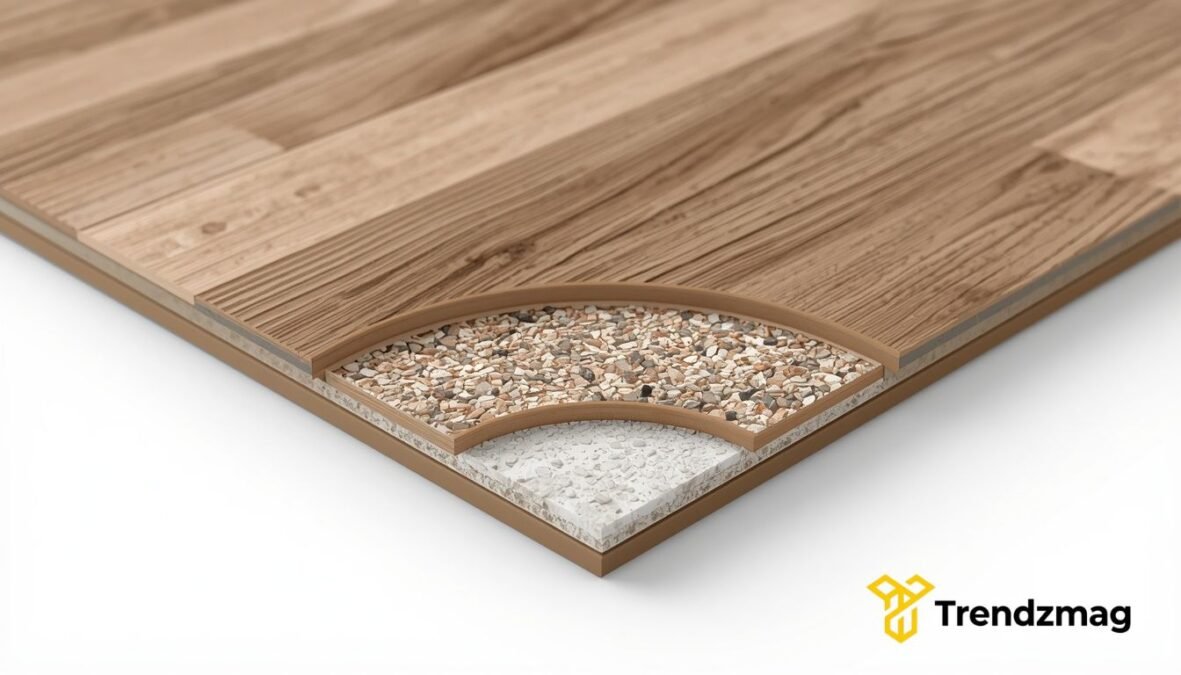
Most LVT products consist of several layers.
The bottom layer acts as a backing and provides stability. Above this sits the core layer, which gives the flooring its strength and shape. A printed design layer creates the realistic appearance of wood, stone, or tile. Finally, a transparent wear layer protects the surface from scratches, stains, and daily wear.
Higher-quality LVT products often include enhanced protective coatings that improve resistance to moisture, fading, and scuff marks.
This layered construction is one of the reasons LVT flooring performs so well in busy households and commercial environments.
Types of LVT Flooring
Several types of LVT flooring are available to suit different installation needs and budgets.
Glue-down LVT is attached directly to the subfloor using adhesive. This option is commonly used in commercial settings because of its stability and durability.
Click-lock LVT features interlocking edges that snap together without glue. It is one of the most popular choices for residential projects because installation is relatively straightforward.
Loose-lay LVT relies on weight and friction to stay in place. It is easy to install and replace when necessary.
Rigid-core LVT contains a stronger core structure that offers enhanced stability and resistance to dents. It performs especially well in areas with temperature fluctuations.
Each option has advantages depending on the room, budget, and installation requirements.
Key Features of LVT Flooring
LVT flooring offers several features that have contributed to its growing popularity.
Realistic Appearance
One of the biggest advantages of modern LVT flooring is its ability to replicate natural materials. Manufacturers use advanced imaging technology to create authentic wood grain patterns, stone textures, and tile designs.
Many premium products even include embossed surfaces that feel similar to real wood or stone underfoot.
This realistic appearance allows homeowners to achieve a high-end look without paying premium flooring prices.
Waterproof Protection
Unlike hardwood flooring, LVT flooring is highly resistant to water. Many products are completely waterproof, making them suitable for kitchens, bathrooms, laundry rooms, and basements.
Water resistance helps prevent swelling, warping, and damage caused by spills or humidity.
For families with children or pets, this feature provides valuable peace of mind.
Exceptional Durability
Durability is one of the strongest selling points of LVT flooring.
The protective wear layer helps resist scratches, dents, stains, and general wear. This makes it ideal for high-traffic areas such as hallways, living rooms, offices, and retail spaces.
With proper care, quality LVT flooring can maintain its appearance for many years.
Comfortable Underfoot
Compared to ceramic tile and natural stone, LVT flooring feels softer and warmer underfoot.
The resilient construction provides slight cushioning, making it more comfortable for people who spend long periods standing in kitchens or workspaces.
Many homeowners appreciate this added comfort in everyday living areas.
Noise Reduction
LVT flooring helps absorb sound better than many hard flooring materials.
This feature can reduce footstep noise and improve overall comfort within the home. Apartments, multi-story homes, and office environments often benefit from this quieter flooring option.
Easy Maintenance
Keeping LVT flooring clean is simple.
Regular sweeping and occasional damp mopping are usually enough to maintain its appearance. Unlike hardwood floors, LVT does not require sanding, refinishing, or specialized treatments.
This low-maintenance nature makes it an attractive option for busy households.
Benefits of LVT Flooring
The combination of performance and affordability makes LVT flooring appealing to a wide range of consumers.
Cost-Effective Flooring Solution
Natural hardwood, stone, and ceramic flooring can be expensive to purchase and install.
LVT flooring offers a similar visual appearance at a significantly lower cost. Homeowners can achieve a luxurious look without exceeding their renovation budget.
The lower installation costs further enhance its value.
Wide Design Selection
One of the greatest benefits of LVT flooring is design flexibility.
Manufacturers offer countless styles, colors, textures, and finishes. Whether you prefer traditional oak, rustic farmhouse designs, sleek modern stone, or contemporary tile patterns, there is likely an LVT option that matches your vision.
This versatility allows homeowners to customize their interiors without compromising functionality.
Easy Installation
Many LVT products are designed with user-friendly installation systems.
Click-lock planks and tiles can often be installed without specialized tools, making them popular among DIY enthusiasts.
Professional installation is also generally faster than installing hardwood or ceramic tile, reducing labor expenses.
Long Lifespan
High-quality LVT flooring can last between 15 and 25 years or more depending on product quality, usage, and maintenance.
Its durability makes it a worthwhile investment for homeowners seeking long-term value.
Suitable for Various Spaces
LVT flooring performs well in numerous environments.
It works effectively in kitchens because of its water resistance. Bathrooms benefit from its waterproof properties. Living rooms and bedrooms enjoy its comfort and aesthetic appeal.
Commercial properties also frequently use LVT due to its durability and ease of maintenance.
How Much Does LVT Flooring Cost?
Cost is often a major consideration when selecting flooring.
LVT flooring is available across a wide range of price points.
Budget-friendly options typically cost less but may feature thinner wear layers and simpler designs. Mid-range products balance durability and appearance, making them popular among homeowners.
Premium LVT products offer thicker wear layers, enhanced textures, and superior warranties.
Installation costs vary depending on location, room size, and subfloor preparation requirements. DIY installation can reduce expenses significantly, while professional installation ensures optimal results.
Additional factors influencing cost include product thickness, brand reputation, design complexity, and room layout.
LVT Flooring vs Laminate Flooring
LVT and laminate flooring are often compared because they can look similar.
The biggest difference lies in water resistance.
While laminate flooring can be damaged by prolonged moisture exposure, many LVT products are waterproof. This makes LVT a better choice for bathrooms, kitchens, and basements.
LVT is generally more resilient in wet conditions and requires less concern about spills.
LVT Flooring vs Hardwood Flooring
Hardwood flooring remains a premium flooring option valued for its authenticity and long-term appeal.
However, hardwood typically costs significantly more than LVT. It also requires more maintenance and can be vulnerable to moisture damage.
LVT offers a practical alternative for homeowners who want the appearance of wood without the associated upkeep and expense.
While real hardwood may provide stronger resale appeal, LVT delivers excellent value and convenience.
LVT Flooring vs Ceramic Tile
Ceramic tile is known for durability and water resistance, but it can feel cold and hard underfoot.
LVT provides similar moisture resistance while offering greater comfort and warmth.
Installation is generally easier and less expensive compared to ceramic tile projects.
For many homeowners, LVT strikes a better balance between appearance, comfort, and affordability.
Potential Drawbacks of LVT Flooring
Although LVT flooring offers many advantages, it is important to understand its limitations.
Extended exposure to direct sunlight can cause some products to fade over time. Using curtains, blinds, or UV-protective window treatments can help minimize this issue.
Deep scratches or significant damage may require plank or tile replacement rather than simple repairs.
Environmental concerns may also influence some buyers, as vinyl products are manufactured using synthetic materials.
Finally, while LVT closely mimics natural flooring, some buyers still prefer the authenticity and prestige of genuine hardwood or stone.
Choosing the Right LVT Flooring
Selecting the best LVT flooring requires careful consideration.
Evaluate the room where the flooring will be installed. High-traffic areas may benefit from thicker wear layers for added durability.
Consider whether waterproof performance is necessary, particularly in bathrooms and kitchens.
Review manufacturer warranties and compare product specifications. A longer warranty often reflects greater confidence in product quality.
Style should also play an important role. Choosing a design that complements the overall interior aesthetic can enhance the appearance of the entire space.
Installation Overview
Proper installation contributes significantly to flooring performance.
The process usually begins with preparing the subfloor. The surface should be clean, dry, and level before installation begins.
After measuring the room and planning the layout, the planks or tiles are installed according to the manufacturer’s instructions.
Final trimming and finishing ensure a professional appearance.
While many homeowners successfully install click-lock LVT flooring themselves, professional installation can be beneficial for complex layouts or large projects.
Maintenance Tips
One reason many people choose LVT flooring is its easy maintenance.
Regular sweeping removes dust and debris that could scratch the surface. Damp mopping with approved cleaning products helps maintain appearance without causing damage.
Furniture pads can help prevent scratches from heavy items.
Promptly cleaning spills and avoiding harsh chemical cleaners will help extend the life of the flooring.
Following basic maintenance practices can keep LVT looking attractive for many years.
Is LVT Flooring Worth It?
For many homeowners, the answer is yes.
LVT flooring combines attractive design, water resistance, durability, comfort, and affordability in a single flooring solution. It performs well in both residential and commercial environments while requiring minimal maintenance.
Although it may not completely replace the authenticity of natural hardwood or stone, it provides exceptional value for those seeking a practical and stylish flooring option.
The wide range of designs, installation methods, and price points ensures there is an LVT product suitable for almost every project.
Frequently Asked Questions
Is LVT flooring waterproof?
Most modern LVT flooring products are waterproof or highly water-resistant. This makes them a popular choice for kitchens, bathrooms, laundry rooms, and other areas where moisture is common.
How long does LVT flooring last?
The lifespan of LVT flooring typically ranges from 15 to 25 years or more. Its durability depends on the product quality, wear layer thickness, foot traffic, and how well it is maintained.
Can LVT flooring be installed over existing floors?
In many cases, LVT flooring can be installed over existing hard surfaces such as tile, vinyl, or concrete. The existing floor must be clean, dry, and level to ensure the best results.
Is LVT flooring good for homes with pets?
Yes, LVT flooring is often recommended for pet owners. Its scratch-resistant surface, easy maintenance, and water-resistant properties help it withstand everyday wear from pets.
Does LVT flooring look like real wood or stone?
Modern LVT flooring is designed to closely replicate the appearance of natural wood, stone, and tile. Advanced printing and texturing technologies create realistic patterns and surface details that enhance its authentic look.
Conclusion
If you have been wondering what is LVT flooring, it is a modern flooring solution that delivers the appearance of luxury materials with the benefits of durability, water resistance, and affordability. Its layered construction, realistic designs, and easy maintenance have made it one of the most popular flooring choices in today’s market.
Whether you are renovating a kitchen, upgrading a bathroom, finishing a basement, or refreshing your living space, LVT flooring offers a versatile option that balances style and performance. By understanding its benefits, costs, and key features, you can make an informed decision and choose the flooring solution that best fits your needs.