In a world where the internet depends on precise language and exact patterns, something as simple as a URL encoder spellmistake can cause major problems behind the scenes. What looks like a tiny typo or misplaced character can stop web pages from loading, confuse servers, and even hurt your site’s performance in search engines. In this article, we’re going to explore exactly what this means, why it matters, and how to prevent it from ever becoming a problem on your site.
BIO
| Label | Information |
|---|---|
| Topic | URL Encoder Spellmistake |
| Type | Web URL encoding error |
| Purpose | Ensures safe and readable URLs |
| Key Feature | Converts special characters to percent codes |
| Common Mistake | Typos or incorrect encoding |
| Causes | Human error, tool misuse, double encoding |
| Effect | Broken links and 404 errors |
| SEO Impact | Reduces crawlability and page ranking |
| User Impact | Frustrates visitors and breaks navigation |
| Detection | Manual review or automated tools |
| Prevention | Use proper encoding functions and check links |
| Tools | URL encoder/decoder, link checkers |
| Importance | Maintains website usability and analytics accuracy |
What URL Encoding Is
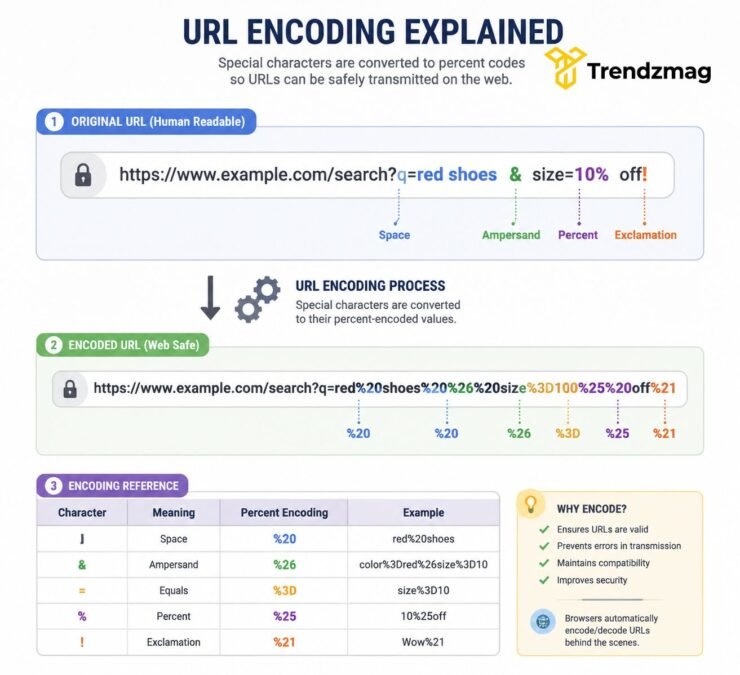
Every web address or link you click has to follow specific rules. These rules are defined in a standard called RFC 3986, which explains how URLs (Uniform Resource Locators) should be formatted so browsers and servers can understand them. In simple terms, URL encoding (also known as percent‑encoding) is the process of converting characters that are not allowed in URLs into a safe format that can travel across the internet without confusion or error.
For example, a space character is not permitted in a URL, so it is converted into %20 where % is a signal that the next two characters represent the hexadecimal code of the original character. If you see %20, %3F, %26, or similar codes in a URL, that’s percent‑encoding at work.
What a URL Encoder Spellmistake Means
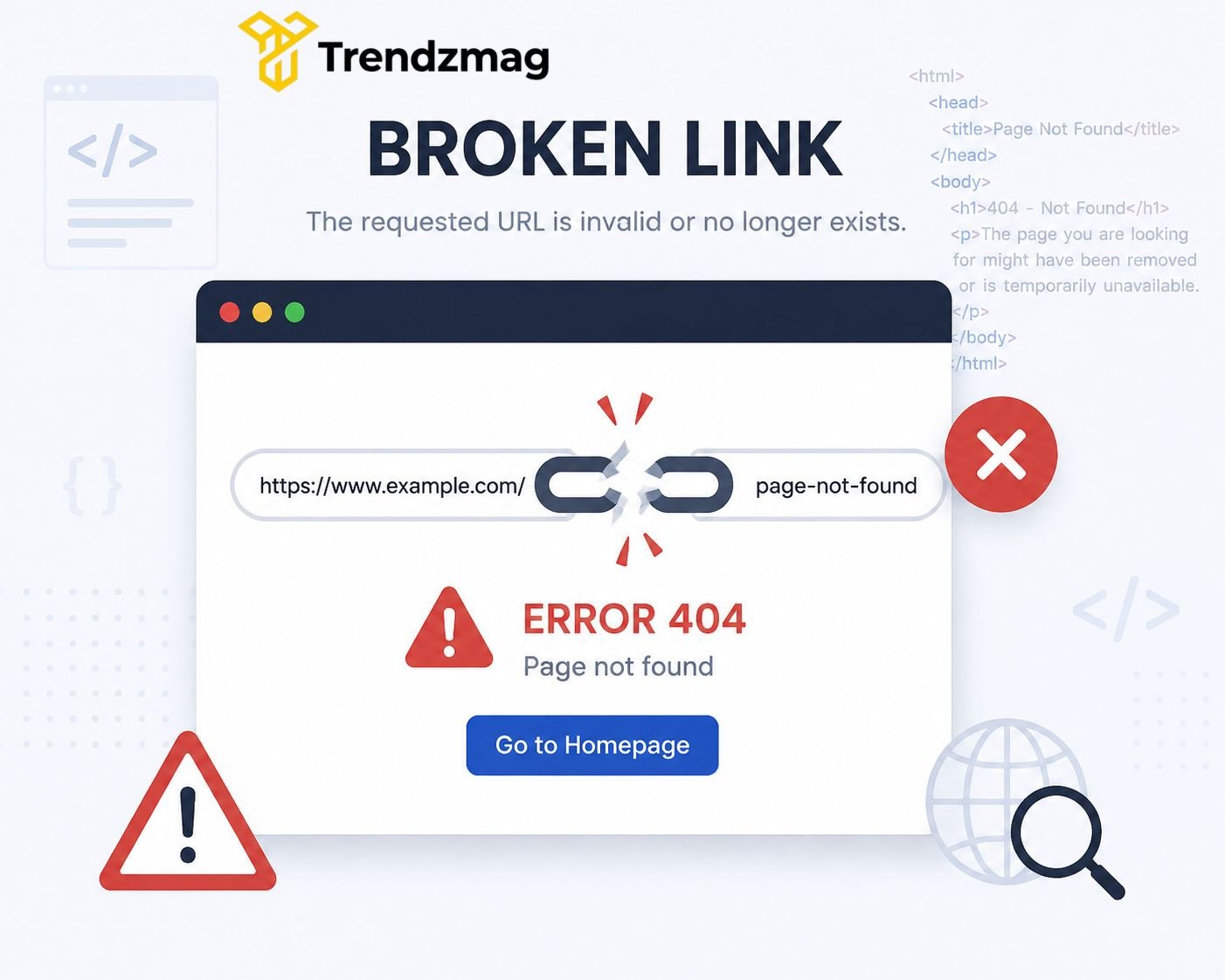
A URL encoder spellmistake is when a URL is not encoded correctly. This can happen because of human error, misunderstanding of encoding rules, or misuse of tools and functions. The result is a URL that the browser or server can’t interpret properly often leading to broken links, page errors, or incomplete navigation.
Unlike a normal spelling error in text, this kind of mistake affects the syntax of the URL itself. When a browser reads a malformed URL, it doesn’t just display a misspelling it may fail to retrieve the correct resource entirely.
How a Small Mistake Can Cause Big Problems
It’s easy to assume that a tiny slip like mistyping %2O instead of %20 won’t matter much. In reality, these small mistakes can stop the link from working altogether. A browser might interpret a malformed encoding literally as part of the path or parameter, leading to HTTP errors like 400 or 404, or even unexpected redirects.
A simple example:
If a space should be encoded as %20 but instead someone writes %2O (with the letter O instead of zero), the server cannot convert that back to a space. The result? The link no longer points to the intended location and behaves as if the entire URL is invalid.
Even seemingly tiny encoding errors can break search parameters or tracking strings like UTM tags. Marketers depend on those for analytics, but a malfunction there could mean lost campaign data.
Common Causes of URL Encoder Spellmistakes
Typing Errors
One of the most frequent sources of these mistakes is manual editing. If someone manually composes or adjusts a URL without using a proper encoding tool or library, it’s easy to slip up. Common cases include trying to encode a portion of a link by hand instead of using the right function, accidentally introducing a typo, or mishandling punctuation.
Improper Tool Usage
Many developers and content editors wrongly use tools that encode full URLs rather than just the dynamic parts (like query string values). This can cause structural characters such as :, /, ?, and & — to be encoded incorrectly, destroying the URL’s format.
At the same time, tools can introduce errors, like double encoding, where a value like %20 becomes %2520 because the percent sign itself gets encoded. This typically happens when encoded values are passed through several layers of logic that each attempt to encode without checking if the input is already encoded.
Misunderstanding Encoding Rules
Some people think all characters should always be encoded or assume that using a quick online tool once will make everything safe. In reality, only certain characters need encoding, and how you encode them depends heavily on where they occur in the URL.
Real‑World Consequences of Encoding Errors
When a URL is malformed due to a spellmistake in encoding, several negative outcomes can occur:
1. Broken Navigation:
A link that doesn’t function means users cannot find the content they expected. This interrupts the user experience and increases frustration.
2. SEO Issues:
Search engines crawl and index pages based on the links they find. If these links are broken, crawlers may fail to reach key pages on your site, which can reduce your visibility in search results.
Repeated errors across many pages also signal poor site health to search engines.
3. Loss of Analytics Data:
Tracking parameters that are malformed can break the analytics pipeline, leading to inaccurate reporting or lost campaign insight.
4. Form Submission Problems:
When users submit forms with special characters (like email addresses, hashtags, or non‑ASCII symbols), encoding errors can corrupt that data before it reaches the server. This can prevent successful user registration or input saving.
Detecting URL Encoder Spellmistakes
Manual Inspection
Carefully reviewing links, especially those with special characters or tracking parameters, can help catch many errors before they become visible to users.
Inspect each part of a URL and ensure that reserved characters are properly percent‑encoded and unreserved ones are not unnecessarily encoded. Common tools built into browsers (like the developer console) can help you preview what your encoded URLs look like.
Automated Tools
There are numerous link validation tools available that scan your website and report broken links. Running these scans regularly helps catch malformed URLs at scale. Some content management systems also support plugins that automatically check and correct malformed URLs before content goes live.
Using Encoding/Decoding Tools
Online URL encoder/decoder tools allow you to paste an encoded URL and see the decoded version. This helps you spot mistakes like unexpected %25 sequences or incomplete percent codes. Always confirm that the decoded version matches what you intended in readable form.
Fixing and Preventing URL Encoder Spellmistakes
Use Proper Encoding Functions
Most programming languages provide functions specifically for encoding parts of URLs. For example, using encodeURIComponent() in JavaScript encodes a single component such as a query value — not the entire URL — which helps you avoid structural errors. Always choose the right function for the correct context.
Encode Only Where Necessary
Understanding that not all parts of a URL require encoding keeps common mistakes from happening. For instance, encoding the protocol (https://) or domain name will break the fundamental structure of the link. Only encode the portions of the URL that represent user‑generated or dynamic data.
Avoid Double Encoding
Once a value has been encoded, don’t run it through another encoding process automatically. If your system receives input that may already be encoded (like from a URL shortener or third‑party API), check first before applying encoding again.
Why It Matters for Your Site
You might think encoding is just a technical detail that only developers need to worry about, but it touches every corner of the user experience and website performance. A spellmistake in your URLs can cause lost traffic, frustrated users, and lower rankings in search results. In short, precise URL encoding is essential to both the usability and discoverability of your content online.
FAQs
Q1: What is a URL encoder spellmistake?
A URL encoder spellmistake happens when a URL is incorrectly encoded, causing special characters or spaces to be misrepresented. This can break links or prevent pages from loading.
Q2: How can a URL encoder spellmistake affect my website?
Even a small mistake can lead to broken links, 404 errors, or tracking issues. It can frustrate users and negatively impact SEO and analytics.
Q3: What are common causes of these mistakes?
Manual typos, misuse of encoding tools, or misunderstanding encoding rules are the most frequent causes of URL encoder spellmistakes.
Q4: How do I detect a URL encoder spellmistake?
You can detect mistakes by reviewing URLs manually, using online encoder/decoder tools, or running automated link-checking software to scan your site.
Q5: How can I prevent URL encoder spellmistakes?
Use proper encoding functions, encode only where necessary, avoid double encoding, and test all links before publishing to ensure they work correctly.
Q6: Can a URL encoder spellmistake hurt SEO?
Yes. Broken or malformed links prevent search engines from crawling pages properly, which can lower rankings and reduce website visibility.
Closing Thoughts
URL encoding is one of those invisible mechanisms that keeps the web working smoothly. When done right, users never even notice it. But when mistakes happen, the consequences are highly visible — broken links, poor performance, and frustrating user journeys.
By learning what URL encoder spellmistakes look like, how they occur, and how to prevent them, you can safeguard your site against subtle errors that have outsized impact. With attention to detail and the right tools and practices, you can make sure every link works exactly as it should.