
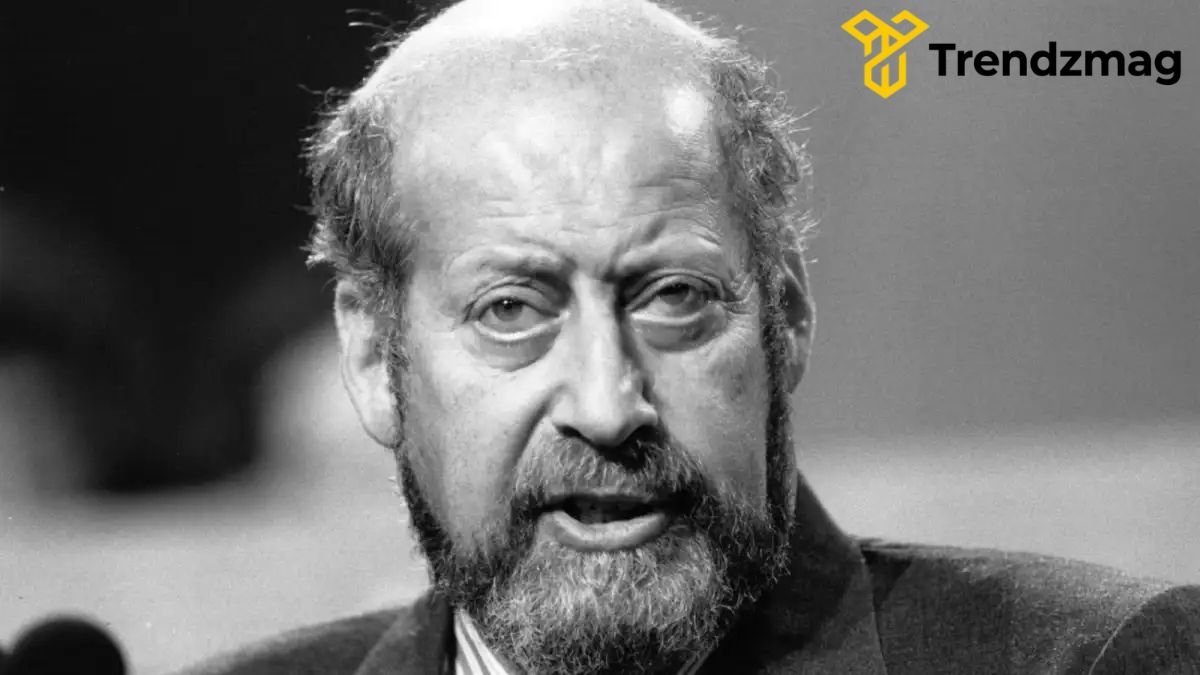
Sir Clement Raphael Freud was one of the most fascinating and complex public figures in 20th‑century British life. A natural storyteller, a witty broadcaster, and a household name on radio, television, and in print, his life was marked by remarkable achievements and deep contradictions. This article dives into his life, work, and the stories that defined him, offering a human and nuanced look at a man whose legacy continues to spark interest and debate.
BIO
| Label | Information |
|---|---|
| Full Name | Sir Clement Raphael Freud |
| Birth Date | April 24, 1924 |
| Birth Place | Berlin, Germany |
| Nationality | British |
| Family | Grandson of Sigmund Freud, brother of Lucian Freud |
| Occupation | Broadcaster, Writer, Chef, Politician |
| Known For | Radio show Just a Minute, Food Writing, Parliament |
| Political Party | Liberal Party |
| Parliamentary Service | MP for North East Cambridgeshire (1973–1987) |
| Notable Works | Children’s book Grimble, Journalism, Food Columns |
| Honors | Knighted in 1988 |
| Death | April 15, 2009 |
| Legacy | Media influence, Political service, Controversial posthumous allegations |
Early Days and Family Roots
Clement Freud was born Clemens Rafael Freud on April 24, 1924, in Berlin, into a family already steeped in extraordinary history. He was the grandson of Sigmund Freud, the founder of psychoanalysis, and his siblings included the renowned painter Lucian Freud. In the 1930s, as Nazism rose in Germany, his Jewish family fled to Britain to escape persecution. Once in London, his given name was anglicized and his life in Britain began.
Growing up in an immigrant family during turbulent times shaped Freud in subtle ways. He attended schools in England and later joined the Royal Ulster Rifles during World War II, serving in the army and later taking part in work connected to the Nuremberg trials after the war. These early experiences gave him a sense of resilience and a worldly perspective that would inform his later pursuits in media and politics. Clement Freud
From Kitchens to Columns
Freud started his working life far from the halls of Parliament. After the war, he began as a chef, training at prestigious establishments like the Dorchester Hotel and eventually running his own restaurant in London’s Sloane Square. This early career marked him as one of Britain’s first true celebrity chefs, earning public recognition for his culinary talents.
His charm, voice, and knack for storytelling soon opened doors in the media world. After running a nightclub where he met a newspaper editor, Freud was offered a role in journalism. From there, he became an award‑winning food and drink writer, contributing to major publications and earning a reputation as a sharp and entertaining commentator.
What made Freud truly stand out in British culture was his ability to blend expertise with warmth and wit. Whether writing about gastronomy or discussing society, he had a distinctive voice that resonated with readers and listeners alike.
Broadcasting Fame and Cultural Presence
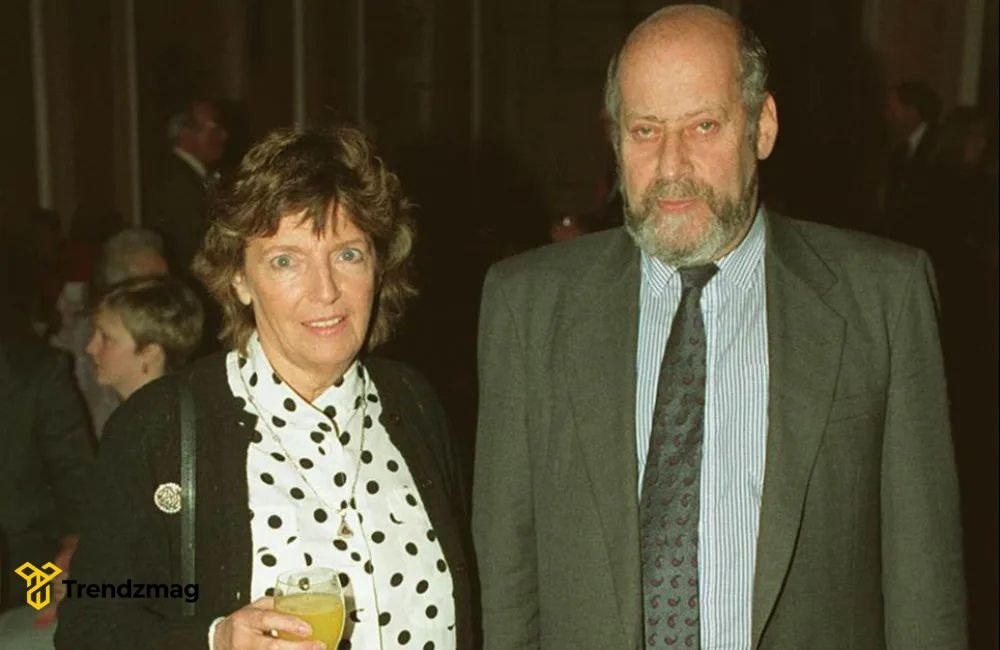
One of the roles that defined Clement Freud for many Britons was as a panellist on BBC Radio 4’s Just a Minute. On this long‑running panel show, contestants must speak for sixty seconds without hesitation, repetition, or deviation, and Freud’s dry delivery and rich vocabulary made him a consistent favourite. He appeared in every one of the show’s first 143 episodes and remained a regular contributor until his death in 2009.
His media presence was not limited to radio. Freud also appeared on television, in film, and even in memorable dog food commercials in the 1960s, where he co‑starred with a bloodhound named Henry in adverts that became part of British pop culture.
Freud’s cultural footprint also extended to literature. He authored several books, including children’s classics like Grimble and its sequel, and wrote on topics as varied as food, hangovers, and travel. Each work showcased his dry humour and keen eye for observation.
A Political Life
In 1973, at the age of 49 and already a well‑known public figure, Freud made a surprising entry into politics. He stood as the Liberal candidate in the Isle of Ely by‑election and won, becoming a Member of Parliament (MP). He went on to represent North East Cambridgeshire until 1987.
His motivation for entering politics was rooted in a genuine belief in liberal principles rather than personal ambition. In Parliament, he was known for championing issues affecting ordinary citizens and for engaging seriously with the work of representing his constituents. According to colleagues, he took his role as an MP more seriously than many expected from someone whose fame came from food and broadcasting.
Freud’s political career saw him involved in debates on freedom of information, public services, and cultural policy. His colleagues remembered him not just for his wit, but for his dedication to constituent service often calling officials directly to resolve problems on behalf of people who had written to him.
In recognition of his political and civic contributions, Freud was knighted in 1988 after stepping down from Parliament.
Life Beyond Public Office
Freud’s interests and influence extended into academia and beyond. He served as Rector of the University of Dundee and later as Rector of the University of St Andrews, where students elected him to represent their views and interests. These roles reinforced his reputation as a respected, if unconventional, public intellectual and mentor.
His personal life was equally vibrant. Freud married June Flewett (better known as Jill Freud) in 1950, and together they had five children. Their family became part of British cultural life, with children like Emma Freud becoming successful broadcasters and media figures in their own right.
Freud also pursued passions like horse racing, even famously training and racing his own horse in a wagered challenge. These stories added colour and depth to public perceptions of him as more than just a politician or broadcaster.
Controversy and Posthumous Allegations
While many remember Clement Freud for his wit and multifaceted career, his legacy is also shadowed by serious allegations that emerged after his death. In 2016, seven years after Freud died in 2009, several women came forward in an ITV documentary claiming that they had been sexually abused by him as children and teenagers. These allegations spanned incidents from the 1940s through the 1970s, including claims of grooming and assault. The Metropolitan Police reviewed the claims, which led to discussions about whether legal action would be possible given the time that had passed.
Freud’s widow, Jill Freud, issued a statement acknowledging the pain expressed by the women and expressing sadness for their experiences. These revelations have prompted a reassessment of Freud’s legacy, with many grappling with how to reconcile his public achievements with the gravity of the allegations.
It is important to note that Clement Freud was never charged or convicted of these allegations; the legal context and statute of limitations in the UK mean that historic abuse cases often cannot be prosecuted many years later. Nevertheless, the accounts have profoundly affected how some view his life and work.
Final Years and Legacy
Clement Freud died on April 15, 2009, shortly before his 85th birthday, while at home in London. His funeral was attended by friends and colleagues from across Britain’s media, political, and cultural landscape, including prominent figures such as Stephen Fry and Bono, reflecting the wide range of lives he touched.
For many, Freud remains a compelling and complex figure: a brilliant communicator, a taste‑maker in food and media, and a dedicated public servant. For others, the posthumous allegations cast a shadow that complicates how his life is remembered. His story is a reminder that public figures can be both influential and deeply flawed, a duality that challenges simple narratives.
FAQs – The Life of Clement Freud
Q1: Who was Clement Freud?
Clement Freud was a British public figure known for his work as a broadcaster, writer, chef, and Member of Parliament. He was also the grandson of Sigmund Freud and the brother of painter Lucian Freud.
Q2: What is Clement Freud famous for?
He is best known for his appearances on BBC Radio 4’s Just a Minute, his food writing, and his career as a Liberal MP. He also wrote children’s books and contributed widely to British media.
Q3: Did Clement Freud face controversies?
Yes. After his death in 2009, allegations of sexual abuse from decades earlier emerged. These claims have led to a complex reassessment of his legacy.
Q4: What were Clement Freud’s major achievements?
Freud was knighted in 1988 for his political and public service. He influenced British media, culture, and politics, and left a mark as a writer, broadcaster, and public intellectual.
Q5: When did Clement Freud pass away?
He died on April 15, 2009, shortly before turning 85, leaving behind a wide-ranging and often debated legacy.
Conclusion
Clement Freud’s life was one of surprising turns: from refugee to chef, from broadcaster to MP, and from writer to cultural commentator. His voice and presence were familiar to generations of Britons, and his work spans fields as diverse as gastronomy, radio, journalism, and politics. Yet his story also includes serious and heartbreaking allegations that emerged long after his public achievements. This dual legacy invites us to look more deeply at how we remember our public figures, recognising both their contributions and the realities behind their personas.