

Introduction
Hugh Keevins age is a topic many Scottish football fans search for because his name has been part of the football conversation for decades. He is not just another sports journalist. He is one of those media figures whose voice, opinions, and writing style have become familiar to generations of readers and listeners.
Born on November 12, 1948, Hugh Keevins is 77 years old in 2026. His age tells only part of the story. What makes him interesting is how long he has remained active, relevant, and talked about in Scottish football media.
From newspapers to radio, from match analysis to strong opinions, Keevins has built a career around experience, confidence, and a deep understanding of the Scottish game.
BIO
Here’s a simple and clean quick bio table you can use in your article:
| Full Name | Hugh Keevins |
|---|---|
| Date of Birth | November 12, 1948 |
| Age (2026) | 77 Years |
| Birthplace | Scotland |
| Nationality | Scottish |
| Profession | Football Journalist, Broadcaster |
| Career Start | 1970 |
| First Employer | The Sunday Post |
| Known For | Football Columns & Radio Analysis |
| Major Media | Daily Record, Sunday Mail |
| Radio Show | Clyde 1 Superscoreboard |
| TV Appearance | Scotsport |
| Years Active | 1970 – Present |
Hugh Keevins Age Today
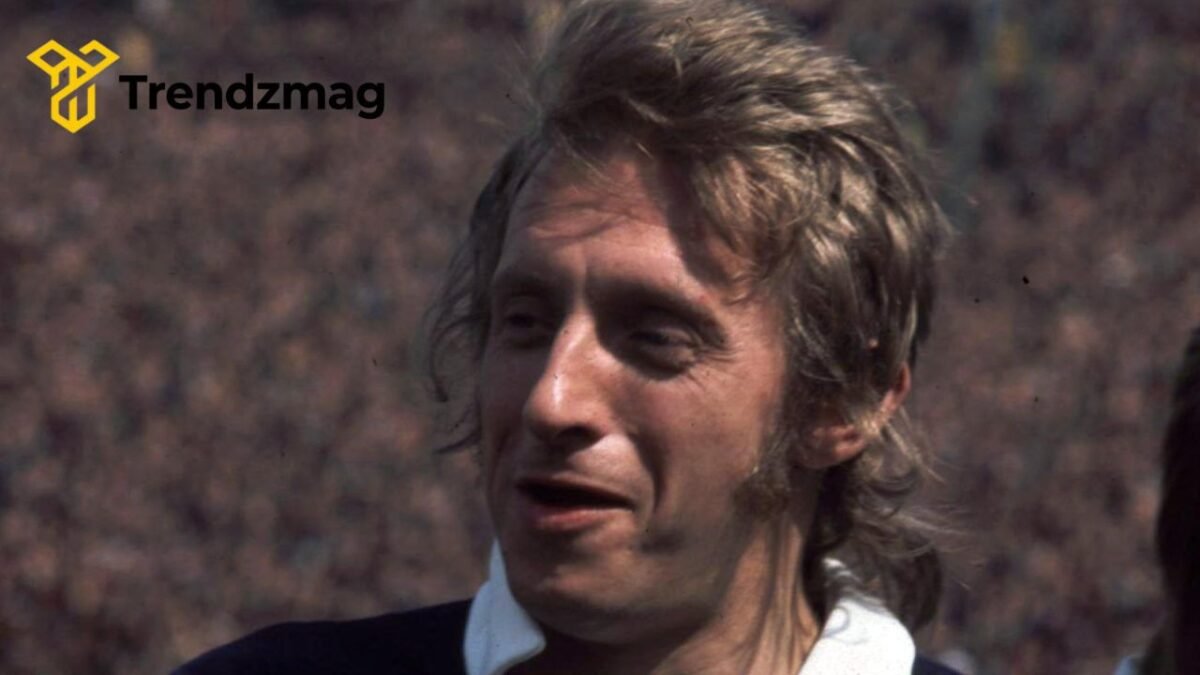
Hugh Keevins was born on November 12, 1948, which makes him 77 years old today in 2026. For a journalist and broadcaster, reaching this stage while still being discussed by fans is a sign of real staying power.
His age matters because it reflects more than a number. It represents over five decades of watching football change, clubs rise and fall, managers come and go, and supporters become more vocal through radio, television, newspapers, and social media.
In an industry where opinions can become outdated quickly, Keevins has managed to keep his place in the conversation. That is one reason people continue to search for Hugh Keevins age and career details.
Early Life
There is limited public information about Hugh Keevins’ private early life, and that suits the way he has carried himself professionally. He has always been known more for his work than for personal publicity.
What is clear is that his career began at a time when sports journalism was very different from today. There were no instant social media reactions, no live blogs, and no fan channels. A journalist had to build trust through reporting, newspaper columns, contacts, and consistency.
Keevins entered the profession when newspapers still shaped public football debate. That traditional background helped form his direct style, careful use of words, and strong sense of football history.
First Steps in Journalism
Hugh Keevins began his journalism journey with The Sunday Post in 1970. That starting point is important because it places the beginning of his career more than half a century ago.
Starting in print journalism gave Keevins a strong foundation. Newspaper work demanded discipline, accuracy, deadlines, and the ability to explain events clearly. A sportswriter had to do more than report scores. He had to capture the mood around clubs, managers, players, and supporters.
Those early years helped Keevins develop the voice that later made him one of the most recognizable names in Scottish football commentary.
Move to The Scotsman
After beginning with The Sunday Post, Keevins later moved to The Scotsman. This was another major step in his professional development.
The Scotsman gave him a wider platform and placed him among serious football writers covering the Scottish game in detail. By this stage, Keevins was not simply learning the trade. He was building authority.
Working across respected newspapers helped him gain credibility with readers. It also allowed him to cover football through different eras, from traditional club reporting to the more opinion-led sports journalism that became increasingly popular later.
Daily Record and Sunday Mail Years
One of the most important stages of Hugh Keevins’ career came through his work with the Daily Record and Sunday Mail. These publications gave him a major national audience and helped make his name familiar to Scottish football fans.
The Daily Record has long been closely connected with Scottish football coverage. For a columnist like Keevins, it was a place where strong opinions could reach thousands of readers.
His columns often focused on Celtic, Rangers, managers, boardroom decisions, title races, and the emotional pressure surrounding Scottish football. Whether readers agreed with him or not, his writing usually gave them something to react to.
That reaction became part of his success. Keevins understood that football journalism is not only about facts. It is also about feeling, tension, memory, loyalty, and disagreement.
Radio Clyde Superscoreboard
For many fans, Hugh Keevins is best known through Radio Clyde’s Superscoreboard. His role on the show made him a familiar voice in Scottish homes, cars, workplaces, and matchday routines.
Superscoreboard became a place where supporters could phone in, challenge opinions, defend their clubs, and debate football in real time. Keevins fitted that format well because he had experience, confidence, and a willingness to say what he believed.
Radio is different from print. A columnist can shape an argument carefully before publication, but live broadcasting demands quick thinking. Keevins had to respond to callers, hosts, former players, and breaking football stories without hiding behind carefully edited paragraphs.
That ability helped extend his career beyond newspapers and into everyday football conversation.
Television Work
Hugh Keevins also appeared on Scotsport, a well-known Scottish football television programme before it was cancelled. His television work added another layer to his media profile.
Television gave viewers a face to match the name and voice. It also showed that Keevins could adapt across formats. Not every newspaper journalist becomes comfortable on radio or television, but he managed to work across all three.
This adaptability is one of the reasons his career lasted so long. He did not remain limited to one platform. As football media changed, he moved with it.
A Strong Opinion Style
One of the reasons Hugh Keevins has stayed relevant is his strong opinion style. He is not usually described as a quiet or neutral football voice. His views are often firm, direct, and sometimes controversial.
That has made him both respected and criticized. Some fans value his honesty and experience. Others disagree strongly with his opinions, especially when their club is the subject of criticism.
But in football media, being ignored is worse than being challenged. Keevins has rarely been ignored. His opinions create discussion, and discussion is what keeps sports media alive.
His style works because it comes from years of watching Scottish football closely. Even when fans disagree with him, many understand that his views are rooted in long experience.
Career Timeline
Hugh Keevins’ career can be understood as a long timeline of steady growth, media adaptation, and continued visibility.
He began in 1970 with The Sunday Post, entering journalism during a traditional print era. Around a decade later, he moved to The Scotsman, where his reputation developed further.
He later became strongly associated with the Daily Record and Sunday Mail, writing about the major stories and personalities in Scottish football. His print work helped establish him as one of the familiar names in national sports journalism.
His broadcasting career then became a defining part of his public identity. Through Radio Clyde’s Superscoreboard, Keevins reached listeners directly and became part of regular football debate.
Even in recent years, his byline and voice have continued to appear in football coverage, showing that his career has not been a short chapter but a long-running presence.
Why His Career Lasted
Hugh Keevins’ career lasted because he understood Scottish football as more than a sport. In Scotland, football is tied to identity, community, family history, rivalry, and emotion.
A journalist who covers Scottish football for decades must understand that every match can feel bigger than the result. A defeat can become a crisis. A transfer can become a statement. A manager’s comment can dominate the week.
Keevins learned how to speak to that audience. He knew how to frame stories in a way that reflected the intensity of the game. That understanding helped him stay relevant through many changes in media.
Public Reaction
Few long-serving football commentators avoid criticism, and Hugh Keevins is no exception. His opinions have often sparked strong responses from supporters.
Some fans enjoy his confidence and sharp analysis. Others feel he is too critical or too provocative. This mixed reaction has followed him for years, especially because Scottish football supporters are deeply protective of their clubs.
Still, that reaction shows his influence. People do not debate voices that do not matter. The fact that fans continue to discuss him proves that Keevins remains part of the football media landscape.
Experience and Credibility
When discussing Hugh Keevins age, it is important to connect it with credibility. At 77, he has seen Scottish football across many eras.
He has watched changes in tactics, ownership, fan culture, stadium life, broadcasting, and journalism itself. He has covered football before and after the rise of digital media.
That kind of experience cannot be copied quickly. Younger journalists may bring fresh methods and modern platforms, but Keevins brings memory. He can compare today’s events with decades of history.
That long view is one of his greatest strengths.
Impact on Scottish Football Media
Hugh Keevins helped shape the style of Scottish football discussion that many fans recognize today. His career sits between old-school newspaper journalism and modern opinion-led broadcasting.
He showed that a football journalist could be more than a match reporter. He could be a columnist, broadcaster, critic, storyteller, and public personality.
His work also reflects how Scottish football media became more interactive. Through radio phone-ins, fans were no longer just readers. They became part of the debate. Keevins played a role in that change.
Still Relevant Today
Many journalists fade from public attention after a few years, but Keevins has remained visible because football keeps renewing itself. Every season brings new managers, new problems, new hopes, and new controversies.
His continued presence shows that experience still has value in a fast-moving media world. While online reactions can be instant and emotional, Keevins represents a more seasoned voice.
That does not mean everyone agrees with him. In fact, disagreement is part of his public role. But whether praised or criticized, he remains part of the conversation.
Personal Image
Hugh Keevins has always been more publicly connected to his profession than to his private life. That has helped keep attention on his journalism rather than personal matters.
His public image is built around his work: the columnist, the radio voice, the football observer, the man willing to make a strong point and stand by it.
In an age where many media personalities share large parts of their private lives online, Keevins’ profile feels more traditional. His career remains the main story.
Hugh Keevins Legacy
Hugh Keevins’ legacy is built on longevity, consistency, and influence. A career beginning in 1970 and still being discussed in 2026 is remarkable.
He has worked through the newspaper age, the radio phone-in boom, television appearances, online publishing, podcasts, and social media reaction culture.
That timeline makes him more than a journalist with a long career. It makes him a witness to the changing story of Scottish football itself.
His legacy will likely be remembered through the arguments he started, the columns he wrote, the calls he answered, and the fans who either agreed passionately or shouted back just as passionately.
Conclusion
Hugh Keevins age today is 77 years old, but his career cannot be measured by age alone. It is better understood through his long timeline of work, from The Sunday Post in 1970 to major newspaper roles, radio broadcasting, television appearances, and continued football commentary.
His success comes from persistence, strong opinions, deep knowledge, and the ability to remain relevant across generations of football fans.
Whether people admire him, challenge him, or disagree with him, Hugh Keevins has earned his place as one of the enduring voices of Scottish football journalism.
Here are well-crafted FAQs for your blog post. Each answer is short, clear, and written in a natural tone to improve SEO and readability.
Frequently Asked QuestionsWhat is Hugh Keevins age today?
Hugh Keevins is 77 years old as of 2026. He was born on November 12, 1948, and has spent decades working in Scottish football journalism.
When did Hugh Keevins start his career?
Hugh Keevins began his journalism career in 1970 with The Sunday Post. This marked the start of a long and respected journey in sports media.
What is Hugh Keevins best known for?
He is best known as a football journalist and radio broadcaster, especially for his work with the Daily Record and Radio Clyde’s Superscoreboard.
Is Hugh Keevins still active in journalism?
Yes, Hugh Keevins has remained active in football media, continuing to share his opinions and insights through columns and radio discussions.
Why is Hugh Keevins age often searched online?
Many fans are curious about his age because of his long career and continued presence in football media over several decades.
What makes Hugh Keevins influential in football media?
His influence comes from experience, strong opinions, and deep knowledge of Scottish football, built over more than 50 years in journalism.
Which platforms has Hugh Keevins worked on?
He has worked across newspapers, radio, and television, making him a well-known figure in multiple forms of sports media.