

Introduction
A garden that looks alive in every season doesn’t happen by accident. It is carefully shaped with plants that provide structure, resilience, and lasting beauty. One of the most reliable ways to achieve this is to understand how woody plants grow a garden that remains vibrant throughout the year. These plants trees, shrubs, and climbing vines form the backbone of landscapes, offering stability where seasonal flowers come and go.
Unlike short-lived plants, woody species persist above ground year after year, developing strong stems and branches that continue to grow and expand over time (Wikipedia). This simple characteristic makes them essential for anyone looking to create a garden that thrives not just for one season, but for many years.
BIO
| Topic | Woody Plants Grow a Garden |
|---|---|
| Type | Trees, shrubs, woody vines |
| Lifespan | Long-lasting, perennial |
| Growth Habit | Strong stems, steady growth |
| Best Seasons | Spring and autumn planting |
| Year-Round Value | Structure, color, shade |
| Maintenance Level | Low to moderate |
| Water Needs | Moderate, less when mature |
| Soil Benefit | Improves fertility and stability |
| Garden Use | Borders, focal points, layering |
| Space Suitability | Small to large gardens |
| Key Advantage | Long-term beauty and resilience |
| Beginner Friendly | Yes, with proper plant choice |
What Are Woody Plants and Why They Matter
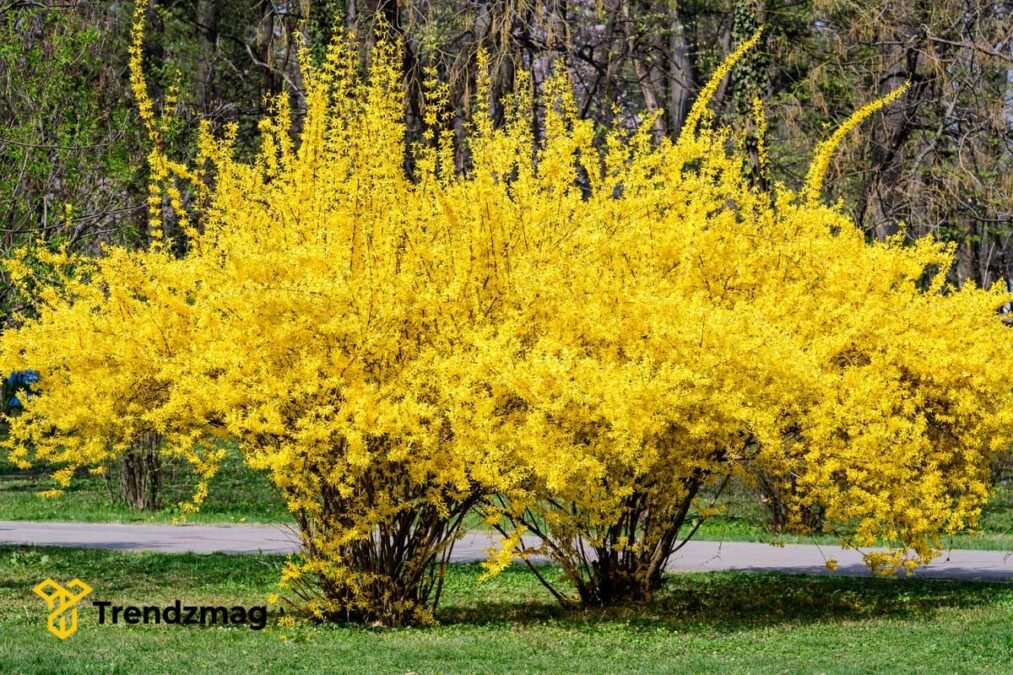
Woody plants are defined by their hard stems and the presence of wood as structural tissue. They include trees, shrubs, and lianas, all of which are perennial and capable of long-term growth. While herbaceous plants die back during unfavorable seasons, woody plants remain standing, even when dormant
This persistence is what gives gardens their sense of permanence. A well-placed tree or shrub doesn’t just fill space it shapes the entire environment. These plants divide areas, create natural boundaries, and provide a sense of organization in outdoor spaces
More importantly, woody plants contribute to the health of the environment around them. They improve air quality, regulate temperature, and reduce noise and pollution by trapping particles in their leaves . When you begin to see your garden as a living system rather than just a collection of plants, their importance becomes even clearer.
How Woody Plants Grow a Garden That Thrives Year-Round
A thriving garden isn’t defined by constant blooms it’s defined by balance, structure, and seasonal continuity. This is where woody plants truly shine.
Through every season, these plants offer something unique. In spring, many trees and shrubs burst into flower, signaling renewal. During summer, their dense foliage provides shade and cooling effects, helping to regulate the microclimate of the garden . As autumn arrives, deciduous varieties transform into rich shades of gold, red, and orange, while evergreens maintain their color through winter, offering visual stability when other plants fade.
This seasonal layering ensures that your garden never feels empty. Even in the coldest months, the branching patterns of trees and shrubs add texture and depth, creating a quiet but powerful beauty.
Beyond aesthetics, woody plants also strengthen the garden from below the surface. Their extensive root systems improve water infiltration, stabilize soil, and prevent erosion . Over time, fallen leaves decompose into organic matter, enriching the soil and supporting microbial life. This natural cycle enhances soil fertility and keeps the ecosystem balanced
Another reason woody plants grow a garden so effectively is their ability to support biodiversity. They provide shelter, nesting areas, and food sources for birds, insects, and beneficial organisms, helping maintain ecological stability. A garden filled with life is often a garden that thrives.
Choosing the Right Woody Plants for Your Garden
Not all woody plants will perform equally in every setting. Choosing the right ones is essential for long-term success.
The first consideration is climate. Plants adapted to local conditions are more resilient and require less maintenance. Native species, in particular, tend to integrate more naturally into the environment and support local wildlife.
Next comes the decision between evergreen and deciduous plants. Evergreens provide consistent greenery throughout the year, making them ideal for maintaining visual interest in winter. Deciduous plants, on the other hand, offer dramatic seasonal changes, from fresh spring growth to colorful autumn displays. A thoughtful combination of both creates a balanced garden.
Size and growth habit are equally important. Some trees grow tall and wide, while shrubs may spread horizontally or remain compact. Planning for mature size helps prevent overcrowding and ensures each plant has enough space to develop fully.
A well-chosen woody plant doesn’t just survive it becomes a lasting feature that enhances the entire garden.
Designing a Year-Round Garden with Woody Plants
Design plays a crucial role in how effectively woody plants grow a garden. It’s not just about planting individual species it’s about creating layers and relationships between them.
A successful garden often follows a natural structure: taller trees form the canopy, medium-sized shrubs fill the middle layer, and smaller plants or ground covers complete the lower level. This layering creates depth and mimics natural ecosystems, making the garden feel more cohesive.
Texture and color also matter. The contrast between smooth leaves and rough bark, or between light and dark foliage, adds visual interest. Even in winter, bark patterns and branch shapes can become focal points.
Strategic placement of standout plants can guide the eye and create focal areas. A flowering tree near an entrance or a well-shaped shrub in the center of a garden can anchor the design and give it a sense of purpose.
When thoughtfully arranged, woody plants don’t just fill space they shape the entire experience of being in the garden.
Planting and Caring for Woody Plants
The success of woody plants depends largely on how they are planted and maintained. Proper planting ensures strong root development, which is the foundation of long-term growth.
The best time to plant is usually during cooler seasons, when the plant is not actively growing. This allows roots to establish before the stress of heat or drought. Soil preparation is equally important. Well-drained, nutrient-rich soil supports healthy development and reduces the risk of disease.
Watering should be consistent during the early stages, but overwatering must be avoided. As plants mature, they typically require less frequent watering due to their established root systems.
Pruning is another essential practice. It helps maintain shape, remove damaged branches, and encourage healthy growth. Done correctly, pruning enhances both the appearance and longevity of the plant.
Caring for woody plants is less about constant attention and more about providing the right conditions for steady, natural growth.
Common Mistakes to Avoid
Even with the best intentions, certain mistakes can limit the success of woody plants in a garden.
One of the most common errors is failing to plan for the plant’s mature size. A tree that seems small at planting can quickly outgrow its space, leading to overcrowding and competition for resources.
Poor drainage is another issue. Woody plants rely on healthy root systems, and waterlogged soil can lead to root rot and decline.
Neglecting pruning can result in weak or unbalanced growth, while choosing unsuitable species for the climate often leads to unnecessary maintenance and disappointment.
Avoiding these mistakes ensures that your garden develops smoothly over time, rather than requiring constant correction.
Best Woody Plants for Year-Round Gardens
Some woody plants are particularly well-suited for creating a garden that thrives in all seasons.
Evergreens such as pines and hollies provide consistent greenery and structure, especially during winter months. Flowering shrubs like hydrangeas or lilacs bring seasonal bursts of color, while trees such as maples offer stunning autumn displays.
For beginners, low-maintenance shrubs are an excellent starting point. These plants require minimal care while still delivering strong visual impact and environmental benefits.
The key is to choose a mix of plants that complement each other, ensuring that something is always contributing to the garden’s overall appearance.
Pro Tips to Maximize Year-Round Growth
Creating a thriving garden with woody plants involves more than just planting it requires thoughtful strategies that enhance natural processes.
Mulching is one of the simplest yet most effective techniques. It helps retain soil moisture, regulate temperature, and suppress weeds, all of which support plant health.
Companion planting can also be beneficial. Combining woody plants with complementary species encourages biodiversity and creates a more resilient ecosystem.
Encouraging wildlife is another powerful approach. Birds and beneficial insects play a role in pollination and pest control, contributing to the overall balance of the garden.
These small, intentional actions can significantly improve the long-term success of your garden.
Conclusion
Understanding how woody plants grow a garden that thrives year-round changes the way you approach gardening. Instead of focusing only on short-term beauty, you begin to build a living structure that evolves and strengthens over time.
From improving soil health and supporting biodiversity to providing year-round visual interest, woody plants offer benefits that go far beyond appearance. Their resilience, longevity, and ecological value make them the foundation of any successful garden.
By choosing the right plants, designing thoughtfully, and caring for them properly, you can create a garden that not only survives every season but truly thrives in each one.
Here are concise, unique FAQs for your blog post, written in a natural and helpful tone:
FAQs
What are woody plants in gardening?
Woody plants are trees, shrubs, and vines that have hard stems and live for many years. Unlike soft-stem plants, they keep growing each season and form the structure of a garden.
How do woody plants grow a garden year-round?
Woody plants grow a garden year-round by providing seasonal interest, strong structure, and continuous greenery. They offer blooms in spring, shade in summer, color in autumn, and form in winter.
Are woody plants low maintenance?
Yes, most woody plants are relatively low maintenance once established. They require occasional watering, pruning, and basic care, making them ideal for long-term gardening.
Can woody plants grow in small gardens?
Woody plants can grow well in small gardens if you choose compact or slow-growing varieties. Proper spacing and pruning help manage their size effectively.
What is the best time to plant woody plants?
The best time to plant woody plants is during cooler seasons like early spring or autumn. This allows roots to establish before extreme heat or cold conditions.
Do woody plants improve soil health?
Yes, woody plants improve soil health by adding organic matter through fallen leaves and supporting beneficial microorganisms. Their roots also help with soil stability and moisture retention.
What are examples of woody plants for beginners?
Beginner-friendly woody plants include small shrubs, flowering bushes, and hardy trees that require minimal care. These plants are easy to grow and adapt well to different conditions.
If you’d like, I can also create schema-ready FAQ markup to help your blog rank better in Google search results.